
How AI-Powered DX Platforms are Saving Museums for Gen Z
AI-Powered Digital Experience Platforms are Saving Museums for Gen Z

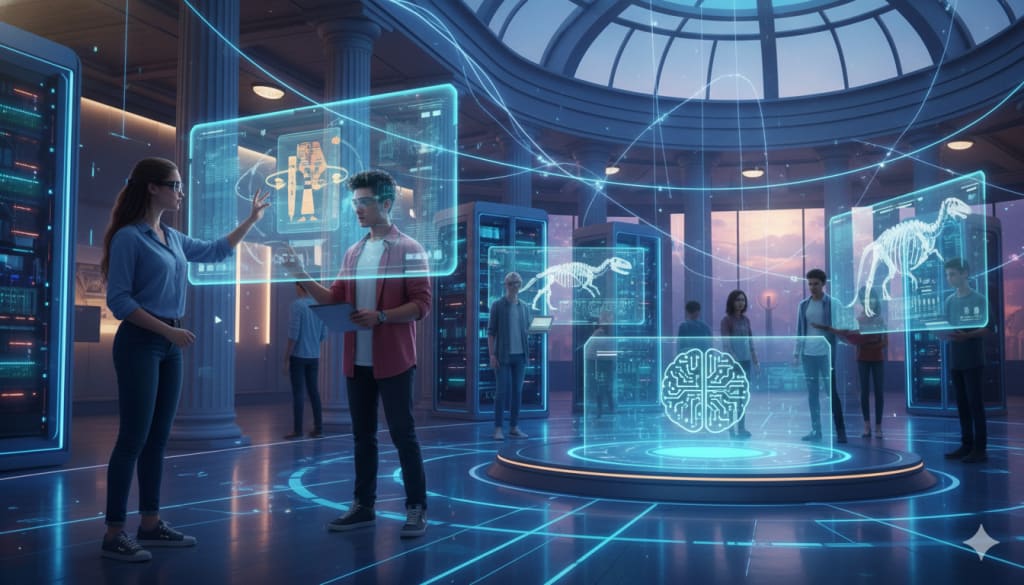
Museums face a significant challenge in maintaining relevance with Generation Z. This demographic grew up with instant access to information and highly personalized digital interfaces. Traditional museum displays often rely on static text and linear paths. These methods do not align with the expectations of digital natives.
Artificial Intelligence-powered Digital Experience (DX) platforms provide a solution to this problem. These platforms transform museums from passive repositories into interactive environments.
The Shift to Personalized Visitor Journeys
Gen Z visitors prefer content that responds to their specific interests. Standard audio guides and fixed wall labels provide the same information to every visitor regardless of their background. AI recommendation engines change this dynamic. These systems ingest behavior signals such as movement pace, dwell time, and previous interactions.
When a visitor enters a gallery, the DX platform analyzes their profile. It then suggests a route that prioritizes exhibits the visitor is likely to enjoy. This process creates a personalized journey.
For example, a student interested in 19th-century textiles receives different recommendations than a visitor interested in industrial machinery. This level of customization mirrors the algorithms found on social media and streaming services.
ViitorCloud details how these AI-powered digital experience platforms for museums ingest behavior signals to enable personalization. This technology ensures that the museum experience feels like a knowledgeable companion rather than a rigid script.
Immersive Storytelling through AR and VR
Immersive technology bridges the gap between physical artifacts and digital engagement. Augmented Reality (AR) and Virtual Reality (VR) allow visitors to see historical contexts that are no longer physically present.
AR applications overlay digital data onto physical objects. A visitor can point a smartphone at a damaged Roman statue and see a 3D reconstruction of its original form. VR experiences transport visitors to different time periods or geographical locations. These tools provide a sensory experience that static displays cannot replicate.
Social shareability is a key factor for Gen Z engagement. DX platforms often include features that allow visitors to capture and share their interactive experiences on social media.
This turns visitors into advocates for the institution. By providing "Instagrammable" moments powered by high-tech interactions, museums increase their visibility among younger demographics. ViitorCloud offers extensive digital experience consulting to help institutions integrate these immersive technologies effectively.
Enhance Accessibility and Inclusion
AI also improves museum accessibility. Digital platforms provide real-time translations for international visitors. They also offer descriptive audio and simplified text for individuals with different cognitive or physical needs.
Machine learning algorithms can automatically generate captions for audio-visual content. They can also adjust the complexity of educational materials based on the visitor's age or expertise level. This ensures that the museum is inclusive for all members of the Gen Z community, which values social equity and accessibility.
UNESCO emphasizes that Artificial Intelligence is a partner in education, helping museums speak to new generations in new languages. This global dialogue highlights how technology assists in both the preservation and the accessibility of cultural heritage.
Streamline Operations with Data Analytics
Effective digital transformation requires efficient backend operations. A modern museum booking system serves as the first touchpoint in the digital journey. It simplifies timed entry and manages group bookings to prevent overcrowding.
Behind the scenes, DX platforms collect data on visitor flow. Heatmaps show which galleries are most popular and where bottlenecks occur. Museum staff use this data to optimize signage, staffing, and exhibit placement. AI models predict peak visitation times, allowing for better resource management.
Predictive analytics also help curators. By understanding which artifacts generate the most engagement, curators can make data-driven decisions about future acquisitions and exhibition themes. This shift from anecdotal evidence to hard data ensures that the museum’s offerings remain aligned with audience interests.
The Future of the "Phygital" Museum
The combination of physical and digital experiences, often called "phygital," is the new standard for cultural institutions. AI-powered DX platforms do not replace physical artifacts. Instead, they enhance the visitor's ability to connect with those artifacts.
For Gen Z, the digital layer is not an optional add-on. It is a fundamental part of how they consume information and experience the world. Museums that adopt these platforms create a flywheel of insights. Each interaction informs the next recommendation, turning a one-time visit into an ongoing relationship.
The integration of AI into the museum sector is a necessary evolution. It allows institutions to preserve history while utilizing the tools of the future. This approach ensures that cultural heritage remains accessible, engaging, and relevant for the next generation of visitors.
About the Creator
ViitorCloud Technologies
Take your dream to great heights with Vittor Cloud's best AR/VR, Ai developers and turn into a reality with our expert developers. We function in US and all around the Globe. Checkout what's stored with us- http://viitorcloud.com/
Keep reading
More stories from ViitorCloud Technologies and writers in 01 and other communities.
How Small Businesses are Actually Using Custom AI to Save Time
For a long time, the narrative surrounding artificial intelligence was that it belonged exclusively to the giants of Silicon Valley. Small and medium-sized businesses (SMBs) often viewed these technologies as too expensive, too complex, or simply unnecessary for their scale. However, the landscape has shifted. We have moved from the era of "experimentation" into an era of "practical implementation."
By ViitorCloud Technologies7 days ago in 01
What Is a Cerakote AR15 Buffer Tube and Why Does It Matter?
A Cerakote AR15 buffer tube is a standard AR-15 buffer tube finished with Cerakote, a durable ceramic-based coating. This component houses the buffer and recoil spring, playing a critical role in managing the rifle’s cycling and reducing felt recoil. The Cerakote layer adds exceptional protection against corrosion, abrasion, and environmental wear while enabling custom color options.
By Ar15handguard6 days ago in 01
Founder’s Guide to Web Design: What to Control (and What to Delegate)
Most founders don’t set out to manage websites. Yet sooner or later, many of them find themselves approving layouts, rewriting homepage copy, or wondering why a “small change” has taken weeks. This usually happens when the website stops being a simple marketing artifact and turns into real business infrastructure. For companies operating in complex markets, especially those relying on B2B web design strategy, the website is no longer decoration. It is a system that shapes growth, perception, and revenue.
By Valeriia Shulga5 days ago in 01



Comments
There are no comments for this story
Be the first to respond and start the conversation.