
How AI Is Transforming the Future of Business Operations
AI Is Transforming the Future of Business

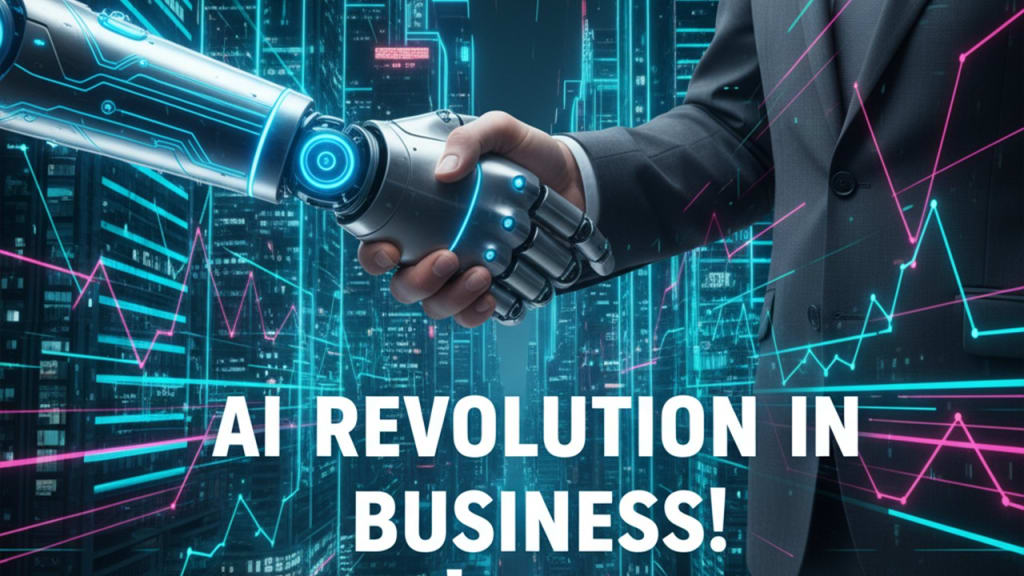
Artificial Intelligence (AI) is no longer a futuristic concept — it’s a reality reshaping how businesses operate across the globe. From automating repetitive tasks to providing data-driven insights, AI is helping companies work smarter, faster, and more efficiently. In this guide, we’ll explore how AI is transforming business operations, its benefits, challenges, and how companies can prepare for this AI-driven future.
Introduction
What Is Artificial Intelligence (AI)?
AI refers to computer systems or software that can perform tasks usually requiring human intelligence. This includes learning, problem-solving, recognizing patterns, and decision-making.
Why AI Is Becoming Essential in Modern Business
Businesses are collecting more data than ever before. AI allows them to analyze this data quickly, automate routine work, and improve customer interactions. Companies that embrace AI gain a competitive advantage, while those that don’t risk falling behind.
The Role of AI in Business Operations
Automation of Routine Tasks
AI can take over repetitive, time-consuming tasks such as data entry, invoice processing, or scheduling. This frees employees to focus on higher-value work.
AI in Decision-Making and Analytics
AI tools can analyze vast amounts of data in seconds, providing insights that help managers make faster and smarter decisions. Predictive analytics can forecast trends, customer behavior, and market demands.
Enhancing Customer Service with AI
AI-powered chatbots and virtual assistants are available 24/7, answering customer queries instantly and improving the overall experience.
AI Applications Across Different Business Functions
Marketing
- Personalization: AI analyzes customer behavior to recommend products or services.
- Predictive Analytics: Helps marketers forecast trends and customer needs.
- Chatbots: Handle customer inquiries automatically, saving time and resources.
Finance
- Fraud Detection: AI identifies unusual transactions instantly.
- Accounting Automation: Reduces manual bookkeeping errors.
- Forecasting: AI predicts cash flow, revenue, and investment outcomes.
Human Resources
- Recruitment: AI scans resumes and shortlists candidates.
- Employee Engagement: AI tools track satisfaction and performance.
- Training: Personalized learning programs based on employee needs.
Supply Chain & Logistics
- Inventory Management: AI predicts stock levels and prevents shortages.
- Demand Forecasting: Ensures products are available when needed.
- Route Optimization: AI calculates the fastest delivery paths.
Benefits of Implementing AI in Business
- Increased Efficiency and Productivity: AI handles repetitive tasks quickly and accurately.
- Cost Reduction: Automation reduces labor costs and operational errors.
- Better Customer Experience: AI helps businesses provide personalized and timely support.
- Data-Driven Insights: AI helps managers make smarter decisions based on accurate analysis.
Challenges and Risks of AI in Business Operations
- Data Privacy and Security Concerns: AI relies on data, which must be handled responsibly.
- High Implementation Costs: Small businesses may find AI systems expensive.
- Need for Skilled Workforce: Employees must learn to work alongside AI tools.
- Over-reliance on Automation: Some decisions still require human judgment.
Real-World Examples of AI Transforming Businesses
- Amazon: Uses AI for product recommendations, warehouse automation, and supply chain optimization.
- Netflix: AI predicts what content users will like and recommends shows accordingly.
- Banking Industry: Banks use AI for fraud detection, customer support, and credit scoring.
These examples show how AI helps companies save time, reduce costs, and improve customer satisfaction.
Future Trends in AI for Business
- AI-Powered Decision Support Systems: AI will assist executives in making faster, data-backed decisions.
- Predictive and Prescriptive Analytics: Businesses will not only forecast outcomes but also receive recommendations on actions to take.
- AI in Remote Work: AI tools will help manage virtual teams, track productivity, and optimize collaboration.
- Integration with IoT: AI will analyze data from connected devices for smarter business operations.
How Businesses Can Prepare for AI Adoption
- Identify Processes That Can Be Automated: Start with repetitive tasks that consume time.
- Employee Training and Upskilling: Teach staff how to use AI tools effectively.
- Choose the Right AI Tools and Platforms: Pick solutions that fit your business size, goals, and budget.
- Start Small and Scale Gradually: Pilot programs first, then expand across departments.
Ethical Considerations and Governance
- Responsible AI Use: Avoid bias in AI decisions and ensure fairness.
- Regulatory Compliance: Follow privacy laws and regulations.
- Balancing Automation with Human Oversight: Critical decisions should still involve human judgment.
Conclusion
AI is revolutionizing business operations by improving efficiency, decision-making, and customer experiences. While adoption comes with challenges — such as cost, skills, and ethical considerations — companies that embrace AI early are more likely to succeed in the competitive, data-driven marketplace.
Businesses that carefully plan their AI strategy, train their workforce, and integrate AI ethically will be well-prepared for the future.
About the Creator
Muhammad Irfan Afzal
I write clear, practical, engaging articles on technology, online safety, and modern digital life. My goal is to help readers understand complex. My aim to provide value, awareness, and real-world solutions for everyday digital challenges.
Keep reading
More stories from Muhammad Irfan Afzal and writers in 01 and other communities.
Trade Finance on the Blockchain: How Tokenization Is Reshaping Global Commerce
Blockchain technology is gradually moving beyond speculative trading and decentralized finance into real-world economic infrastructure. One of the most promising areas where this shift is taking place is trade finance, a sector responsible for facilitating trillions of dollars in global commerce every year.
By Muhammad Irfan Afzala day ago in 01
The Role of AI and Automation in Legacy Modernization
In today’s rapidly evolving digital landscape, enterprises cannot afford to operate on outdated technologies. Legacy systems, once the backbone of enterprise IT—are now a major obstacle to growth, innovation, and scalability. The rise of Digital Transformation Service offerings has shifted attention toward more agile, efficient, and intelligent software ecosystems.
By keith laurance4 days ago in 01



Comments
There are no comments for this story
Be the first to respond and start the conversation.