
How AI is Solving the Last-Mile Delivery Crisis
Discover how AI delivery optimization is transforming last-mile logistics—cutting costs, reducing delays, and improving customer experience.
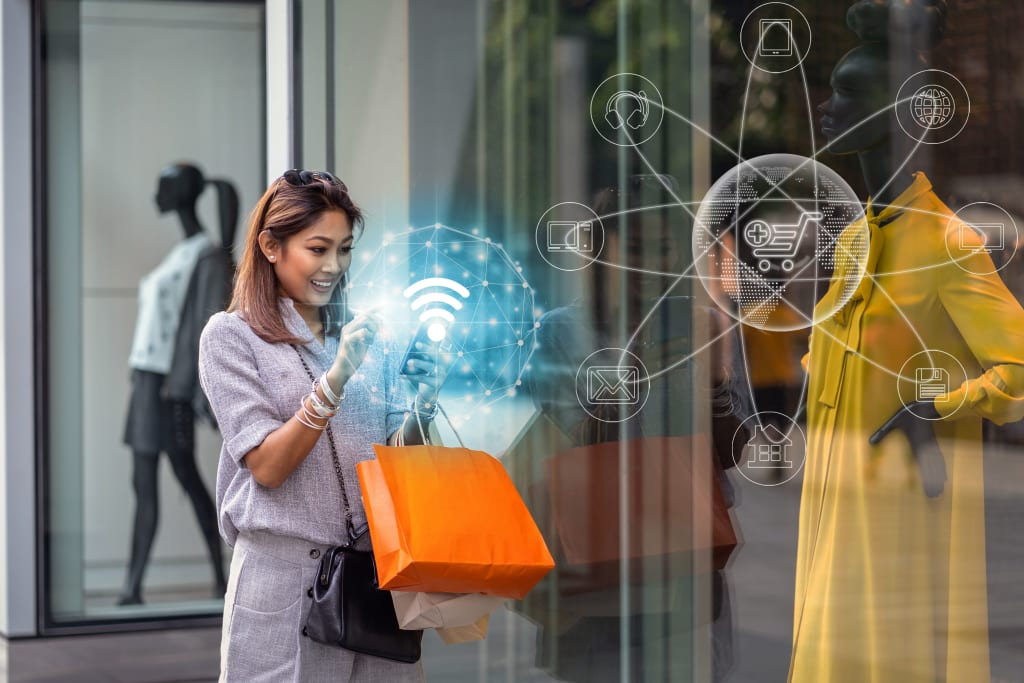
The last-mile delivery crisis—marked by rising costs, delivery delays, and soaring customer expectations—has become a defining challenge for U.S. retailers and logistics providers. In 2025, AI delivery optimization is emerging as the game-changer, transforming how companies manage high-volume, complex deliveries with speed, precision, and sustainability.
This shift is not just about keeping up with the competition—it’s about revolutionizing logistics from the ground up. With growing ecommerce volumes and tighter delivery timelines, AI has become essential in optimizing the final stretch of product journeys.
Real-Time Route Optimization: Faster, Smarter Deliveries
Smarter Navigation with Live Data
AI-powered route optimization software analyzes live traffic, weather, vehicle status, and delivery priorities in real time. Unlike static manual planning, these systems instantly adjust routes to avoid traffic jams, road closures, or last-minute order changes, ensuring on-time deliveries even under unpredictable conditions.
Example: Companies using AI-driven fleet management report consistently faster deliveries and improved on-time rates, directly boosting customer satisfaction.
Industry Impact
The global route optimization software market is projected to double from $8.02 billion in 2025 to $15.92 billion by 2030, reflecting surging demand for these solutions.
Moreover, retailers are increasingly investing in hybrid AI models that merge real-time sensor data with predictive analytics, enabling even more refined delivery decisions in the field.
Cost Savings and Operational Efficiency
Cutting Fuel and Labor Costs
Last-mile delivery accounts for up to 41% of total logistics costs. AI delivery optimization slashes unnecessary mileage, reduces idle time, and streamlines fleet utilization, leading to major savings on fuel, labor, and vehicle maintenance.
Case Study: Companies leveraging AI-powered route planning have reported operational cost reductions, with some logistics providers saving millions annually by minimizing fuel consumption and overtime.
Multi-Objective Optimization
AI can balance multiple goals—like minimizing distance, reducing emissions, and meeting tight delivery windows—without sacrificing profitability.
"AI doesn't just optimize for speed; it aligns logistics with cost and sustainability goals in real time." — Senior Analyst, AI Logistics Research Group
Lower Overhead, Better Planning
AI systems reduce planning time significantly, automating decisions that previously required hours or even days. This allows logistics teams to focus on strategic growth rather than day-to-day problem-solving.
Enhanced Customer Experience and Transparency
Real-Time Tracking and Notifications
Modern consumers expect minute-by-minute tracking and precise delivery windows. AI delivery optimization enables real-time customer notifications, accurate ETAs, and live tracking portals, reducing “Where’s my order?” calls and building trust.
Statistic: 82% of supply chain agents say customers are more demanding than ever, making transparency and reliability essential for brand loyalty.
Personalized Delivery Experiences
AI enables brands to offer customizable delivery preferences—from preferred time windows to secure drop-off locations—enhancing convenience for every type of shopper.
Sustainability: Lowering the Carbon Footprint
Greener Logistics Through AI
AI-driven route planning reduces unnecessary travel and idle time, directly cutting CO₂ emissions across fleets. As sustainability becomes a core business goal, these eco-friendly logistics solutions help companies meet ESG targets and appeal to environmentally conscious consumers.
"AI-enabled logistics helps us meet carbon reduction targets without compromising speed or service." — Head of Sustainability, Logistics Enterprise
Compliance and Corporate Responsibility
Brands are under growing pressure to meet environmental standards. AI solutions make it easier to calculate, track, and report sustainability metrics for compliance and CSR initiatives.
Scalability and Flexibility for High-Volume Deliveries
Adapting to Demand Surges
AI delivery optimization systems scale effortlessly, whether managing a handful of vans or thousands of vehicles. They adapt instantly to demand spikes—such as holiday surges or flash sales—without the usual planning headaches.
Example: Nike’s AI-driven distribution system automatically allocates resources across 500+ facilities, adjusting plans for 120,000+ SKUs daily and reducing lead times by 50%.
"The agility AI offers in adapting to fluctuating demand is game-changing for retail logistics." — Global Supply Chain Expert
Dynamic Delivery Models
As same-day and even one-hour deliveries become mainstream, AI supports dynamic fulfillment strategies—like micro-warehousing and gig-based delivery networks—that respond in real time to changing demand.
Real-World Results: AI in Action
Microsoft
Their AI logistics platform reduced planning time from 4 days to 30 minutes and improved accuracy by 24%.
Target
AI supply chain monitoring cut out-of-stock incidents by 40% and reduced disruption response times from days to hours.
DB Schenker
AI-powered control towers reroute 13 million shipments daily, cutting delay incidents by 35% and saving tens of millions annually.
"AI made it possible to handle over 13 million shipments daily with far fewer disruptions." — Director of Operations, DB Schenker
These examples illustrate how AI is solving last-mile delivery issues at scale, delivering both economic and operational benefits.
Glance AI: Intelligent Shopping Meets Intelligent Logistics
While AI transforms delivery, it’s also reshaping how shopping begins. Platforms like Glance AI are pioneering the shift from transactional ecommerce to inspiration-led experiences—generating outfits and product recommendations based on lifestyle, not search terms. It’s a new era of AI-driven commerce that begins with imagination and ends with fast, intelligent delivery powered by the same kind of optimization.
Explore Glance AI and see the future of personalized commerce.
Conclusion
AI delivery optimization is not just a technological upgrade—it’s a strategic necessity for retailers and logistics providers facing the last-mile delivery crisis. By enabling real-time route adjustments, slashing costs, boosting sustainability, and delivering the transparency customers demand, AI is redefining what’s possible in modern logistics.
As ecommerce volumes soar and expectations rise, the winners will be those who harness AI to make last-mile delivery faster, greener, and more customer-centric than ever before.
Retailers who integrate these solutions today are not just surviving the logistics crunch—they’re setting the standard for the next era of intelligent, adaptive, and responsive delivery.
About the Creator
Nicole Wills
I ma digital marketer
Keep reading
More stories from Nicole Wills and writers in 01 and other communities.
AI Fashion Recommendations: The Science Behind Perfect Suggestions
AI fashion recommendations are reshaping how Americans discover their next favorite outfits—personalized, intelligent, and perfectly timed. These systems go beyond just recommending popular items; they understand you. Whether you’re scrolling during a lunch break or prepping for a weekend getaway, these digital stylists are ready with suggestions that match your style, body type, and even the forecast.
By Nicole Wills9 months ago in 01
Telemedicine App Development Cost: 2026 Pricing Guide
Building a telemedicine app in 2026 feels like a high-stakes poker game. I have seen founders dump 200k into a platform only to realize their video lag is terrible. It is a tough pill to swallow when users start deleting your hard work.
By Sherry Walker4 days ago in 01


Comments
There are no comments for this story
Be the first to respond and start the conversation.