
How Accurate Are Sleep Trackers?
Understanding the Data and Limitations

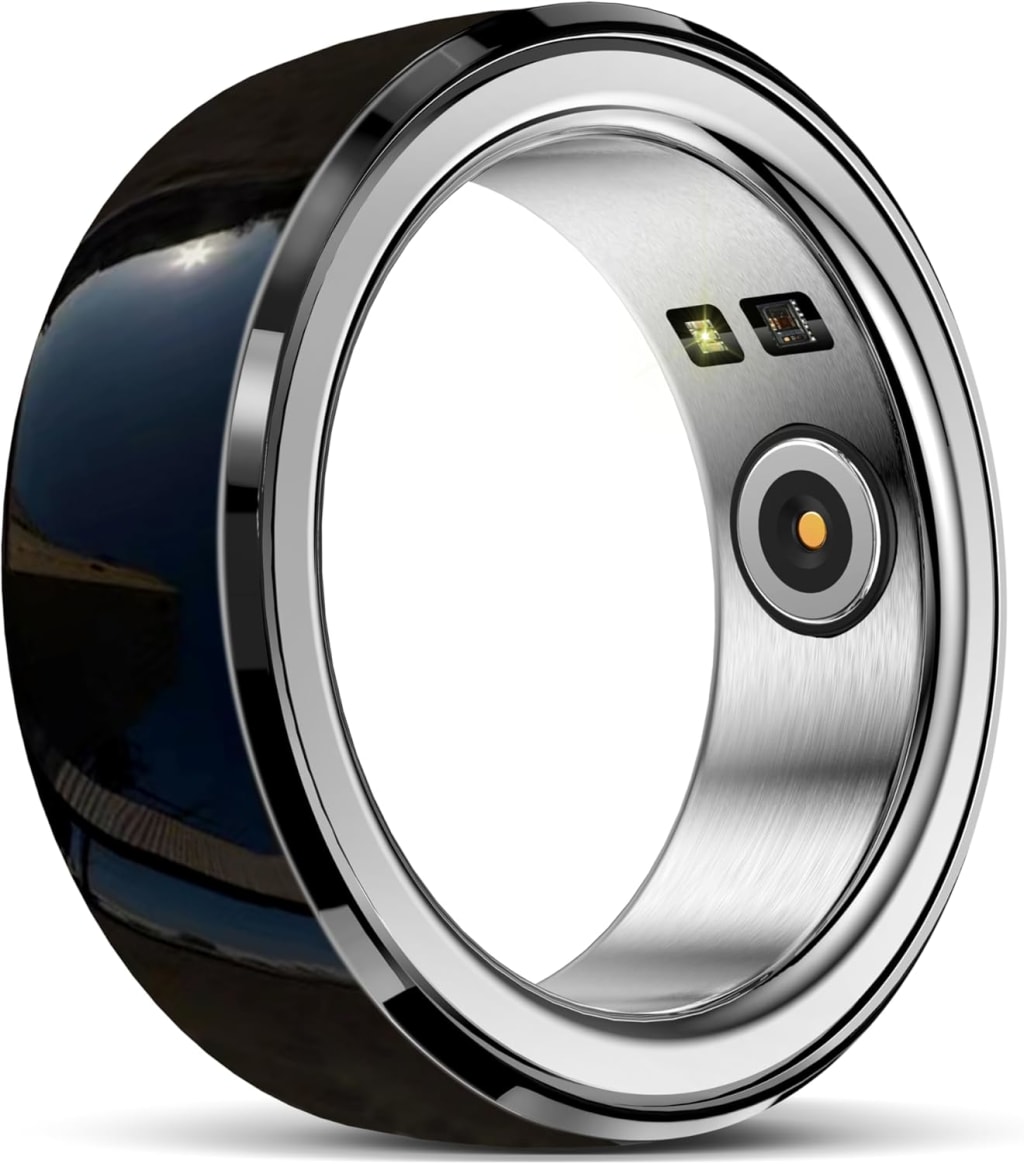
Sleep trackers have become increasingly popular as people seek to optimize their sleep for better health and well-being. These devices, often worn on the wrist or integrated into smartwatches and fitness bands, promise to provide insights into sleep patterns, including sleep stages, heart rate, and overall sleep quality. But how accurate are these devices? Can they truly give us a reliable picture of our sleep, or are there significant limitations we need to be aware of?
The Technology Behind Sleep Trackers
Sleep trackers use a combination of sensors to monitor your body while you sleep. The most common sensors include:
Accelerometers: These detect movement and are used to determine whether you are awake or asleep based on how much you move during the night.
Heart Rate Monitors: These measure your heart rate throughout the night, providing data that can help estimate sleep stages.
Optical Sensors: Often used in conjunction with heart rate monitors, these sensors use light to detect blood flow, which can give additional insights into sleep stages.
Some advanced sleep trackers also include temperature sensors, breathing monitors, and oxygen saturation monitors to provide even more detailed data.
Measuring Sleep Stages
One of the key features of sleep trackers is their ability to estimate sleep stages: light sleep, deep sleep, and REM sleep. However, this is where the accuracy of sleep trackers often comes into question.
Light Sleep: Sleep trackers generally do a decent job of identifying light sleep because it's characterized by frequent movement and a relatively normal heart rate.
Deep Sleep: Deep sleep is harder to detect accurately. While reduced movement and a lower heart rate can indicate deep sleep, these are not definitive markers. Some devices may overestimate or underestimate the amount of deep sleep you get.
REM Sleep: REM (Rapid Eye Movement) sleep is even more challenging to track accurately. This stage involves minimal movement but a relatively high heart rate, similar to when you’re awake. Without measuring brain waves, it’s tough for a tracker to reliably distinguish REM sleep from being awake.
Heart Rate Monitoring
Heart rate data is a crucial part of sleep tracking, helping to determine not only sleep stages but also overall sleep quality. Most modern sleep trackers use photoplethysmography (PPG), which involves shining a light through the skin to detect blood flow. While this method is generally accurate, it can be affected by factors like skin tone, tattooed skin, and even the fit of the device.
During sleep, heart rate variability (HRV) is often used to assess recovery and stress levels. While sleep trackers can provide HRV data, the accuracy of these measurements can vary significantly between devices. Clinical-grade HRV measurements typically require more sophisticated equipment than what most consumer sleep trackers offer.
Overall Sleep Quality
Many sleep trackers provide a "sleep score" or an overall assessment of your sleep quality based on the data collected. This score typically combines factors like the total duration of sleep, the time spent in each sleep stage, and the consistency of your sleep pattern.
While these scores can be useful for identifying trends, they should be taken with a grain of caution. Sleep quality is influenced by many factors that a tracker cannot measure, such as psychological stress, sleep environment, and underlying health conditions. Moreover, the algorithms used to generate sleep scores are proprietary and vary between manufacturers, meaning that scores can differ significantly depending on the device you use.
Limitations of Sleep Trackers
Despite the sophisticated technology, sleep trackers have several limitations:
Lack of Brain Activity Measurement: The gold standard for measuring sleep stages is polysomnography (PSG), which involves monitoring brain waves through an EEG (electroencephalogram). Since sleep trackers don’t measure brain activity, their ability to accurately determine sleep stages is inherently limited.
Inconsistencies Between Devices: Different sleep trackers use different algorithms and sensors, leading to varying results. Two different devices may provide different assessments of the same night’s sleep.
Potential for Over-Reliance: Relying too heavily on a sleep tracker’s data can lead to anxiety about sleep, sometimes referred to as "orthosomnia." This can paradoxically worsen sleep quality.
Inaccurate Data Interpretation: Factors like sleeping position, movement of the device during the night, and even the ambient temperature can affect the accuracy of sleep data.
Benefits of Sleep Trackers
Despite these limitations, sleep trackers can still offer valuable insights, particularly when used as a tool to observe trends rather than as a precise measurement:
Identifying Sleep Patterns: Sleep trackers can help you identify patterns in your sleep, such as how different activities, diets, or stress levels impact your sleep quality over time.
Encouraging Healthy Habits: The act of tracking sleep can motivate individuals to prioritize sleep hygiene, such as maintaining a consistent sleep schedule or creating a more sleep-friendly environment.
Providing a Baseline for Sleep Issues: If you suspect you have a sleep disorder, a sleep tracker can provide baseline data that may be useful when consulting a healthcare provider.
Conclusion: The Role of Sleep Trackers in Sleep Health
Sleep trackers offer a convenient way to monitor sleep, providing insights that can help you make positive changes to your sleep habits. However, it’s important to remember that they are not medical devices and their accuracy is limited, especially when it comes to detecting sleep stages. For serious concerns about sleep, such as suspected sleep disorders, professional evaluation by a sleep specialist and the use of clinical-grade equipment are essential.
In summary, while sleep trackers can be a helpful tool for improving your sleep habits, they should be used as part of a broader approach to sleep health, rather than as a sole source of information. Understanding their limitations can help you make more informed decisions about your sleep and overall well-being.
About the Creator
increase
Infusing expertise into every word to empower you with the best choices. Unveiling hidden gems and top-notch products for your refined taste and better lifestyle. #QualityContent #InformedDecisions
The 3 Pillars of Digital Transformation: Revenue, Content, and Engagement
Digital transformation is a term that often confuses business leaders. In the past, it meant moving from paper records to digital files. Today, it means something entirely different. It is the process of using technology to create a cohesive ecosystem where every part of a business talks to every other part.
By ViitorCloud Technologies6 days ago in 01
Low-Priced Tokens vs. Strong Fundamentals: Where Should Investors Focus?
In every crypto cycle, investors face the same dilemma: chase low-priced tokens with explosive upside potential or focus on established projects with strong fundamentals. The appeal of buying something “cheap” is powerful. A token priced under $1 feels more accessible and seems to offer greater room for growth.
By Muhammad Irfan Afzal6 days ago in 01




Comments (1)
Thanks for sharing