
Green Innovations in Stationary Concrete Plant Design
Exploring Sustainable Advancements That Reduce Environmental Impact and Enhance Efficiency in Concrete Production

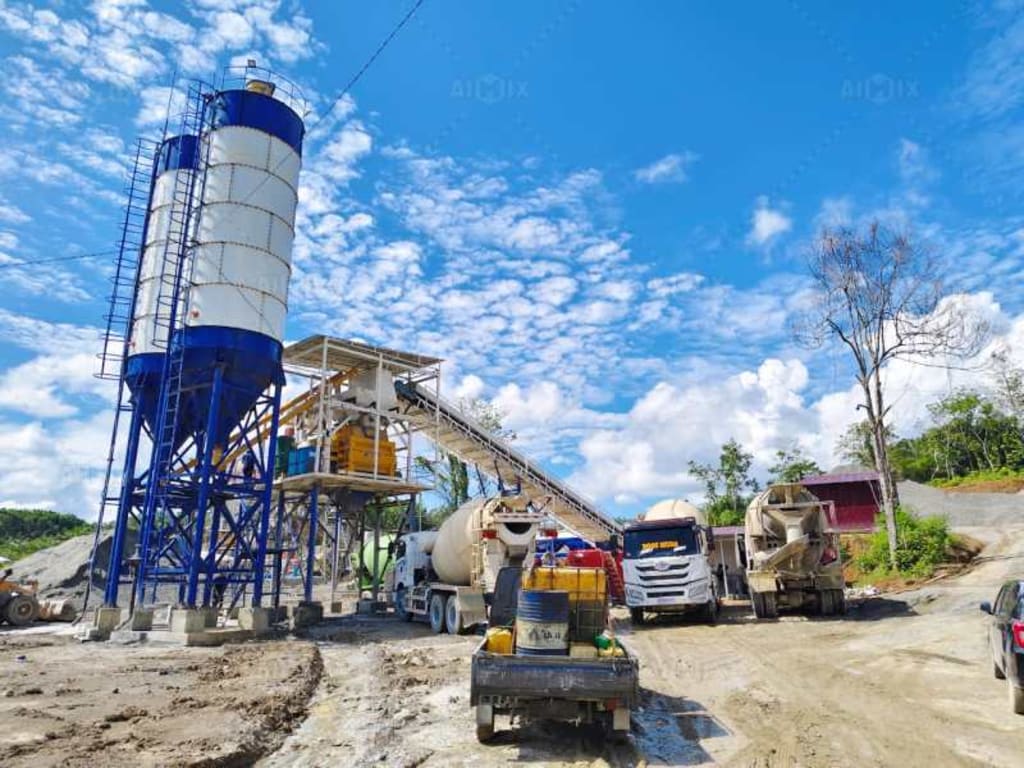
As the global construction industry embraces sustainability, stationary concrete plants are evolving to incorporate green innovations that reduce environmental impact and enhance efficiency. These advancements are reshaping the way concrete is produced, aligning with industry goals to minimize carbon footprints while maintaining high production standards. In this article, we explore the latest green innovations in stationary concrete plant design and how they benefit businesses and the environment.
1. Energy-Efficient Operations
Energy efficiency is a cornerstone of green innovation in stationary concrete plants. Modern designs include features such as:
Energy-efficient motors and drives: Advanced motors reduce energy consumption during batching and mixing operations.
Variable frequency drives (VFDs): These adjust the speed of motors based on operational requirements, ensuring optimal energy use.
Renewable energy integration: Many stationary plants now incorporate solar panels or wind turbines to power operations partially or entirely.
These measures lower electricity costs while reducing greenhouse gas emissions, making stationary plants more sustainable.
2. Waste Reduction and Recycling
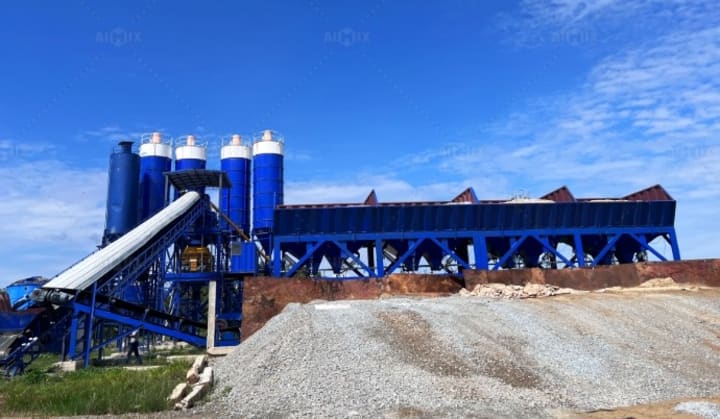
Minimizing waste is another focus area for green stationary concrete plants. Key innovations include:
Recycling systems: Advanced water recycling systems collect and reuse water from the concrete production process, conserving resources.
Reclaimed aggregates: Plants are designed to use recycled aggregates from demolition waste, reducing reliance on virgin materials.
Automated batching systems: These ensure precise measurements, minimizing overproduction and material waste.
By integrating these technologies, stationary concrete plants contribute to a circular economy and reduce landfill contributions.
3. Carbon Capture and Utilization
Carbon dioxide emissions are a significant challenge in concrete production. Green stationary concrete plants are addressing this issue through innovative carbon capture and utilization (CCU) technologies:
CO₂ injection systems: These systems inject captured carbon dioxide into the concrete mix, which reacts with calcium compounds to form stable minerals. This process reduces the carbon footprint and enhances concrete strength.
On-site carbon capture units: These units capture emissions from cement silos and other sources, preventing them from entering the atmosphere.
By adopting CCU technologies, stationary plants are helping the construction industry transition toward net-zero carbon goals.
4. Eco-Friendly Material Handling
Efficient material handling systems in stationary concrete plants reduce dust, noise, and emissions. Green innovations in this area include:
Enclosed conveyors and silos: These systems prevent dust generation during material transport and storage.
Dust suppression technologies: Advanced filters and misting systems capture airborne particles, maintaining air quality.
Low-emission loading systems: These systems reduce fuel consumption and emissions during aggregate handling.
Such improvements not only protect the environment but also create safer working conditions for plant operators.
If you are looking for a eco-friendly plant, it is important to choose a reliable batching plant manufacturer for a suitable plant solution to match all the project needs.
5. Automation and Smart Technologies
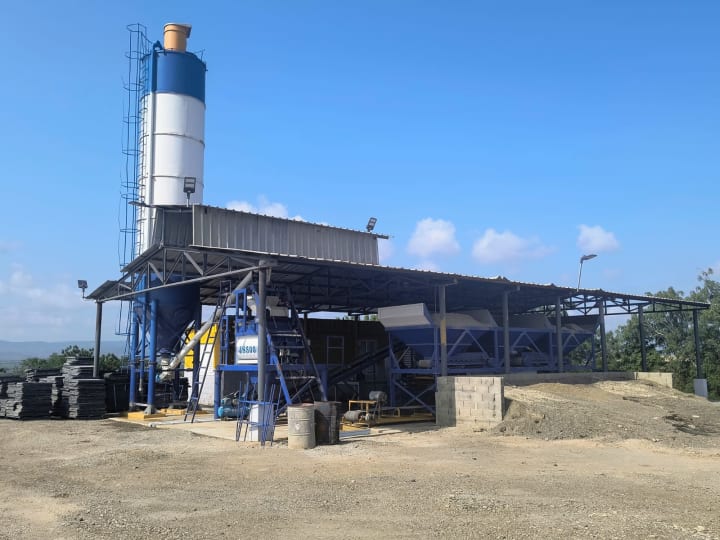
The integration of automation and smart technologies in stationary concrete plants enhances sustainability by optimizing processes and reducing waste. Examples include:
AI-driven batching systems: Artificial intelligence ensures precise mix designs, improving resource efficiency.
Real-time monitoring systems: Sensors and IoT devices track energy use, emissions, and material consumption, allowing operators to identify inefficiencies.
Predictive maintenance: Smart systems predict equipment failures, reducing downtime and extending machinery life.
These technologies enable plant operators to achieve higher productivity while minimizing environmental impact.
6. Water Conservation Strategies
Water is a critical resource in concrete production, and green stationary plants prioritize its conservation through innovative strategies:
Closed-loop water systems: These systems recycle water used for washing equipment and mixing concrete.
Rainwater harvesting: Plants collect and store rainwater for use in production, reducing reliance on municipal water sources.
Low-water concrete mixes: Innovations in mix design reduce water requirements without compromising quality.
By adopting these measures, stationary concrete plants significantly decrease water consumption and contribute to sustainable resource management.
7. Sustainable Building Materials
Green stationary concrete plants promote the use of sustainable materials in concrete production. Innovations include:
Supplementary cementitious materials (SCMs): Fly ash, slag, and silica fume are used as partial replacements for cement, reducing the carbon intensity of concrete.
Geopolymer concrete: This alternative to traditional concrete uses industrial byproducts like fly ash and slag, offering lower emissions and comparable performance.
Bio-based additives: Natural fibers and plant-based polymers enhance concrete properties while reducing reliance on synthetic materials.
These materials align with global efforts to create eco-friendly construction solutions.
8. Compact and Modular Designs
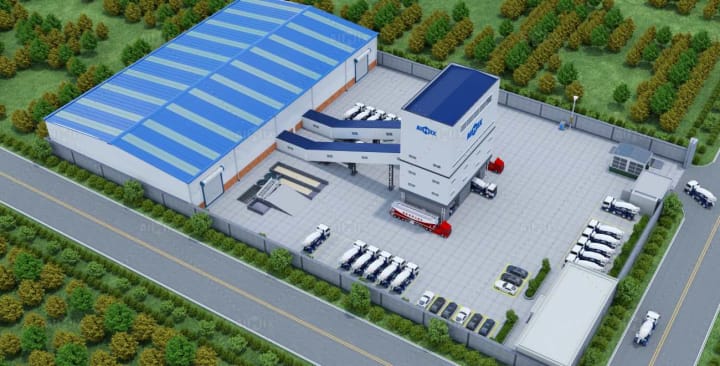
Compact and modular designs are becoming a hallmark of green stationary concrete plants. These designs offer several environmental benefits:
Reduced land use: Smaller footprints minimize the impact on natural habitats.
Modular expansions: Plants can be expanded incrementally, reducing unnecessary resource use.
Transport efficiency: Modular components are easier to transport, lowering emissions during installation.
Compact designs ensure that stationary plants integrate seamlessly into urban or environmentally sensitive areas.
Conclusion
Green innovations in stationary concrete plant design are transforming the construction industry, offering sustainable solutions that balance productivity with environmental responsibility. From energy-efficient operations and waste recycling to carbon capture and smart technologies, these advancements enable businesses to reduce their ecological impact while maintaining competitive advantages.
As demand for eco-friendly construction grows, adopting these innovations is no longer optional but essential for long-term success. By investing in green stationary concrete plants, companies can align with global sustainability goals, meet client expectations, and contribute to a greener future for the construction industry.
About the Creator
consrtuctionmachines
AIMIX is a customer-center-oriented heavy equipment manufacturer and supplier, devoted to production, innovation, combination, one-stop solution, etc.
https://aimixgroup.com/
Keep reading
More stories from consrtuctionmachines and writers in 01 and other communities.
Preparation and Maintenance When Using Hydraulic Concrete Mixers
Hydraulic concrete mixers are essential tools in the construction industry. Proper preparation and maintenance ensure their efficient operation and longevity. This blog provides valuable tips on preparation and maintenance when using hydraulic concrete mixers.
By consrtuctionmachinesabout a year ago in 01
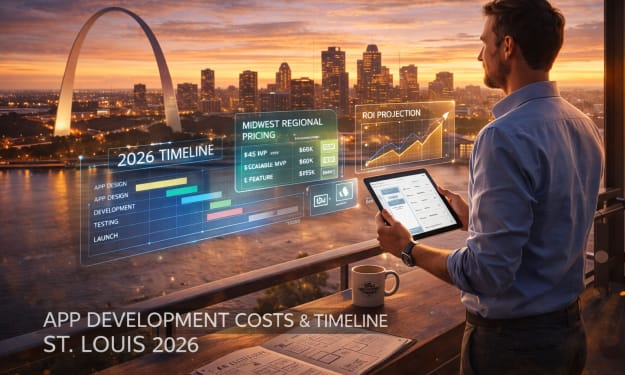
App Development Costs and Timeline in St. Louis 2026
The landscape for App Development Costs and Timeline in St. Louis 2026 has shifted. It changed significantly as the region's tech corridor matured. St. Louis-based enterprises now face a new reality. Startups must also navigate a complex ecosystem. Building a custom application is no longer just about hiring one coder. It is about specialized engineering talent. It also involves evolving AI-integrated workflows.
By Del Rosario5 days ago in 01


Comments
There are no comments for this story
Be the first to respond and start the conversation.