
Goth now and then
How Gothic Culture Influenced Pop Media
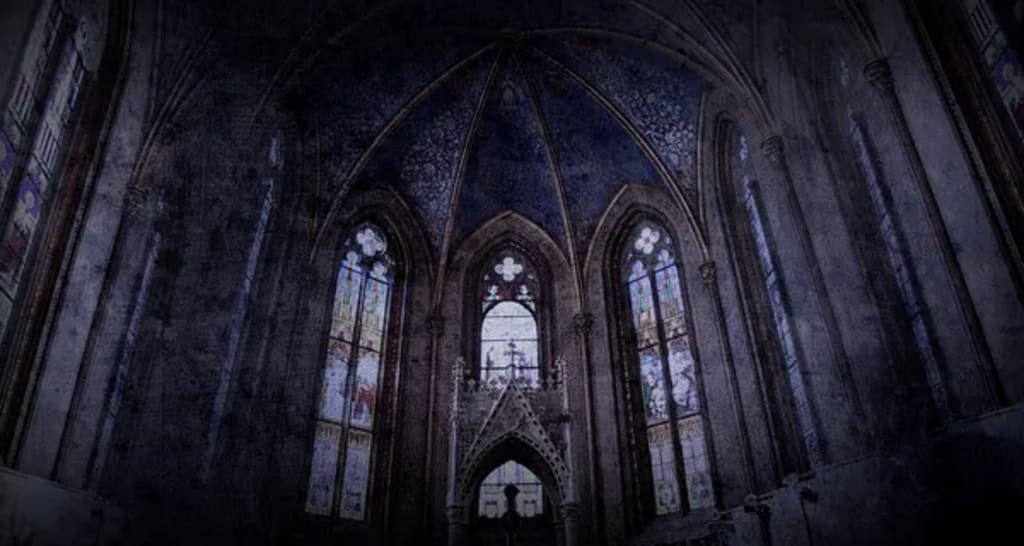
Gothic culture, with its enigmatic allure and dark romanticism, has captivated audiences for centuries. Emerging as an artistic and architectural movement in the medieval period, it has since evolved into a rich and multifaceted cultural force. Defined by its deep fascination with the mysterious, the macabre, and the melancholic, Gothic culture has significantly influenced various aspects of human expression—from literature and art to music and fashion. Today, it stands as a prominent influence on pop media, shaping narratives, aesthetics, and creative paradigms in ways both subtle and overt. Pop media, encompassing film, television, music, video games, and literature, frequently draws upon Gothic motifs to evoke emotional depth and visual intrigue. The Gothic’s timeless appeal lies in its ability to explore themes of beauty and horror, love and despair, and the eternal conflict between light and darkness. From classic works of literature like Mary Shelley’s Frankenstein to contemporary adaptations like Netflix’s Wednesday, Gothic culture has woven its shadowy threads into the fabric of popular culture.
In this article, we will delve deep into how Gothic culture has influenced pop media. We’ll trace its historical roots, examine its evolution into a distinct subculture, and analyze its enduring impact across various media forms. Through this exploration, we aim to understand the profound resonance of Gothic culture and its ongoing dialogue with the broader cultural landscape.The origins of Gothic culture can be traced back to the 12th century, marked by the emergence of Gothic architecture in Europe. Characterized by towering cathedrals, pointed arches, ribbed vaults, and intricate stained glass, this architectural style sought to evoke a sense of divine grandeur and spiritual transcendence. Iconic structures like Notre-Dame de Paris and Chartres Cathedral remain enduring symbols of the Gothic aesthetic, embodying a delicate interplay of light and shadow.
The origins of Gothic culture can be traced back to the 12th century, marked by the emergence of Gothic architecture in Europe. Characterized by towering cathedrals, pointed arches, ribbed vaults, and intricate stained glass, this architectural style sought to evoke a sense of divine grandeur and spiritual transcendence. Iconic structures like Notre-Dame de Paris and Chartres Cathedral remain enduring symbols of the Gothic aesthetic, embodying a delicate interplay of light and shadow.These architectural masterpieces were not merely places of worship but also expressions of human imagination and ingenuity. Their awe-inspiring design inspired artists, writers, and creators, laying the groundwork for the Gothic’s enduring appeal.The late 18th century witnessed the emergence of Gothic literature, a genre that defined the Romantic era’s fascination with the sublime and the supernatural. Writers like Horace Walpole, Ann Radcliffe, and Mary Shelley pioneered tales of haunted castles, tragic heroes, and eerie landscapes. Walpole’s The Castle of Otranto (1764), often regarded as the first Gothic novel, established key tropes that would permeate the genre: mysterious settings, family secrets, and encounters with the supernatural. Mary Shelley’s Frankenstein (1818) further solidified Gothic literature’s place in cultural history, blending science fiction with themes of human hubris and existential dread. Edgar Allan Poe’s macabre short stories and poems explored psychological terror and the fragility of the human mind, while Bram Stoker’s Dracula (1897) introduced the archetypal vampire to popular culture. These works not only entertained but also reflected societal anxieties, such as the fear of the unknown and the consequences of technological advancement
Rise of Gothic Subculture in the 20th Century
The 1970s and 1980s witnessed the birth of the Gothic subculture, rooted in the post-punk music scene. Bands like Bauhaus, Siouxsie and the Banshees, and The Cure pioneered a musical style that blended melancholic lyrics with atmospheric soundscapes. Bauhaus’s 1979 hit “Bela Lugosi’s Dead” is often credited with kickstarting the goth music movement, paying homage to the star of Universal’s Dracula films and epitomizing the subculture’s fascination with death and decay. Darkwave and industrial music further expanded the Gothic sound, with artists like Joy Division, Dead Can Dance, and Nine Inch Nails contributing to the genre’s evolution. These musical styles often incorporated elements of electronic music, creating haunting and otherworldly auditory experiences
Gothic fashion emerged as a distinctive expression of individuality and rebellion against societal norms. Heavily influenced by Victorian and Edwardian styles, goth fashion often features black clothing, corsets, lace, and elaborate jewelry. Accessories like chokers, fishnet gloves, and leather boots became iconic staples of the subculture. The aesthetic extends beyond clothing to hairstyles, makeup, and body modifications, with pale complexions, dark eyeliner, and dyed black hair symbolizing the Gothic embrace of the unconventional.At its core, the Gothic subculture celebrates individuality, introspection, and a romanticization of the darker aspects of life. Themes of mortality, existentialism, and the supernatural resonate deeply with adherents, fostering a sense of community and shared identity. The Gothic ethos rejects superficiality, instead valuing depth, creativity, and authenticity.
Influence on Film and Television
The visual allure of Gothic culture found a natural home in the medium of film. Early 20th-century horror films, such as Nosferatu (1922) and The Cabinet of Dr. Caligari (1920), drew heavily on Gothic aesthetics, with their shadowy landscapes, grotesque characters, and chilling atmospheres. Universal Studios’ classic monster movies of the 1930s, including Dracula (1931), Frankenstein (1931), and The Bride of Frankenstein (1935), cemented the Gothic as a cornerstone of cinematic horror. Few filmmakers have embraced Gothic culture as wholeheartedly as Tim Burton. Known for his distinctive visual style, Burton’s films such as Edward Scissorhands (1990), Sleepy Hollow (1999), and Corpse Bride (2005) combine dark humor with hauntingly beautiful aesthetics. His frequent collaboration with composer Danny Elfman enhances the otherworldly quality of his work, making Burton a defining figure in modern Gothic cinema.Television has also embraced Gothic themes, with series like The Addams Family (1964) and Dark Shadows (1966) introducing audiences to quirky, macabre characters. More recent shows, such as Buffy the Vampire Slayer, Penny Dreadful, and Wednesday, continue to explore Gothic motifs, blending supernatural elements with complex character development. These series highlight the Gothic’s adaptability, appealing to both niche and mainstream audiences.
The Gothic’s influence extends to the fantasy genre, with shows like Game of Thrones and The Witcher incorporating dark, Gothic-inspired settings and themes. Castles shrouded in mist, morally ambiguous characters, and tales of power and betrayal echo the hallmarks of Gothic storytelling, captivating modern audiences.
The spread of Gothic culture through music has been a cornerstone of its global reach. Bands like Sisters of Mercy, Fields of the Nephilim, and Type O Negative brought Gothic rock to wider audiences, while genres like darkwave and ethereal wave introduced dreamlike qualities to the sound. Concerts and festivals, such as the annual Wave-Gotik-Treffen in Germany, continue to celebrate Gothic music’s enduring legacy, fostering a sense of international community among fans.The Gothic’s influence on visual arts can be seen in album covers, music videos, and promotional materials. Artists like H. R. Giger and Zdzisław Beksiński brought surreal and macabre elements to their work, creating visuals that resonated with Gothic ideals. These aesthetics permeate contemporary visual culture, from tattoo art to digital illustrations inspired by Gothic motifs.Gothic culture’s visual and musical elements frequently intersect with modern pop media, shaping the design of characters, settings, and narrative arcs. Video games like Bloodborne and Devil May Cry borrow heavily from Gothic aesthetics, blending music and visuals to create immersive, atmospheric worlds.
About the Creator
Keep reading
More stories from Abdusamed Saračević and writers in 01 and other communities.
When Comfort Breeds Complaints
In the grand arc of human history, progress has always been a driving force behind the improvement of our quality of life. From the invention of the wheel to the development of antibiotics, human ingenuity has consistently aimed to solve problems, alleviate suffering, and create better living conditions. Yet, paradoxically, as our quality of life has improved, so too has our propensity to complain about seemingly trivial matters. This phenomenon, often referred to as the "paradox of progress," raises a fascinating question: why do improvements in living standards often lead to an increase in dissatisfaction over minor inconveniences?
By Abdusamed Saračevićabout a year ago in Psyche




Comments
There are no comments for this story
Be the first to respond and start the conversation.