
Google's $135 Billion: How a Single Mistake Erased a Nations's Retirement Savings
The day Google accidentally 'deleted' Australia's Future - and how it could happen to you

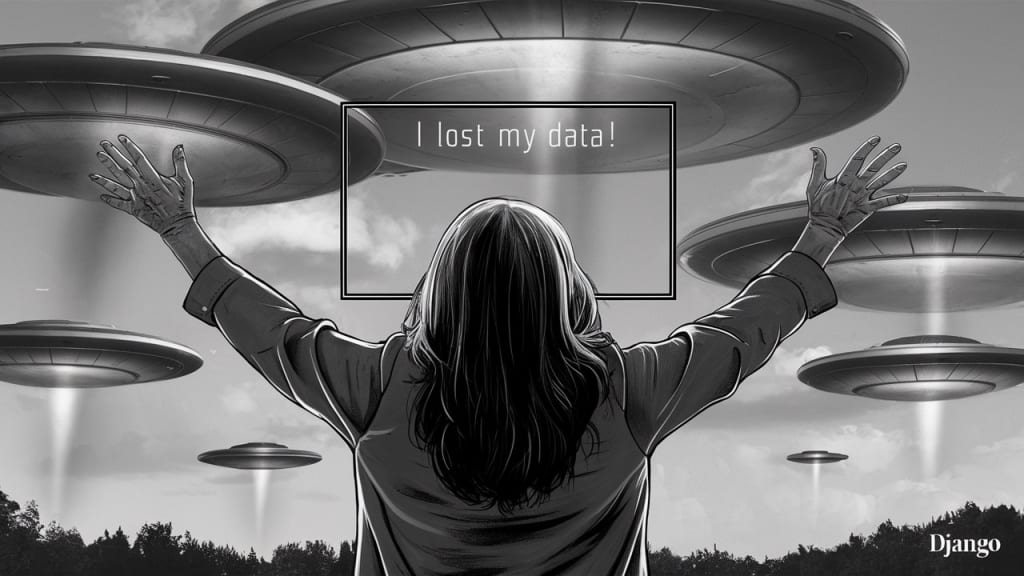
In a shocking turn of events that sent ripples through both the tech and financial worlds, Google, one of the world's leading technology giants, inadvertently deleted an entire pension fund worth a staggering $135 billion Australian dollars (approximately $88 billion USD). This monumental error affected UniSuper, a prominent superannuation fund managing the retirement savings of over 600,000 Australians.
The incident, which occurred on May 1, 2024, exposed the vulnerabilities that can exist even in the most sophisticated cloud systems and highlighted the critical importance of robust backup strategies. It all began a year earlier when UniSuper approached Google with a unique request for a custom private cloud solution.
UniSuper, like many large financial institutions, relied on VMware, a platform that provides solutions for building on-premises cloud environments. They wanted to migrate their VMware-based applications to Google Cloud without changing their existing tools or processes. Google's VMware Engine team received this request and set about creating a bespoke cloud environment using an internal tool designed for such custom deployments.
However, in a critical oversight, the Google engineers failed to set a crucial parameter when creating this custom cloud. Unbeknownst to them, this omission activated a default setting in their internal tool - one that automatically deleted the cloud environment after one year. This setting, likely implemented for cleaning up test environments, became a ticking time bomb for UniSuper's live production data.
Fast forward to May 1, 2024, and the UniSuper development team was thrown into chaos. Their key services stopped responding, and to their horror, they discovered that their entire cloud environment had vanished. Panic ensued as they realized that financial data for holdings worth over $135 billion had seemingly disappeared into thin air.
The UniSuper team immediately reached out to Google, triggering a frantic investigation. Google's internal logs revealed the truth - the cloud had been automatically deleted due to the expiration of its one-year fixed term. This automated deletion, a feature not available to typical customers, had been accidentally applied to UniSuper's production environment.
As news of the incident spread, UniSuper's customers began to worry. Unable to access their retirement savings information, many feared a potential cyber attack. UniSuper quickly issued a statement, explaining that the issue originated from a third-party service provider and was not a malicious attack. They later revealed Google Cloud as the provider responsible for the incident.
Public skepticism lingered until May 8th, when the CEO of Google Cloud publicly confirmed their responsibility for the error. This admission, while damaging to Google's reputation, helped to quell fears of a more sinister event.
The incident threw a spotlight on the critical importance of data backup strategies, especially when dealing with sensitive and high-value data like pension funds. It served as a stark reminder of the "3-2-1" rule for effective backups:
1. Keep at least three copies of your data.
2. Store these copies on at least two different types of storage media.
3. Keep at least one copy offsite.
UniSuper's adherence to this rule proved to be their saving grace. Not only did they have backups in Google Cloud Storage (a separate service unaffected by the deletion), but they also maintained backups with a different provider altogether. This diversified backup strategy allowed them to recover from what could have been a catastrophic loss.
However, the recovery process was far from simple. It took two full weeks of round-the-clock effort from both UniSuper and Google teams to restore the infrastructure, redeploy application code, and most crucially, recover all the data. During this period, UniSuper's customers were left in limbo, unable to access their retirement savings information.
The incident serves as a cautionary tale for organizations of all sizes. It demonstrates that even tech giants like Google can make significant errors, and relying solely on one service provider - no matter how reputable - can be risky. It underscores the importance of having control over one's own data and implementing robust, diversified backup strategies.
For individuals and smaller organizations, the lesson is equally valuable. Consider the following practical examples of applying the 3-2-1 rule:
1. For personal data:
- Keep photos on your phone (Copy 1)
- Back them up to an external hard drive (Copy 2, different media)
- Use a cloud storage service like Google Photos or iCloud (Copy 3, offsite)
2. For a small business:
- Store customer data on office computers (Copy 1)
- Back up to a local network-attached storage device (Copy 2, different media)
- Use a cloud backup service like Backblaze or Carbonite (Copy 3, offsite)
The UniSuper incident also raises questions about the default settings in software tools, especially those used internally by tech companies. It highlights the potential dangers of automated processes that can delete data without human intervention, particularly when applied to production environments.
In the aftermath of this incident, Google announced a comprehensive review of their internal tools and processes. They committed to implementing additional safeguards to prevent similar incidents in the future. This may include more rigorous checks before executing potentially destructive operations, especially on large-scale customer environments.
For UniSuper, while the incident was undoubtedly stressful and potentially damaging to their reputation, their robust backup strategy ultimately saved them from a true disaster. Their proactive approach to data security ensured that, despite the shock of the initial deletion, they were able to recover all their customers' data.
In conclusion, the accidental deletion of $135 billion worth of pension data serves as a wake-up call for individuals and organizations alike. It reminds us that in our increasingly digital world, data is one of our most valuable assets, and protecting it should be a top priority. Like insurance, backups may seem unnecessary most of the time, but when disaster strikes, they become invaluable. Let this incident serve as a powerful reminder to always keep your data safe, secure, and well-backed up.
About the Creator
Keep reading
More stories from Next Koding and writers in 01 and other communities.
Google's AI Dominance: The Double-Edged Sword Reshaping The Internet Landscape
In a world increasingly driven by artificial intelligence, Google's latest move to incorporate AI-generated answers at the top of search results has sent shockwaves through the digital ecosystem. This seismic shift in how information is presented and consumed online has far-reaching implications for website owners, content creators, and the future of the internet as we know it.
By Next Kodingabout a year ago in 01
Understanding Car Key Replacement in Modern Cities
Losing access to a vehicle is one of those problems that seems small until it happens. For many people, a car is not a luxury but a daily necessity tied to work, family responsibilities, and personal independence. When a key goes missing or stops functioning, the disruption can be immediate and stressful. This reality has made car key replacement a topic that many drivers only think about once they are forced to deal with it.
By charliesamuel6 days ago in 01




Comments (3)
Thanks for sharing
Glad you wrote it.
Thank you for the info! This is serious...