
Global Luxury Jewelry Market Size and Forecast 2025–2033
How Wealth Growth, Digital Influence, and Cultural Shifts Are Redefining the Global Luxury Jewelry Landscape


The Global Luxury Jewelry Market is entering a transformative decade driven by rising global affluence, expanding digital retail, and the growing cultural value of premium craftsmanship. According to Renub Research, the market is projected to grow from US$ 48.74 billion in 2024 to an impressive US$ 99.15 billion by 2033, reflecting a strong CAGR of 8.21% during 2025–2033. This momentum is reshaping consumer preferences, industry strategies, and international competition across traditional luxury powerhouses and emerging markets alike.
Luxury jewelry—crafted from precious metals like gold and platinum and adorned with diamonds, pearls, rubies, and gemstones—stands as a universal symbol of wealth, identity, and heritage. Iconic brands such as Cartier, Tiffany & Co., Bulgari, Van Cleef & Arpels, Louis Vuitton, and Chopard define the global landscape, where craftsmanship and exclusivity continue to hold unmatched value.
But beyond prestige, luxury jewelry is increasingly viewed as a dual-purpose asset—both a wearable statement and a long-term investment. Consumers around the world are embracing jewelry not just for special occasions, but also as part of self-expression, generational gifting, and wealth preservation.
Global Luxury Jewelry Market Outlook
Luxury jewelry represents the pinnacle of artistry and material rarity. Whether it is a diamond engagement ring, a platinum necklace, or a bespoke gemstone bracelet, luxury jewelry pieces are valued for:
Exceptional craftsmanship
Use of precious and rare materials
Strong brand heritage
Timeless design and resale value
Traditionally associated with weddings, engagements, anniversaries, and elite ceremonies, luxury jewelry has become more mainstream due to rising disposable incomes, especially across Asia-Pacific.
The global market’s expansion is reinforced by:
The growing population of high-net-worth individuals (HNWIs)
Celebrity endorsements and digital visibility
Luxury e-commerce accessibility
Brand expansion in emerging markets
North America and Europe remain major consumption centers, but China, India, and the Middle East are rapidly ascending. The democratization of online luxury retail has eliminated barriers, enabling brands to reach global customers with personalized digital experiences, virtual try-ons, and premium delivery services.
Key Market Growth Drivers
1. Increasing Disposable Income & Wealth Accumulation
The luxury jewelry industry thrives on global wealth creation, particularly among the upper-middle class, affluent millennials, and HNWIs. Rising prosperity in China, India, the UAE, Brazil, and other emerging economies is reshaping demand patterns.
Consumers in these markets are investing in luxury jewelry for:
Symbolic prestige
Long-term financial security
Heritage preservation
Fashion and personal branding
Luxury brands are responding by opening boutiques, launching region-specific collections, and enhancing local marketing narratives.
A new segment fueling this growth is young, high-income buyers, who see luxury jewelry not just as an asset but as a form of wearable investment and collectible art.
2. Globalization & E-Commerce Transformation
The digital revolution has dramatically shifted how luxury jewelry is discovered and purchased.
High-end brands are now using:
HD product imaging
Virtual try-on technology
Digital consultations
AI-driven personalization
This has enhanced consumer trust in online luxury purchases.
International expansion is accelerating as brands leverage global shipping and duty-free commerce. Even consumers in markets without flagship stores now have access to premium collections.
A notable example is luxury brand ANEKA, which expanded with a Paris boutique in 2024 and announced plans for a U.S. launch. With multicultural inspirations, modern values, and upcoming high-jewelry lines, the brand reflects the digital-first, globally connected direction of luxury retail.
3. Celebrity Culture & Social Media Influence
Luxury jewelry has always been intertwined with celebrity glamour, but platforms like Instagram, TikTok, and YouTube have amplified its global visibility.
Influencers, actors, models, and fashion icons frequently showcase high-end jewelry, shaping aspirational consumer behavior. Red-carpet events such as the Oscars or Met Gala act as worldwide promotional stages for brands.
In January 2024, actor Michael B. Jordan became the global brand ambassador for David Yurman, representing its first-ever Men’s High Jewelry collection. Such high-profile campaigns boost brand equity and connect with younger demographics.
Millennials and Gen Z—who prioritize brand storytelling and authenticity—are increasingly driving purchase decisions in the luxury jewelry market.
Key Market Challenges
1. High Sensitivity to Economic Fluctuations
Luxury jewelry is a discretionary purchase, leaving it vulnerable to disruptions caused by:
Global recessions
Inflationary pressures
Political instability
Currency fluctuations
During uncertain economic periods, even affluent consumers may delay high-value purchases. This cyclical dependency forces luxury brands to continuously reassess pricing, promotions, and retail strategies.
2. Counterfeiting & Brand Dilution
Counterfeiting remains one of the most damaging challenges in luxury retail. Fake luxury jewelry floods online marketplaces, undermining:
Brand reputation
Consumer confidence
Genuine product sales
Brands are fighting back with:
Blockchain authentication
Advanced verification techniques
Strict legal enforcement
Anti-counterfeit education campaigns
However, the scale of global counterfeiting continues to pose significant risks.
Market by Raw Material Segment
Gold Luxury Jewelry
Gold’s emotional, cultural, and financial significance makes it the cornerstone of luxury jewelry. Nations like India, UAE, and Saudi Arabia consider gold an essential part of weddings and heritage ceremonies.
High-end gold jewelry, featuring intricate designs, appeals to consumers seeking a blend of tradition and exclusivity.
Diamond Luxury Jewelry
Diamonds remain the most iconic symbol of luxury and romance. The segment is fueled by:
Bridal jewelry demand
Prestige gifting
Investments in both natural and lab-grown diamonds
While North America dominates, China and India are emerging as high-growth diamond markets.
Precious Pearl Luxury Jewelry
From Akoya pearls to South Sea and Tahitian varieties, pearls maintain a strong following among consumers who appreciate sophistication and rarity.
Modern designs now cater to younger buyers seeking the fusion of elegance with contemporary styling.
Market by Product Type
Luxury Necklaces
Necklaces—ranging from minimal solitaires to opulent gemstone pieces—are the fastest-growing product category. Fashion-forward consumers increasingly embrace:
Layered neckpieces
Personalized pendants
Custom gemstone arrangements
Women aged 25–45 drive this trend, viewing necklaces as both personal style statements and valuable assets.
Market by Application
Female Luxury Jewelry Market
Women account for the majority of luxury jewelry purchases, whether for self-buying, wedding collections, or celebratory gifting.
Marketing campaigns that emphasize empowerment, identity, and self-expression are shaping the modern female luxury buyer. This segment remains the backbone of global luxury jewelry revenues.
Country-Level Insights
United States
The U.S. remains a powerhouse due to its strong offline market. Consumers favor flagship stores, expert consultations, and certification assurance for high-value purchases. Cities like New York, Los Angeles, Miami, and Chicago dominate luxury retail footprints.
Germany
German consumers prioritize craftsmanship, sustainability, and minimalist luxury. Ethical sourcing plays a significant role, and heritage brands enjoy strong loyalty.
India
One of the fastest-growing markets globally, India’s luxury jewelry demand is rooted in:
Deep cultural ties to gold
Expanding middle-class wealth
Wedding-driven consumption
Rising preference for branded, modern designs
Brands are rapidly expanding in major cities like Mumbai, Delhi, and Bangalore.
Brazil
Brazil’s luxury jewelry market thrives on indigenous gemstones, bold designs, and rising urban affluence. Retail hubs in São Paulo and Rio de Janeiro are witnessing strong boutique expansion.
Saudi Arabia
Luxury jewelry demand in Saudi Arabia is anchored in:
High gold consumption
Bridal jewelry splendor
Rising women’s purchasing power
Vision 2030 retail transformation
Premium mall developments and global brand entries are reshaping the country’s luxury landscape.
Market Segmentation Overview
By Raw Material:
Gold, Platinum, Diamond, Gemstone, Precious Pearl, Others
By Product:
Necklace, Ring, Bracelet, Earring, Others
By Distribution Channel:
Online, Offline
By Application:
Male, Female, Children
By Region:
North America, Europe, Asia-Pacific, Latin America, Middle East & Africa
Key Companies Covered
Guccio Gucci S.p.A.
The Swatch Group Ltd
Compagnie Financière Richemont SA
Tiffany & Co. (T&CO.)
GRAFF
Louis Vuitton
Signet Jewelers
Chopard
MIKIMOTO
Pandora
Each company profile includes:
Overview, Key Person, Recent Developments, SWOT Analysis, and Revenue Analysis
Final Thoughts
The global luxury jewelry market is entering a dynamic decade shaped by new wealth, technological innovation, and cultural evolution. With demand surging across both traditional and emerging markets, luxury brands are blending heritage with modernity—embracing digital tools, sustainable materials, and personalized craftsmanship.
As affluence rises worldwide and consumers increasingly prioritize self-expression and investment value, luxury jewelry stands not only as a symbol of prestige but as a resilient and culturally significant global asset class.
About the Creator
Keep reading
More stories from Aaina Oberoi and writers in 01 and other communities.
United States Skateboard Market Size and Forecast 2025–2033: Youth Culture, Olympic Spotlight, and Urban Mobility Drive Steady Growth
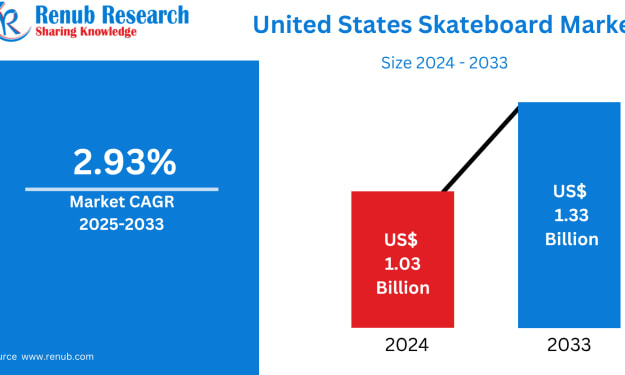
The United States Skateboard Market is expected to reach US$ 1.33 billion by 2033, rising from US$ 1.03 billion in 2024, according to Renub Research. The industry will grow at a CAGR of 2.93% from 2025 to 2033, reflecting stable demand powered by youth engagement, the mainstreaming of skate culture, Olympic recognition, urban infrastructure expansion, and the rising affinity for electric mobility solutions.
By Aaina Oberoi2 months ago in 01
How To See The Most Viewed Video of a TikTok Creator?
Of no doubt, almost every user of the widely used TikTok - a video-centric social community where many people across the globe upload different sorts of videos for others to watch - strongly desire to know who's viewing the video contents they post, not just that.
By Intelligent Creator5 days ago in 01


Comments
There are no comments for this story
Be the first to respond and start the conversation.