
Generative AI: The Future of Creativity or the End of Originality?
Exploring the Impact of Generative AI on Creativity, Ethics, and the Future of Human Innovation

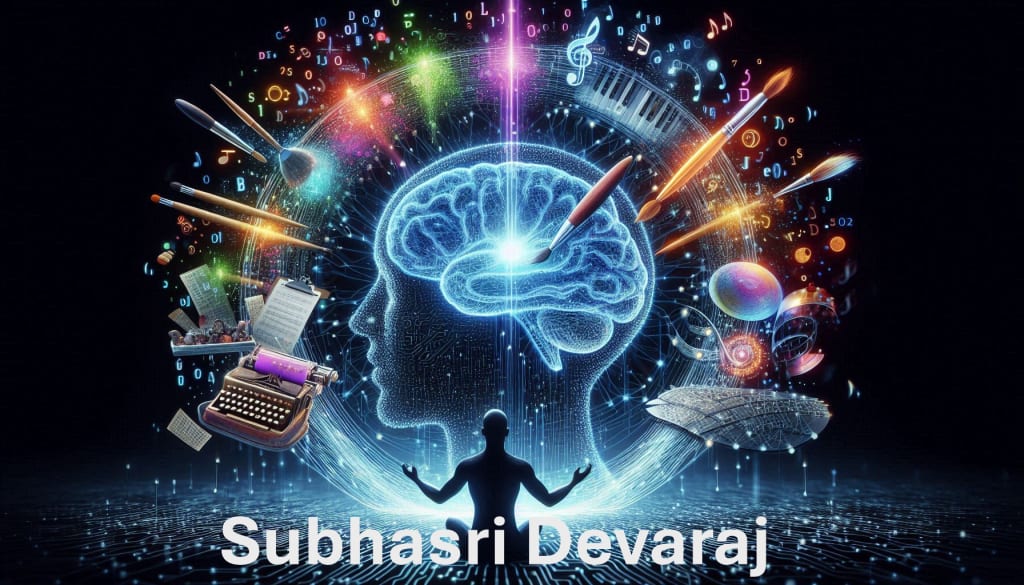
The rise of Generative AI is one of the most fascinating developments in technology today, stirring excitement and trepidation in equal measure. As artificial intelligence (AI) advances, so does its ability to create—be it art, music, writing, or even entire virtual worlds. But what does this mean for the future of creativity? Is Generative AI a tool that will elevate human ingenuity, or is it a harbinger of a world where originality is replaced by algorithmic output?
Understanding Generative AI: Beyond the Buzzwords
Generative AI refers to systems capable of producing new content based on patterns learned from existing data. Unlike traditional AI, which is designed to follow specific rules or perform tasks based on pre-programmed instructions, generative AI can create. For instance, OpenAI’s GPT models, like the one powering this article, can generate human-like text. Meanwhile, tools like DALL-E and Midjourney can create intricate images based on text prompts, and AI music generators can compose original scores.
The Creative Revolution: Empowering or Replacing Artists?
One of the most significant impacts of generative AI is its potential to democratize creativity. With AI tools, anyone can create art, write stories, or compose music without needing formal training. This opens the door for more people to express themselves and explore their creative instincts. For example, a marketer with no design experience can generate professional-looking graphics using AI, while a small business owner can use AI to write compelling product descriptions.
However, this empowerment comes with a cost. Professional artists, writers, and musicians are increasingly concerned about being replaced by AI. If AI can generate art that rivals human creation, what happens to the value of human-made work? The fear is not unfounded; AI-generated content is already being used in marketing, entertainment, and even journalism, raising questions about the future of these industries.
The Ethical Dilemma: Creativity Without Conscience
Generative AI also raises important ethical questions. One major concern is the potential for bias in AI-generated content. Since AI systems learn from existing data, they can inadvertently perpetuate stereotypes or create biased outputs. For example, an AI trained on historical art might replicate the biases present in that art, such as underrepresentation of certain groups or cultures.
Moreover, the use of AI in creative industries could lead to a devaluation of human creativity. If a machine can produce art, music, or literature in seconds, what incentive is there for humans to spend years mastering these crafts? This could lead to a cultural shift where the value of human creativity is diminished, and originality becomes a rarity.
Generative AI in the Real World: Case Studies and Applications
Despite the controversies, generative AI is already making its mark across various industries. In marketing, AI-generated content is being used to create personalized ad campaigns, write blogs, and even produce social media posts. In entertainment, AI is being used to generate music for video games, compose film scores, and even create virtual characters.
One notable example is the use of AI in the fashion industry. Designers are using AI to generate new patterns, predict fashion trends, and even create virtual models. This not only speeds up the design process but also allows for more experimentation and innovation.
In the gaming industry, AI is being used to generate entire virtual worlds, complete with landscapes, characters, and narratives. This allows for more immersive and dynamic gaming experiences, as the AI can adapt the game environment in real-time based on player actions.
The Future of Creativity: Collaboration or Competition?
So, what does the future hold for generative AI and creativity? The most likely scenario is a hybrid approach where AI and human creativity complement each other. AI can handle repetitive or time-consuming tasks, allowing humans to focus on more complex and creative aspects of their work. For example, a writer might use AI to generate ideas or drafts, which they then refine and personalize.
However, this collaboration will require a shift in how we view creativity. Rather than seeing AI as a competitor, we may need to embrace it as a tool that enhances human potential. This could lead to new forms of creativity that blend human intuition and emotion with AI's efficiency and innovation.
Conclusion: Embracing the AI-Driven Creative Revolution
Generative AI is undoubtedly changing the landscape of creativity. While it presents challenges and ethical dilemmas, it also offers exciting possibilities for innovation and democratization. The key will be finding a balance where AI and human creativity can coexist, each enhancing the other. As we navigate this new frontier, it will be crucial to ensure that AI is used responsibly, with a focus on preserving the value of human creativity and originality.
About the Creator
Keep reading
More stories from Subhasri Devaraj and writers in 01 and other communities.
Decoding the Secret Messages Behind Every Status Update: The Hidden Emotions, Emojis, and Memes of Social Media
Every status update we post is more than just a simple statement—it's a subtle communication with a secret message meant for a specific person. Whether it's an inspirational quote or a seemingly random picture of the sunset, there's often a hidden meaning lurking behind the pixels.
By Subhasri Devaraj2 years ago in Lifehack
How to Build Custom AI Solutions for Enterprises: A Guide to Market Dominance
Companies use artificial intelligence to increase revenue and reduce operational costs. In 2026, standard AI tools no longer provide a competitive edge. Every company has access to the same public AI models. To dominate a market, an enterprise must build systems that competitors cannot copy. This requires working with a specialized AI solution provider. These providers design systems that transform complex enterprise data into a permanent advantage.
By ViitorCloud Technologies3 days ago in 01



Comments
There are no comments for this story
Be the first to respond and start the conversation.