
Future of Telemedicine in Healthcare
Explore the future of telemedicine in healthcare, its rapid rise, and its transformative impact on access, cost, and patient outcomes.

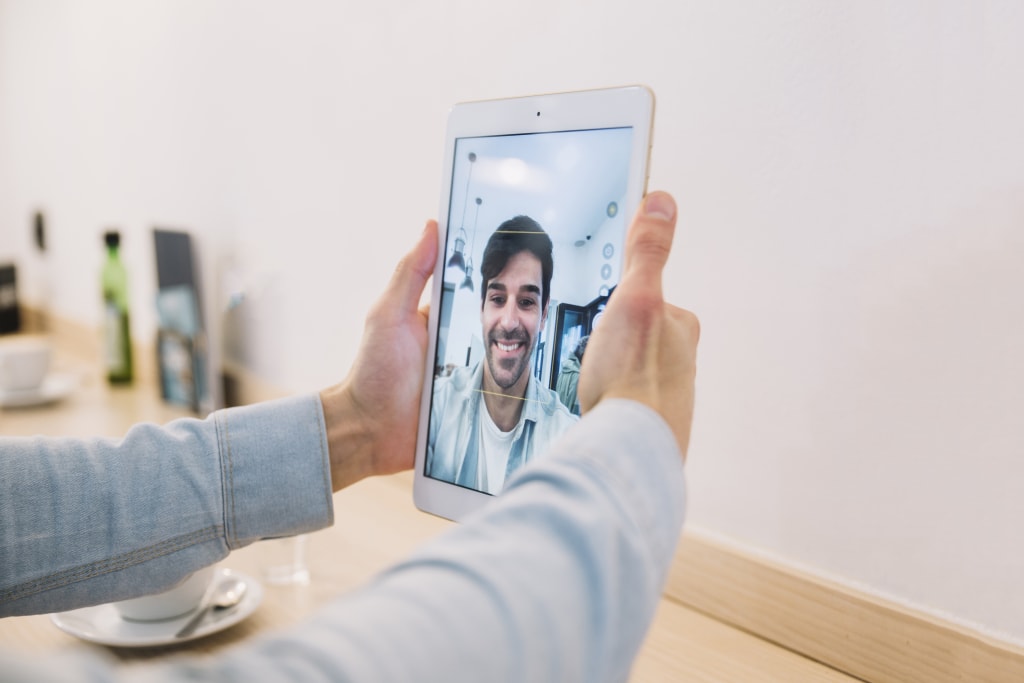
Telemedicine has swiftly transitioned from a specialized service to a fundamental component of contemporary healthcare. The COVID-19 pandemic significantly accelerated its adoption, underscoring its transformative potential. By harnessing technology, telemedicine provides a convenient, cost-effective, and efficient method for delivering medical services. This shift has made healthcare more accessible, especially for those in remote or underserved areas.
The pandemic highlighted the necessity of telemedicine, demonstrating its ability to maintain continuity of care while minimizing physical contact. As a result, telemedicine has become an essential tool in the healthcare industry, offering solutions that address both immediate and long-term needs. This blog delves into the future of telemedicine, examining its rapid rise and substantial impact on healthcare delivery and patient outcomes. By exploring these aspects, we can better understand how telemedicine is reshaping the healthcare landscape and what it means for the future of medical care.
Top Statistics for the Future of Telemedicine in Healthcare
Understanding the potential of telemedicine requires a look at some compelling statistics:
1. Market Growth: The global telemedicine market is projected to reach $185.6 billion by 2026.
2. Patient Adoption: Approximately 76% of U.S. hospitals use telehealth to connect with patients and consulting practitioners.
3. Cost Savings: Telemedicine can reduce healthcare costs by up to 30% by minimizing hospital visits and optimizing resource use.
4. Access to Care: Telemedicine has the potential to provide healthcare access to over 60 million Americans living in rural or underserved areas.
5. Patient Satisfaction: Studies show that 87% of patients who used telemedicine were satisfied with the experience and would use it again.
The Rise of Telemedicine
The concept of telemedicine dates back to the early 20th century when radio was used to provide medical advice to ships at sea. However, the digital revolution has vastly expanded its capabilities and reach. Today, telemedicine leverages advanced technologies like high-speed internet, smartphones, and sophisticated medical software to deliver healthcare services remotely. Several factors have contributed to the rise of telemedicine: technological advancements, regulatory support, and increasing consumer demand for convenient healthcare options.
1. Technological Advancements: The proliferation of smartphones, high-speed internet, and advanced medical software has made telemedicine more accessible and reliable.
2. Regulatory Support: Governments and healthcare organizations have increasingly recognized the value of telemedicine, leading to supportive policies and reimbursement models.
3. Consumer Demand: Patients are seeking more convenient and flexible healthcare options, driving the demand for telemedicine services.
4. Pandemic Influence: The COVID-19 pandemic necessitated social distancing, making telemedicine a vital tool for continuing medical care without physical contact.
Impact of Telemedicine on the Healthcare Industry
Telemedicine has had a profound impact on various aspects of the healthcare industry:
1. Access to Care: Telemedicine bridges the gap between patients and healthcare providers, especially in rural and underserved areas. It ensures that patients receive timely consultations and follow-ups without the need for long-distance travel.
2. Cost Efficiency: By reducing the need for physical infrastructure and administrative overhead, telemedicine lowers the overall cost of healthcare delivery. Patients also save on travel expenses and time off work.
3. Chronic Disease Management: Telemedicine is particularly effective in managing chronic conditions such as diabetes, hypertension, and mental health disorders. Regular virtual check-ups and remote monitoring improve patient adherence to treatment plans and outcomes.
4. Emergency Care: Telemedicine enables quick consultations with specialists during emergencies, potentially saving lives by providing immediate medical advice and intervention.
5. Patient Engagement: Virtual consultations and remote monitoring tools empower patients to take an active role in their healthcare, leading to better health outcomes and higher patient satisfaction.
Conclusion
Telemedicine represents a viable and sustainable future for U.S. healthcare, far beyond a temporary solution. Its capacity to enhance access, lower costs, and improve patient outcomes makes it an essential component of modern healthcare. By providing remote consultations and continuous monitoring, telemedicine bridges the gap for patients in underserved areas, ensuring they receive timely and effective care. As technology continues to evolve and supportive policies are put in place, telemedicine's role in healthcare delivery will only grow more significant. This advancement not only addresses immediate healthcare needs but also paves the way for a more efficient and patient-centered healthcare system.
If you’re looking for a reliable telemedicine solution, Technostacks provides comprehensive healthcare solutions tailored to your needs. Contact us today to learn how we can help you leverage technology to enhance patient care and streamline healthcare delivery.
FAQs
1. What is telemedicine?
Telemedicine is the use of digital communication technologies to provide medical care and consultation remotely.
2. How does telemedicine improve access to healthcare?
Telemedicine allows patients to consult with healthcare providers from anywhere, reducing the need for travel and ensuring timely medical attention.
3. Is telemedicine cost-effective?
Yes, telemedicine reduces overhead costs for healthcare providers and patients, making healthcare more affordable.
4. Can telemedicine be used for chronic disease management?
Absolutely. Telemedicine is highly effective in managing chronic conditions through regular virtual check-ups and remote monitoring.
5. How secure is telemedicine?
Telemedicine platforms use advanced encryption and security protocols to ensure patient data privacy and security.
6. How can Technostacks help with telemedicine solutions?
Technostacks offers cutting-edge telemedicine platforms that enhance patient care and streamline healthcare delivery. Contact us to learn more.
Our Case Study:
References:
- Market Research Future
- American Hospital Association
- Health Affairs
- National Rural Health Association
- Journal of Medical Internet Research
About the Creator
Pooja
Pooja, an experienced Sr. Digital Marketing Strategist fueled by a relentless pursuit of online success. She has possesses a wealth of expertise in areas such as SEO, PPC, and social media marketing, among others.
OWASP Top 10 2025: Key Changes You Should Know
Introduction The OWASP Top 10 list is one of the most widely used security frameworks in the world. Every update represents a shift in the real threats organizations face based on global incident data, community research, and evolving attack patterns. The 2025 edition brings meaningful changes that reflect how modern applications are built, integrated, and deployed.
By Sam Bishop7 days ago in 01
TikTok Outages
## What Are TikTok Outages and Why Are They Happening TikTok outages refer to times when the TikTok app or its features stop working properly for users around the world. These issues can range from parts of the app not loading correctly to complete service interruptions where users cannot access their accounts, load videos, comment, search, or interact with the platform. Recently, thousands of users reported problems early Sunday morning with TikTok not functioning as expected, leaving many confused and frustrated about whether the problem was widespread or just affecting their device. Reports indicated significant user complaints about feeds not refreshing, comments and bookmarks failing to load, and difficulty accessing content across major U.S. cities during the disruption.
By America today 4 days ago in 01




Comments
There are no comments for this story
Be the first to respond and start the conversation.