
Front-End Technologies That Actually Matter in 2025
Learn what front-end technologies and frameworks are the most relevant.
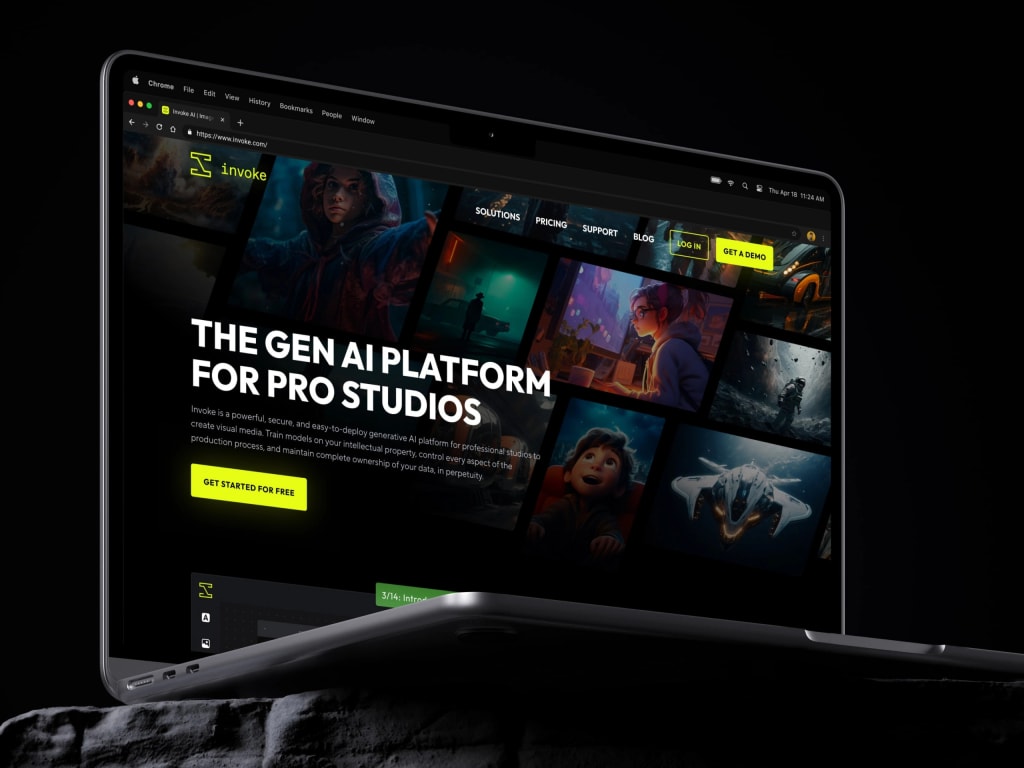
There’s a point in every digital product’s life where a sketch turns into something people can click. That’s the magic of front-end development. It’s what turns abstract design into a living, breathing interface—one that feels fast, looks great, and actually responds.
Before diving into frameworks and libraries, let’s start with something simple: choosing the right web development approach isn’t about hype. It’s about making smart bets that scale. Pick wisely now, and you won’t spend your future rebuilding what you could’ve built right the first time.
The Real Job of Front-End Technologies
Front-end tech isn’t just “the pretty part.” It’s the machinery that shapes how users experience your product. HTML defines what you see. CSS decides how you see it. JavaScript decides how it behaves when you touch it.
That trio—HTML, CSS, and JavaScript—is the holy trinity of web development. Every other fancy framework or build tool is just an extension of these three. Without them, React and Angular are just clever abstractions without a base.
Building Blocks You Can’t Avoid
- HTML is the structural backbone. It’s how browsers understand the hierarchy of your content. HTML5 made it more semantic—and therefore better for accessibility and SEO.
- CSS gives your HTML some dignity. It handles everything from layouts to animations. But maintaining huge CSS files by hand? That’s a recipe for pain. That’s why we have tools like Sass (for logic and variables) and Tailwind CSS (for utility-based styling that scales).
- JavaScript makes your site feel alive. It handles events, state, and logic. But raw JavaScript can get messy, fast. That’s where frameworks come in.
Frameworks: Picking Your Allies
Once you’ve got your basics down, frameworks take you from coding pages to building systems.
- React: Lightweight, component-based, and endlessly flexible. It’s great for dynamic UIs, SPAs, and dashboards.
- Vue.js: Minimalist and approachable. You can drop it into an existing page or build a full app with it.
- Angular: Structured, opinionated, and built for big projects. Think enterprise-level apps with long lifecycles.
There’s no single “best” choice. The right one depends on what you’re building — and who’s building it. A startup might love Vue for its speed; a corporate team might prefer Angular for its rigor.
Styling and Optimization Tools
Modern CSS isn’t about writing endless style sheets. Tools like Sass let you think in variables and functions, while Tailwind CSS lets you build clean designs straight in your markup.
When you’re ready for production, tools like Webpack, Vite, or Parcel take your messy dev setup and bundle it into a fast, optimized app. They’re the quiet heroes — you don’t think about them until something breaks.
The Classics Still Count
It’s easy to get lost in trends, but let’s give credit where it’s due:
- Bootstrap: Still a great choice for prototypes and admin panels.
- jQuery: Not dead yet—it powers millions of legacy sites.
- Three.js: Brings 3D to the browser, perfect for data visualizations or interactive art.
- Flutter: Because sometimes you need one codebase for web, mobile, and desktop.
The point isn’t to use everything. It’s to know why you’re using what you are.
Choosing What’s Right for You
When you’re selecting your stack, there are three things that matter more than anything else:
- Project Type—Don’t build a blog with Angular. Don’t build a SaaS platform with jQuery.
- Team Skillset—Use what your team actually knows. Technology isn’t a flex.
- Scalability—You’ll thank yourself later if your tech can evolve without constant rewrites.
For startups chasing product-market fit, React or Vue.js often hit the sweet spot between flexibility and performance. For enterprise dashboards, Angular or Next.js offer structure and maintainability. For anything data-heavy or immersive, Three.js is worth the math headaches.
What’s Next in Front-End for 2025
The front-end world moves fast—too fast sometimes. But a few trends are here to stay:
- TypeScript everywhere — Static typing has gone mainstream. It saves you from entire classes of runtime bugs.
- Edge and Server Components—Faster rendering, better SEO, smoother UX. The modern web is getting closer to the user—literally.
- AI-assisted development—From generating UI scaffolds to writing CSS, AI tools are turning boilerplate into suggestions.
- Motion design that doesn’t kill performance — Smooth transitions that feel fast without tanking load times are the new frontier of good UX.
If you build with these trends in mind, your product will age gracefully instead of becoming technical debt.
Final Thoughts
Front-end development isn’t just about tools—it’s about decisions. HTML, CSS, and JavaScript are your foundation. Frameworks like React, Angular, and Vue.js help you scale. Build tools like Webpack and Vite keep it all efficient.
If you’re just getting started, master the fundamentals, then expand thoughtfully. The ecosystem will always change; your goal is to stay adaptable.
In the SaaS world, where usability, performance, and design drive adoption, mastering the right tech stack can make or break your product. Explore how front-end technologies shape modern SaaS platforms—and how the right stack turns a good idea into something users actually love.
About the Creator
Keep reading
More stories from Valeriia Shulga and writers in 01 and other communities.
Why Mobile Apps Break When They Start Growing (and How to Build Them So They Don’t)
One of the quiet truths about mobile software is that scalability almost never hurts you at the beginning. Early versions of an app feel fast. Traffic is light, the backend is cooperative, and even questionable decisions don’t cause visible damage.
By Valeriia Shulga3 days ago in 01
The Role of Custom AI Solutions in AI-First Software And Platforms Development in 2026
The software industry has undergone a fundamental shift over the last two years. In 2024, the trend was "AI-enabled." Developers took existing applications—accounting software, email clients, project management tools—and bolted on a chat interface. The core software remained the same; the AI was an accessory.
By ViitorCloud Technologies3 days ago in 01
I was in a Toxic Relationship, with my Workplace
“You got that?” My ex yelled. His hands were balled into fists at his side. At six foot three, he towered over me. A normal person would have been afraid, but I looked up a video of George Lopez repeatedly saying, “I got this,” and showed it to him. I had grown used to this treatment, so much so that I didn’t blink when he ripped the phone from my hand and threw it across the room.
By Jade M.3 days ago in Confessions




Comments
There are no comments for this story
Be the first to respond and start the conversation.