
From Startup to Scale-Up: Mastering the 7-Step B2B Selling Process
A Practical Guide to Building a Scalable B2B Sales Strategy That Drives Growth and Long-Term Success

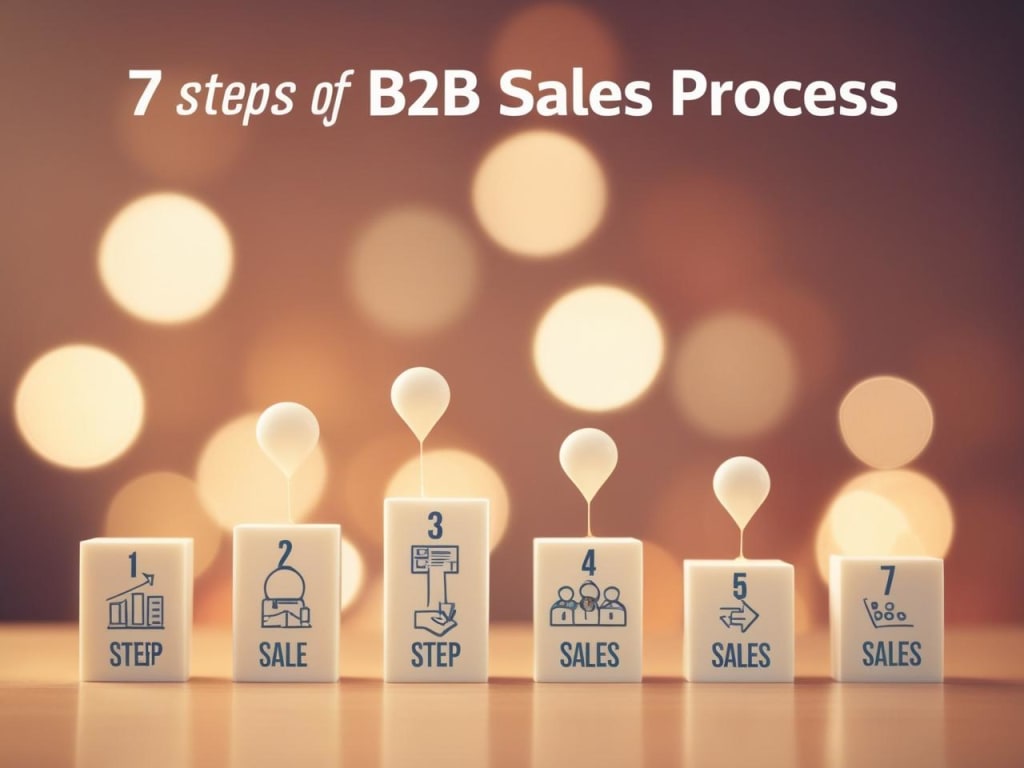
Building a successful B2B business is like navigating a long journey. For startups aspiring to scale, mastering the B2B selling process is the foundation of sustainable growth. A structured sales process helps you attract ideal customers, nurture relationships, and secure lasting deals. Whether you’re starting out or scaling up, this seven-step guide simplifies the path forward.
Understanding the Basics of the B2B Selling Process
The B2B sales process is different from B2C because it’s longer, more complex, and involves multiple decision-makers. A structured approach saves time, improves focus, and ensures you connect with the right clients.
Example: Imagine a startup developing AI-driven analytics software. Without a clear sales process, their efforts might be scattered across industries. By focusing on a clear ideal customer profile (ICP) and following these steps, they can zero in on high-value leads and scale faster.
Key Statistics:
- 77% of B2B buyers say their last purchase was complex or difficult.
- Companies with a formalized sales process achieve 28% higher revenue growth.
Step 1: Prospecting and Lead Generation
The first step involves identifying and attracting potential customers. This is where your ideal customer profile (ICP) comes in—your blueprint for identifying prospects who align with your solution.
Effective Tools for Prospecting:
- LinkedIn Sales Navigator: Identify and engage decision-makers.
- ZoomInfo: Build accurate and targeted lead lists.
- HubSpot CRM: Track and organize leads efficiently.
Pro Tip: Leverage account-based marketing (ABM) to focus on high-value accounts. ABM tailors your marketing and sales efforts to specific businesses rather than casting a wide net.
Case Study: A SaaS startup selling HR tools generated 40% more leads by offering free webinars on recruitment strategies. This attracted HR leaders—precisely their target audience.
Step 2: Research and Qualification
Not every lead is worth pursuing. Research and qualification help you focus on prospects with the highest potential for conversion.
Steps to Qualify Leads:
- Identify their pain points and challenges.
- Check their budget, authority, and decision-making timeline.
- Use lead scoring systems to prioritize prospects.
Example Questions:
- “What challenges are you currently facing in [specific area]?”
- “Who else will be involved in the decision-making process?”
Real-World Application: A startup selling cybersecurity solutions used online surveys to pre-qualify leads. They saved time by prioritizing companies with larger IT budgets and high-security needs.
4. Step 3: Approaching the Prospect
The first impression is crucial. Your approach should be personalized, value-driven, and timed appropriately.
Best Practices for Approaching Prospects:
- Use CRM tools to personalize emails with their name, company, and pain points.
- Avoid generic pitches. Instead, focus on how your solution fits their goals.
- Time follow-ups strategically to keep their interest alive.
Hypothetical Example: A startup offering logistics software sent personalized messages to supply chain managers. By referencing specific inefficiencies in their current system, they increased response rates by 25%.
Step 4: Presenting the Solution
Now it’s time to demonstrate how your solution addresses their pain points. The goal isn’t just to sell features but to highlight value.
How to Make a Winning Presentation:
- Focus on storytelling. Share customer success stories or data-driven results.
- Use visual aids like slides, demos, or infographics to simplify complex ideas.
- Address their specific challenges directly.
Case Study: A startup selling project management tools conducted a live demo for a prospective client. They highlighted how the tool saved 30% of project management time for similar companies. The prospect signed up for a two-year plan immediately.
Step 5: Handling Objections
Objections aren’t roadblocks—they’re opportunities to understand your prospect better. Handling them skillfully builds trust and credibility.
Common Objections and Responses:
- “This is too expensive.”
- Response: “I understand. Let me show you how our solution delivers ROI by saving you time and resources.”
- “We already have a solution.”
Response: “That’s great. Could you share what you like about it and where it falls short? We might fill those gaps.”
Pro Tip: Keep a record of frequently asked objections and your best responses. Use these insights to refine your pitch over time.
Step 6: Closing the Sale
Closing the deal is the culmination of all your efforts. Ensure you make the process seamless and confidence-inspiring.
Effective Closing Techniques:
- Assumptive Close: “Shall we set up onboarding for next week?”
- Urgency Close: “This special offer ends next Friday—let’s finalize today to lock in the savings.”
- Summary Close: “To recap, here’s what you’ll get when you sign up today…”
Real-World Application: A SaaS startup selling customer support software closed deals faster by using clear, concise contracts. They also offered month-to-month plans to reduce initial commitment concerns.
Step 7: Follow-Up and Relationship Management
The sales process doesn’t end with closing—it’s just the beginning. Building strong relationships ensures retention, loyalty, and opportunities for upselling.
Best Practices for Follow-Up:
- Send personalized thank-you notes after closing.
- Offer exclusive content, such as training or webinars, to keep adding value.
- Use CRM tools to track customer satisfaction and identify upselling opportunities.
Case Study: A tech company selling cloud solutions retained 85% of customers by conducting quarterly check-ins. They used these sessions to ensure their clients were achieving desired outcomes.
Additional Insights and Tools
Key Statistics:
- 57% of the buyer’s journey is completed before speaking to a salesperson.
- 65% of B2B companies say nurturing leads is their biggest challenge.
Top Tools for B2B Selling:
- Salesforce (CRM)
- Calendly (Scheduling)
- Gong.io (Sales insights and analytics)
FAQs
What if my ICP changes as I scale?
Revisit your ICP regularly. Scaling often means entering new markets or industries. Adjust your focus accordingly.
How can I shorten my sales cycle?
Use automation tools, pre-qualify leads effectively, and focus on high-value prospects to speed up the process.
Conclusion
Scaling from startup to scale-up demands mastering the B2B selling process. By following this 7-step framework, you can attract ideal customers, close deals efficiently, and build lasting relationships. Each step builds on the last, creating a roadmap for sustained growth.
About the Creator
Teqo Solutions
Teqo Solutions is a leading B2B lead generation agency that helps businesses accelerate their sales pipeline and achieve measurable growth. Specializing in targeted lead acquisition, data-driven strategies, and customized outreach campaigns
Keep reading
More stories from Teqo Solutions and writers in 01 and other communities.
The Roi of Small Business Automation: Is It Time for Your B2b Company to Scale?
Introduction In today’s fast-paced business world, small businesses face increasing pressure to keep up with demand while maintaining efficiency. For B2B companies, automation can be the key to scaling operations and staying competitive. But how do you know if it’s the right time for your business to embrace automation? And more importantly, what’s the ROI of automation for small businesses?
By Teqo Solutionsabout a year ago in 01
Customized Modular Systems for Asphalt Hot Mix Plant Efficiency
Asphalt mixing plant manufacturers are developing customized modular material handling integration systems for asphalt hot mix plants tailored to varying production capacities. These systems are designed to meet specific production process demands, enhancing overall integration efficiency. By focusing on customization, manufacturers improve operational flexibility and ensure that asphalt production aligns with the individual requirements of each project, ultimately leading to better performance and resource optimization.
By Macroad Asphalt Plantabout 12 hours ago in 01




Comments
There are no comments for this story
Be the first to respond and start the conversation.