
From Shades of Gray to a World of Colors: The Evolution of Black and White Photo Colorizer
The Evolution of Black and White Photo Colorizer
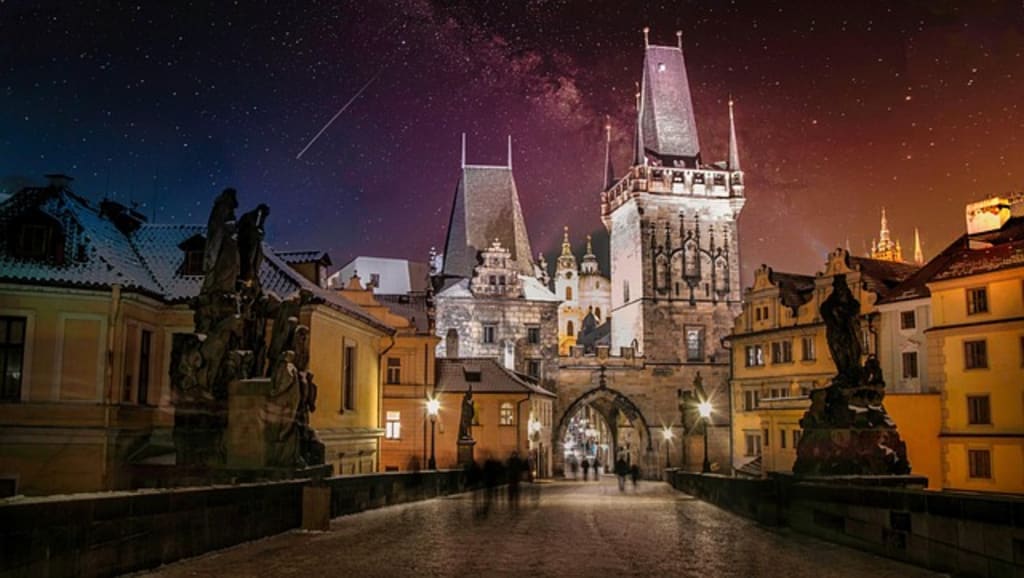
Black and white photographs have a timeless charm that captures the essence of bygone eras. However, the absence of color often leaves us longing to experience the vibrancy and richness of the past. Thanks to advancements in technology, we now have the remarkable ability to transform these monochrome images into vibrant, colorized representations. In this article, we explore the fascinating evolution of black and white photo colorizer, its impact on our perception of history, and the techniques behind the process.
The Birth of Black and White Photo Colorization
The art of adding color to black and white photos dates back to the early 20th century, when artists and craftsmen meticulously hand-painted monochrome images to breathe life into them. These skilled artisans painstakingly applied pigments to each photo, often requiring hours of intricate work. However, with the advent of digital technology, the process of black and white photo colorization underwent a revolutionary transformation. Today, we rely on sophisticated algorithms and machine learning techniques to analyze, interpret, and add realistic colors to black and white photographs, ushering in a new era of photo restoration and storytelling.
The Power of Algorithms and Machine Learning
Modern black and white photo colorizers harness the power of algorithms and machine learning to interpret the grayscale values of black and white images and infer the most probable colors for different elements within the photo. Through extensive training on vast datasets of color images, these algorithms learn the relationships between grayscale values and corresponding colors, allowing them to make accurate predictions. They consider factors such as lighting conditions, object textures, and contextual cues to determine the most plausible colors. As a result, black and white photos are transformed into vibrant representations, evoking a sense of realism and immersion that connects us deeply to the past.
Enhancing Accuracy and Realism
Advancements in black and white photo colorizer technology have focused on enhancing the accuracy and realism of colorization. Researchers and developers continuously refine algorithms to produce colorized images that closely resemble the actual colors present during the time the photo was taken. They take into account historical references, expert knowledge, and user feedback to improve color accuracy. Additionally, techniques such as semantic segmentation and image inpainting are employed to ensure that colors are applied within the appropriate boundaries and blend seamlessly with the surrounding elements. The goal is to create colorized photos that are not only visually appealing but also faithful representations of the original scenes.
Preserving Authenticity and Historical Integrity
One of the primary concerns when colorizing black and white photos is preserving their authenticity and historical integrity. Careful attention is given to research and reference materials to ensure that colors are applied in a manner that aligns with the time period and cultural context of the photograph. Ethical considerations come into play, as colorization should not misrepresent or distort historical facts. Transparency is crucial, and proper documentation of the colorization process, including the original black and white version, should be maintained. By striking a balance between adding colors and preserving the essence of the original image, black and white photo colorizer allows us to experience history in a more engaging and relatable way.
Reviving Emotions and Immersing in the Past
Colorization breathes new life into black and white photos, enabling us to experience the past with heightened emotional connection. The addition of colors evokes nostalgia, as familiar hues bring back memories and create a more intimate connection to the subjects and scenes captured in the photographs. Colorization also helps bridge the gap between different generations, enabling younger audiences to relate to and appreciate historical moments on a deeper level. By immersing ourselves in a world of colors, we gain a renewed understanding and appreciation of the events, people, and stories that shaped our history.
Conclusion
The evolution of black and white photo colorizer technology has transformed our perception of history, allowing us to see the past in a whole new light. By adding colors to monochrome images, we revive emotions, engage with the past on a more personal level, and create a bridge between generations. The sophisticated algorithms and machine learning techniques behind black and white photo colorization continue to evolve, bringing us closer to the day when we can experience history not just through shades of gray, but through a vivid world of colors.
About the Creator
Keep reading
More stories from writers in 01 and other communities.
Top Dating App Development Companies in Saudi Arabia
Introduction The digital dating landscape in Saudi Arabia is expanding rapidly as more people embrace online platforms for social engagement and relationship building. Today’s dating apps require advanced features such as AI-powered matchmaking, secure messaging and video calling, profile verification, geolocation discovery, push notifications, privacy controls, and a seamless mobile experience that meets user expectations.
By Nayel Basim Al Shehhi5 days ago in 01
Wild Card Weekend Recap: What Happens Now?
I think I figured out why I love Wild Card Weekend so much. It's because it's the first playoff anything of the calendar year. The NFL season starts in the fall, and once upon a time, the champion was crowned either on or slightly before New Year's. The evolution of the NFL schedule has resulted in the playoffs starting just into the New Year, and currently, the final week of the season falls on the first weekend of the New Year, with Wild Card Weekend coming a week after that. So yes, chronologically, the NFL's Wild Card Weekend serves as the first playoff anything of the calendar year.
By Clyde E. Dawkins7 days ago in Unbalanced




Comments
There are no comments for this story
Be the first to respond and start the conversation.