
From Idea to IPO: How to Build a Custom Trading Platform That Scales
A 2025 Guide to Developing Secure, Scalable, and Investor-Ready Trading Solutions


Summary:
In 2025, custom trading platforms are reshaping how users interact with financial markets. This blog walks you through how to build a trading platform from scratch from early-stage ideation to scaling for an IPO. You'll learn the steps, challenges, real-life examples, and why FinTech Cybersecurity and UPI payment app development are crucial components. If you’re building a future-ready product, this guide is for you.
Introduction:
Online trading isn’t just for Wall Street anymore. From millennials investing in crypto to seasoned traders monitoring global markets, demand for fast, intuitive, and secure platforms is at an all-time high.
If you're thinking of launching your own custom trading platform, you're entering a booming market. But the journey from idea to IPO involves much more than coding a few trading features. You’ll need regulatory clarity, bulletproof security, UPI payment integration, and a clear path to scalability.
With the right roadmap, tools, and team, your platform could be the next Zerodha, Groww, or Robinhood. This blog breaks down how to make that happen step by step.
Latest Stats (2024–2025):
India’s retail investor base crossed 147 million in early 2025, according to NSE reports.
Trading app users grew by 32% year-over-year, showing strong demand for modern platforms.
The global market for custom trading platforms is expected to hit $18.2 billion by 2026.
UPI transactions in India reached 13.4 billion in March 2025, highlighting the importance of seamless UPI payment integration.
Step 1: Start with a Clear Product Vision
Before you dive into development, define what your custom trading platform will solve. Is it simplifying stock trading for first-time investors? Is it targeting pro traders with real-time analytics?
Think of platforms like Dhan and Angel One they grew by solving specific user pain points. A niche-focused vision not only helps build a better product but also attracts the right investors later.
Key actions:
- Define your user persona (retail investor, trader, institutional).
- List must-have features (watchlists, charts, trade execution).
- Choose the markets to support (equities, commodities, crypto, etc.).
Step 2: Prioritize FinTech Cybersecurity from Day One
Security is no longer optional. In 2024 alone, there were over 1,100 cybersecurity incidents reported in the Indian financial sector, according to CERT-IN.
Your custom trading platform will handle sensitive data PAN numbers, bank accounts, transaction histories. Any breach can destroy user trust and brand credibility.
Top security features to implement:
- End-to-end encryption
- Multi-factor authentication
- Biometric login
- Real-time fraud monitoring
- Secure APIs
Integrate FinTech Cybersecurity standards like ISO 27001 and SOC 2 compliance early in the development process. This won’t just protect your platform — it makes you more appealing to regulators and investors.
Step 3: UPI Payment App Development for Instant Deposits & Withdrawals
Today’s users want speed and UPI delivers exactly that. The average UPI transaction time is under 10 seconds. No one wants to wait 2 days for a bank transfer to reflect in their trading account.
If you’re building for India, UPI payment app development must be integrated into your custom trading platform. Apps like Groww and Paytm Money offer seamless UPI support, which plays a big role in their growth.
Tips for UPI integration:
- Work with a trusted PSP (Payment Service Provider)
- Ensure you meet RBI’s compliance requirements
- Add UPI AutoPay for SIPs and recurring trades
This will make onboarding fast and deposits frictionless exactly what modern traders expect.
Step 4: Choose a Scalable Tech Stack
Your first 1,000 users are just the beginning. If you're aiming for an IPO, your custom trading platform needs to handle millions of users without crashing during high-volume trading hours.
Key components for scalability:
- Microservices architecture for flexibility
- Cloud-based deployment (AWS, GCP, or Azure)
- Load balancing and auto-scaling
- Caching systems like Redis for faster access
- Real-time data streaming (using Kafka or RabbitMQ)
Also, plan for data warehousing from day one. This helps you store trade histories, user logs, and behavioral data all critical for long-term growth and analytics.
Step 5: Comply with Regulatory Requirements
Without SEBI approval in India or SEC compliance in the U.S., your platform won't go far. Licensing and compliance are non-negotiable when building a custom trading platform.
Regulatory steps include:
- Registering as a broker or sub-broker
- KYC/AML checks for every user
- Regular reporting and audits
- Integration with depositories like CDSL/NSDL
For example, Zerodha follows stringent reporting requirements, ensuring they meet SEBI norms. It’s a big part of why they’ve scaled so successfully.
Working with legal experts from day one can help you avoid delays, fines, or platform bans.
Step 6: Build for Mobile-First Experience
In 2025, 82% of trades in India happen via mobile devices. So your custom trading platform must prioritize a flawless mobile experience.
Features mobile traders want:
- Instant notifications for stock alerts
- Easy chart reading on small screens
- UPI-powered deposit system
- Voice-assisted trading (a rising trend)
Apps like Upstox and Paytm Money have grown rapidly by focusing on mobile-first UI/UX. Clean design, minimal latency, and intuitive flows make the difference.
Don’t forget to regularly test your mobile app under different network conditions to ensure reliability.
Step 7: Test, Optimize, and Prepare to Scale
Once your MVP is ready, roll it out in stages. Use beta testing to gather early feedback, fix bugs, and improve the user journey.
Important KPIs to track:
- Daily active users (DAU)
- Conversion rate from signup to first trade
- UPI deposit success rate
- Average trade time
This stage is also where your FinTech Cybersecurity measures are truly tested. Perform regular audits, penetration tests, and vulnerability scans.
By the time you're scaling up, you’ll have a proven, secure, and user-friendly custom trading platform ready for fundraising and beyond.
Conclusion:
Building a custom trading platform from scratch is a high-stakes journey. From defining your niche to integrating UPI payments and meeting regulatory standards, every step matters. But with the right approach and a secure, scalable architecture, your platform can go from idea to IPO.
Remember, security and user experience are your two biggest assets in 2025. Integrate FinTech Cybersecurity protocols, focus on mobile usability, and make transactions seamless with UPI payment app development.
Looking to launch a powerful, scalable, and compliant custom trading platform?
Contact Highen Fintech our experts specialize in building trading apps that are fast, secure, and built to scale with your business.
About the Creator
Highen Fintech
Highen Fintech builds smart, secure fintech solutions using AI, blockchain, and digital banking.We help businesses streamline payments, enhance security, and drive digital growth.
For more updates follow our official website HighenFintech.
Keep reading
More stories from Highen Fintech and writers in 01 and other communities.
Future of Fintech: Emerging Trends in Finance Technology and More
Summary The Future of Fintech is evolving faster than ever, with key advancements in transaction processing systems, AI, cloud banking, and fintech web development. This blog explores the biggest trends shaping 2025 from personalized financial services to secure digital banking platforms. With real-world examples and 2024-2025 data, we’ll walk through what matters now and how fintech companies can stay ahead.
By Highen Fintech9 months ago in 01
Asia Pacific Prebiotics Market Size and Forecast 2025
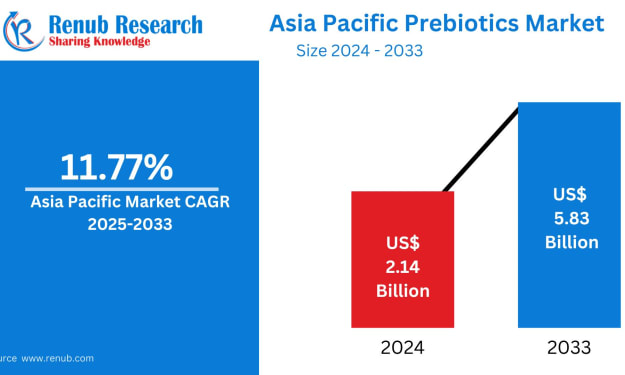
Asia Pacific Prebiotics Market: A Region Poised for Gut-Health Revolution The Asia Pacific prebiotics market is entering a transformative decade. With rising health awareness, aging populations, expanding functional food industries, and rapid advancements in biotechnology, prebiotics have become a central ingredient in modern nutrition strategies across the region. According to Renub Research, the Asia Pacific Prebiotics Market is expected to reach US$ 5.83 billion by 2033, growing from US$ 2.14 billion in 2024, at a robust CAGR of 11.77% from 2025 to 2033.
By Janine Root 4 days ago in 01
How to Choose a Web Design Agency for Long-Term Product Growth
If you are looking at a site like a catalog of past work and thinking about hiring a web design agency for B2B and product teams, you are probably already past the phase where “making it look good” is the main problem.
By Valeriia Shulga7 days ago in 01
Smart phones, Humans and Aliens.
WARNING. I will be tapping into one of your favorite creative tensions: The absurdity of humans worshipping their glowing rectangles as if they were tiny oracles. There’s something deliciously poetic about that contradiction, and it lends itself beautifully to an instructive proviso.
By Novel Allen4 days ago in Poets



Comments
There are no comments for this story
Be the first to respond and start the conversation.