
From Hacks to Heroes - Celebrating World Password Day!
World Password Day is observed annually on the first Thursday of May to promote better password habits and raise awareness about the importance of strong password security. In this year, World Password Day is observed on 04th May, 2023. This article aims to provide you with useful information and tips on how to create, manage, and protect your passwords, as well as to explore the latest trends and innovations in password security.

World Password Day is observed annually on the first Thursday of May to promote better password habits and raise awareness about the importance of strong password security.
In this year, World Password Day is observed on 04th May, 2023. As technology advances, the need for strong and secure passwords becomes increasingly important.
Today, more and more of our personal and business information is stored and accessed online, and weak passwords can lead to serious security breaches and data theft.
This article aims to provide you with useful information and tips on how to create, manage, and protect your passwords, as well as to explore the latest trends and innovations in password security.
Introduction to World Password Day:

World Password Day is an annual event held on the first Thursday of May that highlights the importance of strong and secure passwords. The day was first observed in 2013, and since then, it has become a global initiative to raise awareness about the risks of weak passwords and the need for better password hygiene.
In this article, we will discuss why passwords matter, the common mistakes people make with passwords, and how to create and manage strong passwords.
Importance of Strong Passwords:
Why Passwords Matter?

Passwords are the first line of defense against cyber-attacks and protect our personal and sensitive information from falling into the wrong hands.
Passwords are used to access our email accounts, social media profiles, online banking, and other digital services that contain a wealth of personal data.
Without passwords, anyone could gain unauthorized access to our accounts and steal our information.
The Risks of Weak Passwords:
Weak passwords are easy to guess or crack, leaving our online accounts vulnerable to hacking attempts. Common tactics used by hackers include brute force attacks, dictionary attacks, and phishing scams.
With these methods, hackers can easily guess your password by trying out commonly used and weak passwords like "password," "123456," or "qwerty."
The Consequences of Password Breaches:

If a hacker successfully guesses your password, they can gain access to your personal data, which may include financial information, medical records, or private messages.
The consequences of a password breach can be severe and may result in identity theft, financial loss, or reputational damage. Therefore, it's essential to take password security seriously and use strong and unique passwords for each account.
Common Password Mistakes to Avoid:
Reusing Passwords Across Multiple Accounts:
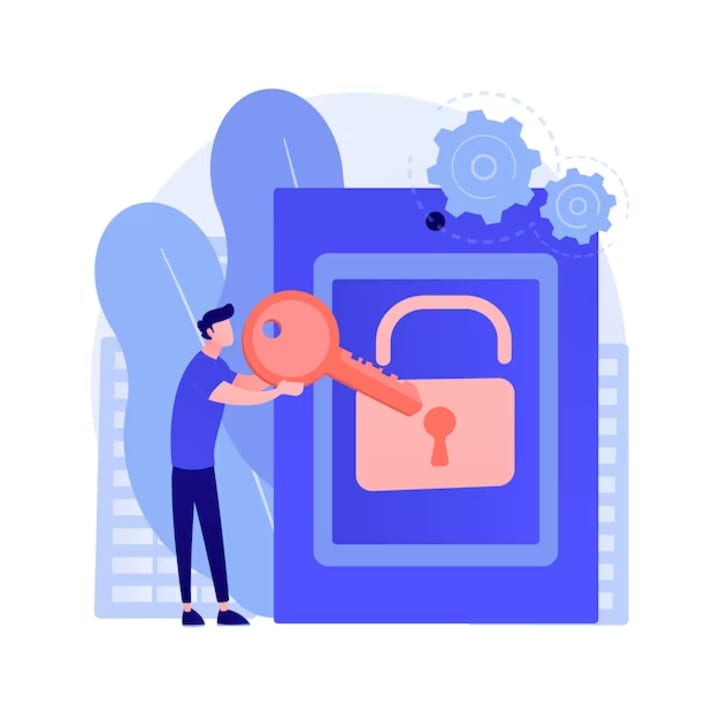
One of the most common password mistakes is reusing the same password across multiple accounts. If a hacker manages to crack one of your passwords, they can gain access to all your other accounts that use the same password. This mistake is especially dangerous if you use the same password for your email account or online banking.
Using Passwords That Are Easy to Guess:
Another common mistake is using passwords that are easy to guess, such as your name, your pet's name, or your birthdate. These passwords are easy to guess using basic social engineering techniques and can put your accounts at risk.
Storing Passwords in Unsecure Places:
Many people store their passwords in unsecure places, such as a notebook or a post-it note. This practice is dangerous as anyone who has access to your physical workspace can easily steal your passwords. Similarly, storing passwords on your computer without encrypting them is also risky as hackers can easily find and use them.
How to Create and Manage Secure Passwords?
Choosing Strong Passwords That Are Hard to Crack:
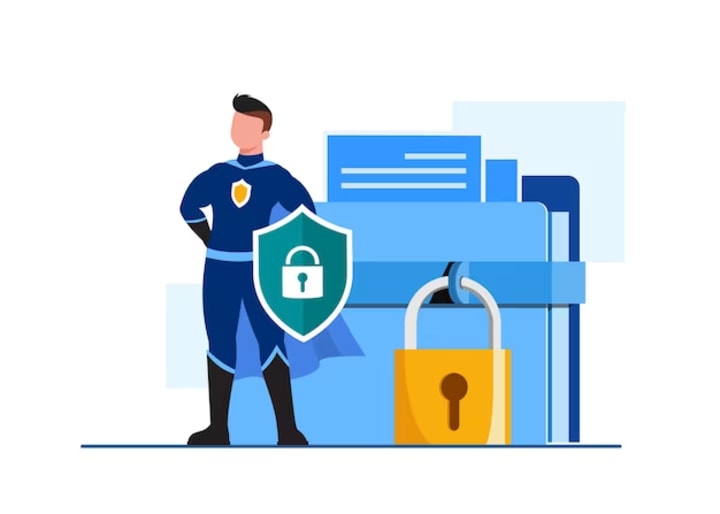
Choosing strong passwords is the first step towards better password hygiene. A strong password should be at least 12 characters long and contain a combination of upper and lowercase letters, numbers, and special characters. Avoid using common dictionary words or personal information that can be easily guessed.
Creating Unique Passwords for Each Account:

Creating unique passwords for each account is essential in case one of your passwords gets compromised. Using a password manager can help you generate and store complex passwords for each of your accounts, making it easy to manage and remember all your passwords.
Using Password Generators and Password Managers:
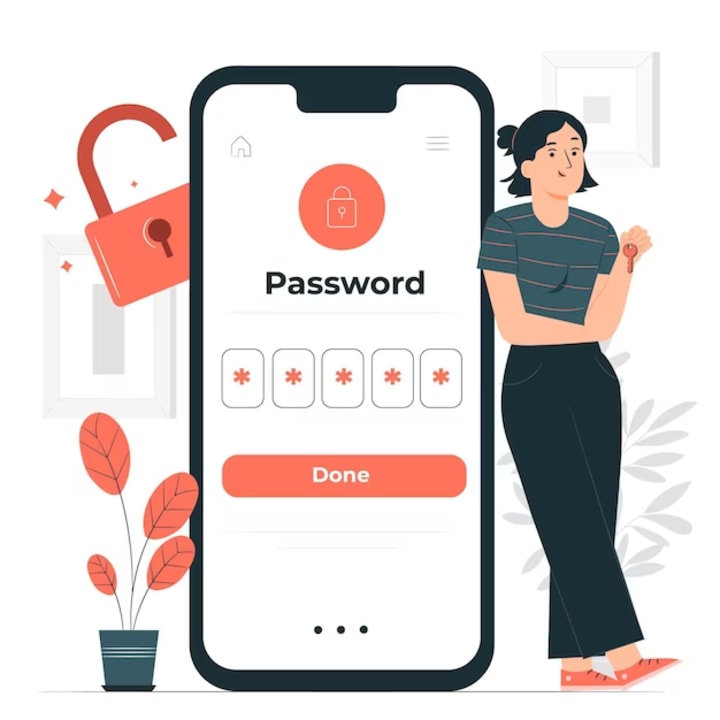
Password generators and password managers are tools that can help you create and manage strong passwords.
Password generators can create complex passwords on your behalf, while password managers can store your passwords securely and help you manage them across multiple devices.
These tools can also automatically fill in your login credentials on websites and mobile apps, making it easy to log in without typing your password every time.
Two-Factor Authentication: An Extra Layer of Security:

Two-factor authentication (2FA) is an additional security layer that requires users to provide two forms of evidence to gain access to their accounts. This can be in the form of a password and a unique code sent to their phone or email as a second factor.
How Two-Factor Authentication Works?
When a user turns on 2FA, they will be prompted to provide their username and password as usual. After that, they will be asked for another form of verification, such as a code sent to their phone. This code will only be valid for a short period of time before expiring.
Benefits of Two-Factor Authentication:
By requiring a second form of verification, 2FA adds an extra layer of security that can help prevent unauthorized access to accounts. It can also prevent hackers from accessing accounts even if they've somehow managed to obtain the user's password.
Implementing Two-Factor Authentication for Your Accounts:
Many online services and accounts offer 2FA as an option. Users can typically turn it on in their account settings or security options. It's important to choose a second factor that is both convenient and secure, such as a trusted device or email address.
Password Managers: Pros and Cons:
What Are Password Managers?
Password managers are software programs that store and manage passwords for multiple accounts. They can generate strong passwords that are difficult to crack, and users only need to remember one master password to access all of their other passwords.
How Password Managers Work?
When a user creates an account and sets a password, the password manager will store this information in an encrypted database. When the user needs to log in, the password manager will automatically fill in the username and password fields.
Benefits and Drawbacks of Password Managers:
Benefits:
Password managers can make it easier to use unique, complex passwords for each account, and reduce the risk of using the same password across multiple accounts.
Drawbacks:
However, they can also be vulnerable to hacking if the master password is weak or the password manager database is compromised. It's important to choose a reputable, secure password manager and use a strong master password.
Password Hygiene: Best Practices for Individuals and Companies.
Regularly Changing Passwords:

One of the most basic password hygiene practices is to regularly change passwords. This can help prevent unauthorized access to accounts, especially if a password has been compromised.
Training Employees on Password Security:
Companies should provide training to employees on the importance of password security, such as avoiding easily guessable passwords and not sharing passwords. This can help prevent breaches and protect sensitive information.
Implementing Password Policies and Procedures:
Companies should also have clear password policies and procedures in place. This can include guidelines for password strength, how often passwords need to be changed, and how passwords should be stored and shared.
Future of Passwords: Trends and Innovations.
New Password Technologies on the Horizon:

There are new password technologies on the horizon, such as biometric authentication (using fingerprints or facial recognition) and one-time passwords sent via push notifications.
Biometric Authentication and Passwordless Login:

Biometric authentication can help make login processes more seamless and secure, as users don't need to remember or type in passwords. Passwordless login is also becoming more common, where users can access accounts through email or mobile devices without needing a password.
The Potential of Blockchain for Password Security:

Blockchain technology has the potential to improve password security by storing encrypted passwords in a decentralized, secure database. This can help prevent data breaches and provide more control to users over their own data.
Conclusion:
In conclusion, World Password Day serves as a reminder that strong password security is vital in today's digital age. By following best practices and staying informed about the latest trends and innovations in password security, individuals and businesses can better protect themselves against cyber threats and keep their valuable information safe.
Remember, taking a few simple steps now can go a long way in ensuring the security of your online accounts and personal data.
In summary, World Password Day is a reminder to take password security seriously and use strong and unique passwords for each account. By following the tips discussed in this article, you can improve your password hygiene and protect your personal and sensitive information from falling into the wrong hands.
About the Creator
Keep reading
More stories from Gopinath.R and writers in 01 and other communities.
Defending Against Cyber Threats: A Comprehensive Guide to Cybersecurity!
Introduction: In today's digital age, the internet has become an integral part of our lives. We use it for everything, from online shopping to social media, from banking to healthcare, and from education to entertainment.
By Gopinath.R3 years ago in 01
The Growing Interest in VSF Super Clone Watches
Luxury watches have long been associated with prestige, craftsmanship, and engineering excellence. Iconic watchmakers spend decades refining their movements, materials, and designs to create timepieces that are admired around the world. However, the extremely high prices of authentic luxury watches place them far beyond the reach of many enthusiasts. Because of this, conversations about alternative ways to experience luxury watch design have grown in online watch communities.
By charliesamuel4 days ago in 01
7 Gamification Patterns That Boost EdTech Retention
The challenge for Education Technology in 2026 is high. It is no longer about just delivering content. The real goal is to sustain the "will to learn." Digital fatigue has reached new heights this year. The focus keyword is 7 Gamification Patterns That Boost EdTech Retention. This phrase represents a vital strategic shift. Product leaders must move from points and badges. They must embrace deep psychological engagement instead. Passive learning is now a dead concept. To survive the current market, platforms must change. They must become active and habit-forming environments.
By Del Rosario4 days ago in 01



Comments
There are no comments for this story
Be the first to respond and start the conversation.