
From Concept to Creation
Understanding Design Technology in Today's World
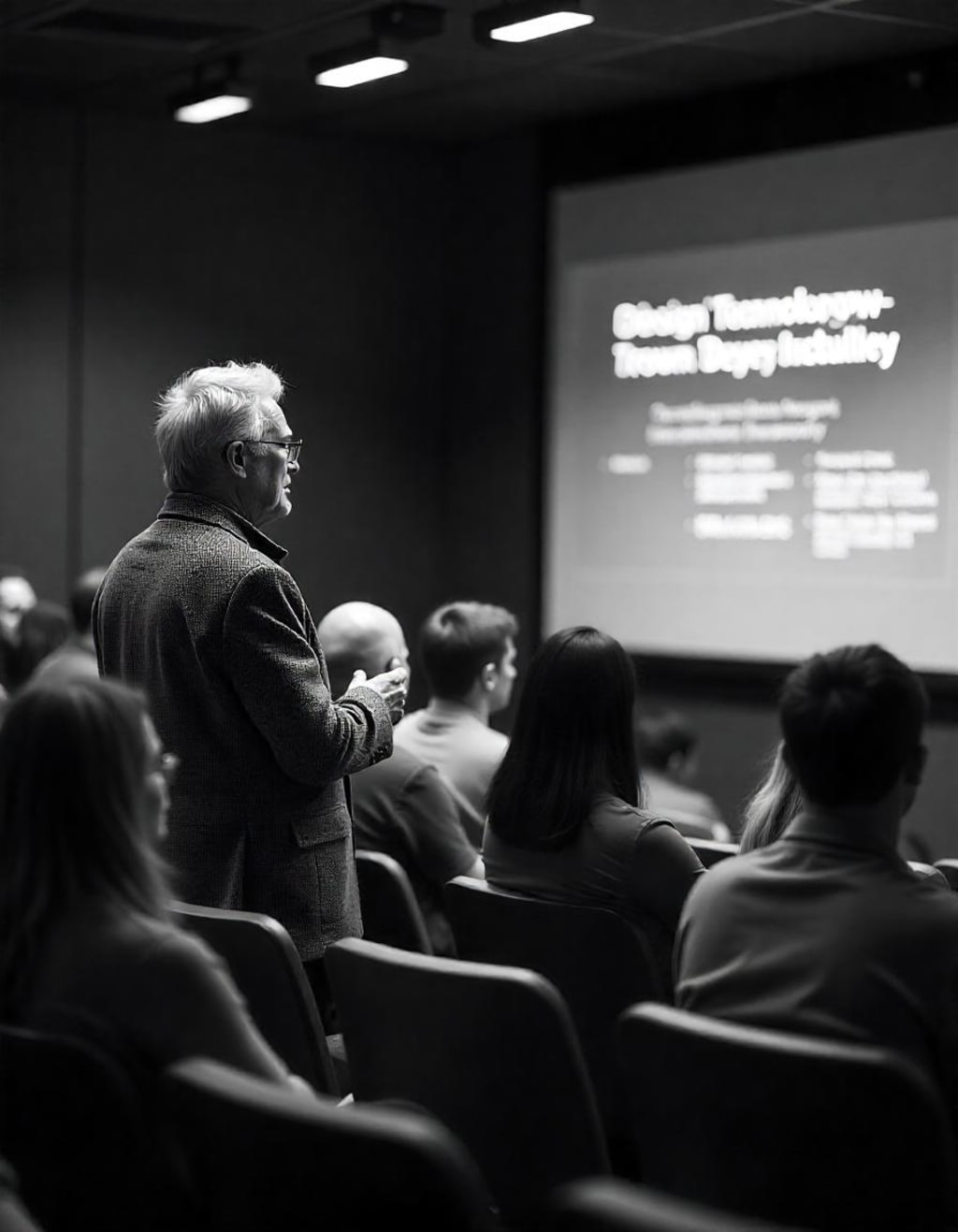
Design technology has become an essential aspect of our world today, transforming the way we approach the creation of products, buildings, and even digital experiences. Whether it's designing a sleek new car, a cutting-edge building, or a trendy outfit, design technology bridges the gap between imagination and reality. Let’s dive into the world of design technology and explore how it works, its impact on various industries, and where it’s heading.
What is Design Technology?
Design technology refers to the tools, methods, and processes used to create and develop new products, structures, or systems. It involves the integration of creativity with engineering principles to bring innovative ideas to life. Whether it's a new consumer product, a building, or a virtual environment, design technology plays a critical role in shaping the world we live in.
The Evolution of Design Technology
Design technology hasn’t always been as advanced as it is today. Early designs were made through basic manual drafting, but with the rise of computers, the entire field evolved. The introduction of computer-aided design (CAD) software in the late 20th century revolutionized how designs were visualized and modified. Since then, we've seen more advanced tools such as 3D printing, VR modeling, and AI-driven designs entering the scene.
Key Components of Design Technology
Design technology is made up of several components, each contributing to the creation of a finished product. Some of the key components include:
Computer-Aided Design (CAD): Software used to create detailed 2D or 3D models of designs.
Prototyping and 3D Printing: Transforming digital models into physical objects for testing and iteration.
Automation and Robotics: Machines and robots that assist in manufacturing and the creation of precise parts.
Sustainability Practices: A focus on making designs that are environmentally friendly and resource-efficient.
These tools are crucial for producing efficient, functional, and visually appealing designs.
How Design Technology Works
At the core of design technology is the process of turning an idea into a physical or digital product. This journey typically involves the following stages:
Conceptualization: Ideas are brainstormed, often using tools like sketching and mood boards.
Design and Development: CAD software helps bring ideas to life in digital form.
Prototyping: 3D printing or other rapid prototyping methods are used to create physical models.
Testing and Iteration: Prototypes are tested, feedback is gathered, and the design is improved.
Final Production: Once the design is refined, it enters the production phase, either digitally or physically.
The Role of Computer-Aided Design (CAD)
CAD has completely transformed the design industry by allowing designers to visualize their ideas in precise detail. It offers the ability to create both 2D sketches and 3D models, enabling greater flexibility and accuracy. CAD has made the process more efficient, as it allows for easy modifications and revisions, significantly reducing the time it takes to get from concept to creation.
Prototyping and 3D Printing in Design
One of the most revolutionary advancements in design technology is the use of 3D printing. This technology allows designers to take their digital models and turn them into physical prototypes quickly and cost-effectively. This makes it possible to test designs in the real world before committing to mass production, allowing for faster iterations and better final products.
The Importance of Iteration in Design
Iteration is a key principle in design technology. It involves refining and improving a design through repeated cycles of testing and feedback. The faster you can test and improve, the more successful the final product will be. Design technology tools like CAD and 3D printing make iteration quicker and easier, enabling designers to experiment with different options until they get it right.
The Impact of Design Technology on Industries
Design technology is not just changing the way products are created—it’s impacting entire industries. Here’s how some key sectors are benefiting:
Design Technology in Manufacturing
Manufacturing has seen huge improvements thanks to design technology. With the use of CAD and automation, manufacturers can streamline their production processes, reduce waste, and create products with greater precision. This leads to cost savings and higher-quality products, which can be produced more efficiently.
The Role of Design Tech in Architecture
In architecture, design technology allows for the creation of more complex and imaginative structures. With tools like CAD and 3D modeling software, architects can experiment with different shapes and materials, leading to innovative designs that push the boundaries of traditional building methods.
Design Technology in Fashion
The fashion industry has also embraced design technology, particularly through digital design and 3D printing. Designers can now prototype clothing faster, experiment with materials in new ways, and even create custom pieces for customers based on their measurements and preferences.
The Future of Design Technology
Looking forward, design technology will continue to evolve, bringing even more possibilities to the table.
Artificial Intelligence in Design
AI is making its way into the design world, offering new opportunities for automation, creativity, and optimization. AI can analyze data and user behavior to create designs that are not only aesthetically pleasing but also functionally superior.
Sustainability in Design Technology
As the world moves toward more sustainable practices, design technology is evolving to create eco-friendly solutions. From using recycled materials to designing products that can be easily disassembled for reuse, sustainability is becoming an integral part of the design process.
Challenges and Opportunities in Design Technology
While design technology has opened many doors, there are also challenges to overcome. These include:
Technological Limitations: Not all tools are available or affordable for every designer or company.
Sustainability Concerns: Not all design tech is environmentally friendly yet.
The Learning Curve: Some design tools can be difficult to master, limiting their widespread use.
However, these challenges also present opportunities for innovation. As technology advances, new solutions are being developed to make design technology more accessible, sustainable, and user-friendly.
Conclusion
Design technology has reshaped the way we think about and create products, from initial concept to final creation. As we continue to push the boundaries of innovation, it will play an even more significant role in industries ranging from manufacturing to fashion to architecture. By understanding and embracing these tools, we can unlock new possibilities and create a better, more sustainable future.
FAQs
What is the most important tool in design technology?
Computer-Aided Design (CAD) software is arguably the most crucial tool in design technology, allowing designers to create and refine their ideas with precision.
How does 3D printing impact design technology?
3D printing allows designers to quickly create physical prototypes, which helps to test and refine ideas before moving into mass production.
What industries benefit the most from design technology?
Industries like manufacturing, architecture, and fashion benefit immensely from design technology, as it helps streamline production processes, innovate design practices, and reduce waste.
How does AI impact design technology?
AI assists in the design process by analyzing user data, optimizing designs, and even suggesting creative solutions based on patterns and trends.
Is sustainability a concern in design technology?
Yes, sustainability is a significant concern. Designers and companies are focusing on eco-friendly practices, such as using recycled materials and designing products with their lifecycle in mind.
About the Creator
Apleetech
Apleetech is a Professional Technology Platform. Here we will provide you only interesting content, which you will like very much. We're dedicated to providing you with the best of Technology, with a focus on dependability and Tech.
Types of Business Plans
Every successful business begins with a plan, but not all business plans are created equal. The entrepreneur launching a tech startup seeking venture capital needs a vastly different document than the small business owner opening a neighborhood bakery with personal savings. Understanding the various types of business plans and when to use each one can mean the difference between securing funding, gaining clarity on your strategy, or wasting weeks creating a document nobody will read.
By Start My Business8 days ago in 01
How to Choose a Web Design Agency for Long-Term Product Growth
If you are looking at a site like a catalog of past work and thinking about hiring a web design agency for B2B and product teams, you are probably already past the phase where “making it look good” is the main problem.
By Valeriia Shulga2 days ago in 01


Comments
There are no comments for this story
Be the first to respond and start the conversation.