
From Burden to Breakthrough: Why Global Tax Reform Is Reshaping the Way Companies Operate
Not many business stories start with tax. But maybe they should.


Right now, something fascinating happens in boardrooms worldwide, from Santiago to Stockholm and Brussels to Bangalore. Once considered a tedious necessity, tax compliance is quickly becoming a driver of innovation, automation, and even competitive advantage.
A global push for digital tax reform is at the heart of this transformation.
If that sounds boring, stick with me. What’s unfolding is a story of tech, trust, and survival, especially for multinational companies navigating a minefield of new regulations.
The Rise of Real-Time Tax
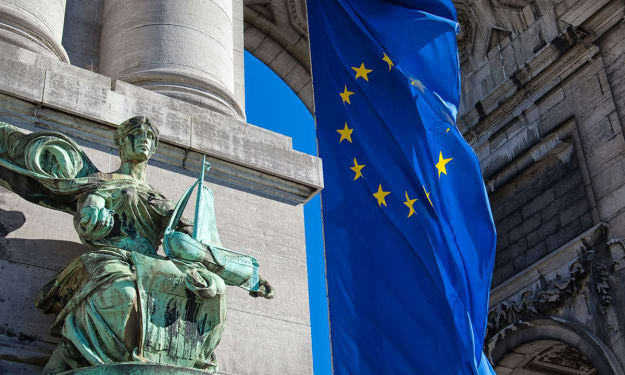
Let’s start in Europe. The EU is preparing to roll out VAT in the Digital Age (ViDA), one of the most significant overhauls of indirect tax rules in decades.
What does it mean? E-invoicing will become mandatory, and businesses must report transactions almost instantly to tax authorities. No more filing reports weeks later and hoping everything adds up. It’s fast, digital, and designed to catch errors and fraud before they happen.
Sounds intense? It is. But it’s also an opportunity.
Companies that modernize their systems early will benefit from faster VAT recovery, fewer audit headaches, and better financial visibility. The old model of compliance is being replaced by real-time insight.
What Chile Got Right
While Europe plans its rollout, countries like Chile are already living in the future.
Chile’s tax authority requires businesses to get real-time approval for every invoice before sending it to a customer. At first, it might sound like a heavy-handed move. However, it has created a more transparent system from which businesses can benefit.
With tax data centralized and digitized, Chilean companies can use it for everything from forecasting to fraud prevention. It’s a clear lesson that tax compliance, done right, can make businesses smarter, not slower.
The Problem with Going Global
Here’s the challenge. Every country is taking a different path when it comes to tax digitization.
India has one system. Saudi Arabia has another. Spain follows its own rules. Each country brings unique formats, timelines, portals, and compliance requirements. It’s like trying to play chess in five languages at once.
For multinational companies, this creates significant operational complexity. You can’t run a global compliance strategy on spreadsheets alone. Businesses need flexible platforms, local expertise, and the ability to adapt fast.
Some are getting ahead by centralizing data, automating reporting, and partnering with compliance technology providers that support multiple jurisdictions.
Why Data Is the Real Game-Changer
At the center of this transformation is one thing: data.
In the past, businesses could get away with messy spreadsheets and last-minute adjustments. Not anymore. With real-time reporting requirements, insufficient data can lead to immediate problems, from regulatory penalties to cash flow disruption.
But there’s good news. Clean, high-quality data gives businesses powerful advantages:
• Automated tax filings with fewer errors
• Faster invoice reconciliation and payment cycles
• Improved decision-making and strategic planning
• Real-time insights into compliance risks and performance
Data is no longer just an IT issue. It is a critical part of a company’s financial resilience.
From Regulation to Resilience
It’s easy to see digital tax reform as just another layer of red tape. However, some companies choose to see things differently.
They use these changes to modernize outdated systems, reduce manual processes, and build more transparent relationships with tax authorities. They are turning compliance into a source of strategic value.
Real-time reporting. E-invoicing. Automation. These are not just requirements. They are opportunities to work smarter.
Where to Begin
If your company is beginning its digital tax journey, here are four practical steps:
1. Audit your systems. Identify whether you’re ready for real-time reporting.
2. Centralize your data. Unified data is key to scalable compliance.
3. Track global regulations. Stay updated on changes in key markets like the EU, LATAM, and Asia.
4. Invest in reliable partners. Look for compliance platforms that are flexible, modular, and globally aware.
Final Thought
The tax world is changing fast. What used to be slow, local, and manual is becoming real-time, global, and automated. Companies that embrace this shift will gain more than compliance. They’ll gain control, clarity, and a competitive edge.
This isn’t just about filing taxes. It’s about preparing for the future.
About the Creator
How to Choose a Mobile App Development Company 2026
The Google ecosystem has completed its transition from an index of pages to a comprehensive map of verified entities. This shift means the Trust Graph now dictates which development firms appear in AI Retrieval results.
By Del Rosarioabout 14 hours ago in 01
Miss Persephone's Manual to a Seemingly Ordinary Life
Miss Persephone was found at the dining table, her blue eyes swollen, her tears arriving and retreating like the tides of the ocean. Earlier that day, her family had visited her in the retirement home where she had lived for eight years. It was her eightieth birthday.
By Imola Tóth6 days ago in Fiction



Comments
There are no comments for this story
Be the first to respond and start the conversation.