
Fleet Management: Benefits of AI and IoT
How AI and IoT are Transforming Fleet Management

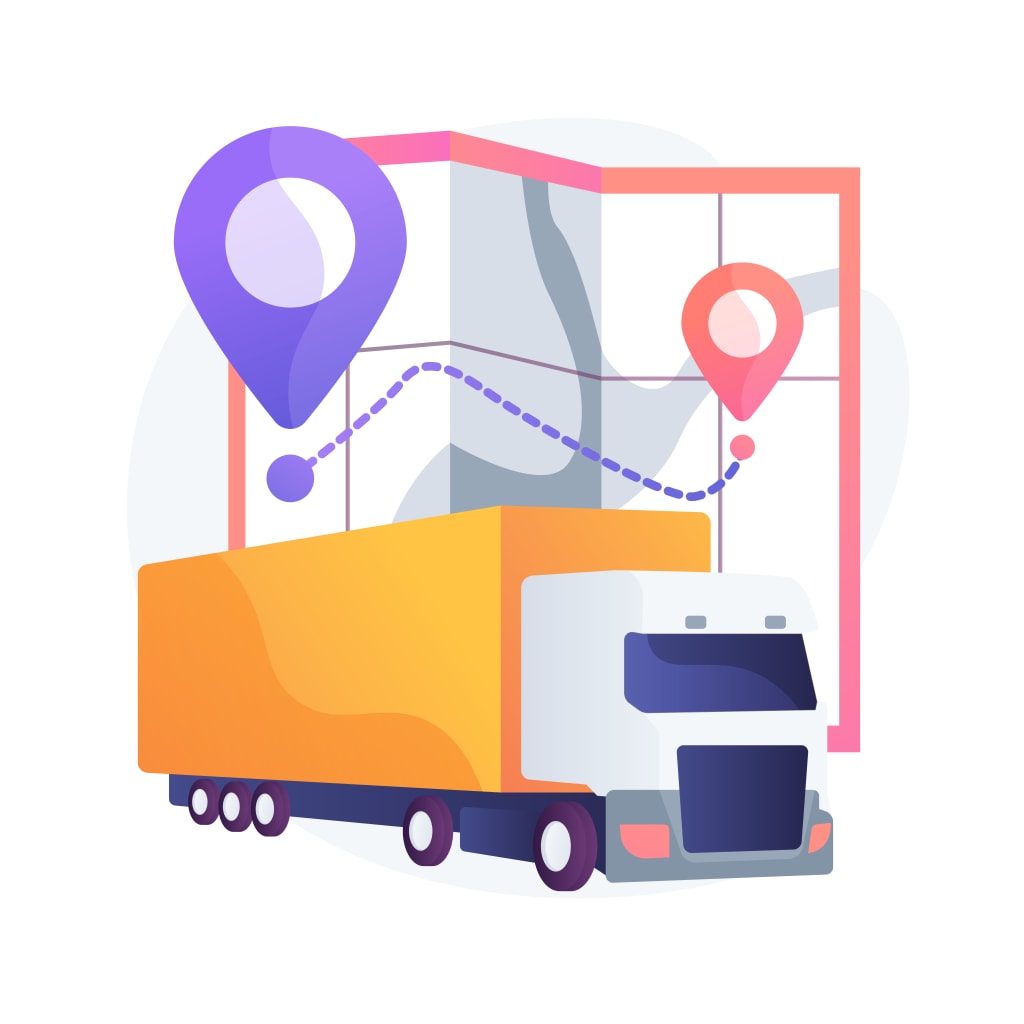
Fleet management refers to overseeing and controlling a company's fleet of vehicles, which can be a complex and time-consuming task. However, it is essential for ensuring a fleet's efficient and safe operation. It has traditionally been a complex and challenging endeavor, requiring meticulous coordination of vehicles, drivers, routes, and maintenance schedules.
In this blog, I'll explore how AI and IoT are reshaping the landscape of fleet management and how it help uncover the numerous benefits that arise from their integration with the transformative impact they have on operations within the industry.
However, the convergence of Artificial Intelligence (AI) and the Internet of Things (IoT) has radically transformed this field. AI and IoT can help with fleet management in several ways, such as:
- AI can be used to collect and analyze data from vehicles and drivers. This data can be used to identify patterns and trends, which can help to improve fleet efficiency and safety. For example, AI can be used to identify drivers at risk of accidents and provide them with training or coaching.
- IoT can be used to monitor vehicles in real time. This information can be used to track vehicle location, fuel consumption, and other essential metrics. This information can be used to improve fleet efficiency and to identify potential problems before they occur.
AI and IoT empower fleet managers to improve their fleets' efficiency, safety, and profitability. By leveraging AI and IoT technologies, fleet management offers unprecedented efficiency, cost savings, and security.
How AI and IoT are Transforming Fleet Management?
AI and IoT play a significant role in transforming fleet management practices. Let's explore some ways in which these technologies are making an impact:
- Vehicle Tracking and Real-time Monitoring: While IoT enables the integration of sensors and GPS devices into vehicles, it maps real-time tracking of their location, speed, fuel consumption, and other parameters. Further, when combined with AI algorithms, this data provides fleet managers with accurate & up-to-date information about their vehicles' status and performance.
- Predictive Maintenance: IoT sensors analyze data installed in vehicles, and AI algorithms detect patterns & anomalies that indicate potential maintenance issues. It helps avoid unexpected breakdowns, reducing downtime & improving operational efficiency. It enables fleet managers to schedule proactive maintenance tasks.
- Route Optimization: AI algorithms help optimize fleet routes based on real-time traffic conditions, weather updates, and historical data. And by considering variables such as distance, fuel efficiency, and delivery time windows, the algorithms generate optimal routes, minimize fuel consumption, reduce travel time, and improve overall productivity.
- Driver Behavior Monitoring: IoT devices such as accelerometers and telematics, in conjunction with AI-powered systems, analyze data to assess driver behavior. It would include monitoring factors like harsh braking, speeding, and idling. Further, fleet managers utilize this information to identify risky driving patterns, provide targeted training, and eventually help improve overall safety on the road.
- Fuel Management: By analyzing fuel consumption patterns, vehicle performance data, and other relevant factors, AI can help identify areas for fuel efficiency improvements. Fleet managers receive recommendations on factors like optimal speed, route selection & maintenance practices to reduce fuel costs and environmental impact.
- Enhanced Safety & Security: IoT sensors and AI ensure fleet security and driver safety. Additionally, IoT-enabled devices enable tracking of vehicle conditions, such as tire pressure or engine health, and provide warnings or alerts for potential safety issues.
- Data-driven Decision Making: AI algorithms help analyze vast amounts of data collected from IoT devices while providing actionable insights. Modern-day fleet managers utilize these insights to make data-driven decisions. It would include vehicle utilization, maintenance schedules, asset allocation, and operational strategies leading to improved efficiency & cost savings.
One of the most essential benefits of IoT for fleet management is fleet tracking. Fleet tracking allows fleet managers always to see where their vehicles are, which can help them improve efficiency by optimizing routes and avoiding traffic congestion. Fleet tracking in IoT can also be used to monitor driver behavior and ensure that they are following company policies. Yet, besides this technology can also be used to monitor driver behavior, ensure compliance with regulations, and provide customers with updates on the status of their deliveries. Overall, IoT is a powerful tool that can offer a wide range of benefits for fleet management, and by implementing such solutions, fleet managers can improve efficiency, reduce costs, increase safety, and enhance customer service.
About the Creator
Ryan Williamson
Tech-savvy professional with 13+ years of experience in app development, leveraging technical knowledge to build strategic partnerships and promote innovative solutions. Passionate about engaging with technical communities, and more.
Keep reading
More stories from Ryan Williamson and writers in 01 and other communities.
Exploring the Benefits of Enterprise Application Modernization
Organizations must quickly adapt to new technological advances to stay relevant and competitive in the ever-changing business landscape. One of the ways for companies looking to transition from their legacy processes and systems to become more agile and efficient is to employ the enterprise application modernization strategy.
By Ryan Williamson2 years ago in 01
How Far Can RS232 Run and How to Extend It Safely?
If you’ve ever tried to connect RS-232 devices over a long distance and encountered data errors, intermittent communication, or unexplained signal noise, you’re not alone. One of the most frequently asked questions in industrial communication is: “What is the maximum distance RS-232 can reliably support?”
By ethernet-networka day ago in 01



Comments
There are no comments for this story
Be the first to respond and start the conversation.