
Features of EHR Software Development: Transforming Healthcare Management
Discover the key features of EHR software development, from patient data management to cybersecurity, that are transforming healthcare delivery and improving patient care.
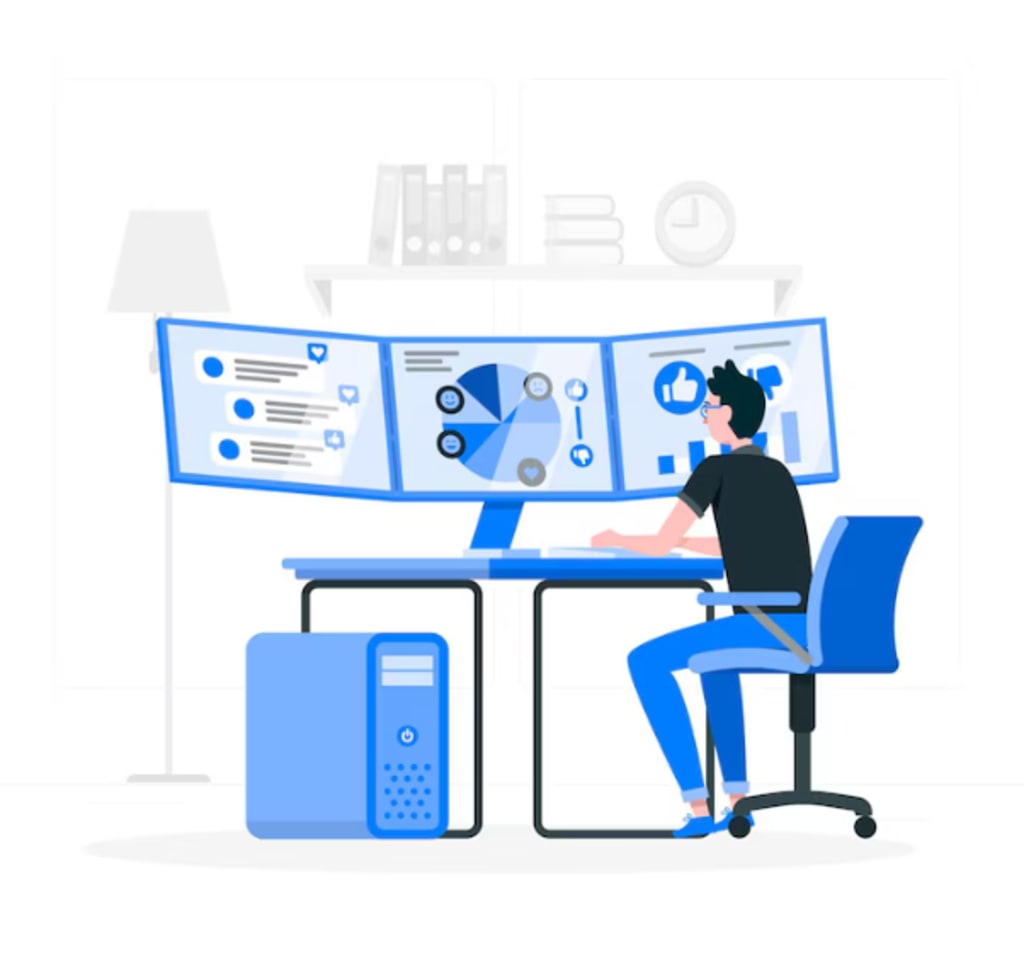
Electronic Health Records (EHR) software is revolutionizing healthcare by digitizing and streamlining patient data management. EHRs are becoming an integral part of healthcare systems worldwide, helping healthcare providers maintain accurate and up-to-date patient records, improve the quality of care, and increase efficiency. As healthcare continues to evolve in the digital age, it’s crucial for organizations to understand the features of EHR software development and how they contribute to better healthcare management. In this article, we will explore the essential features of EHR software development and how they transform healthcare operations.
What is EHR Software?
Electronic Health Records (EHR) software is a digital version of a patient's paper chart. It contains comprehensive patient health information, including demographics, medical history, diagnoses, medications, immunization dates, allergies, and lab test results. EHR systems are designed to share data with other healthcare providers, making them central to ensuring the continuity of care across different providers and systems.
EHR software development focuses on creating systems that improve the management, storage, and sharing of patient data while ensuring that the data is secure, accessible, and compliant with health regulations such as HIPAA (Health Insurance Portability and Accountability Act) in the United States.
Essential Features of EHR Software Development
1. Patient Data Management
At the core of any EHR system is the ability to manage patient data efficiently. This includes the collection, storage, and retrieval of comprehensive patient information, such as medical history, diagnoses, and treatment plans. EHR systems allow healthcare professionals to quickly access patient records, reducing the time spent on administrative tasks and improving decision-making.
Key features related to patient data management include:
- Demographics and Medical History: EHR software should store essential patient details such as age, gender, allergies, and previous medical conditions.
- Clinical Notes and Documentation: The system should allow healthcare providers to input detailed clinical notes about patient visits, symptoms, treatments, and outcomes.
- Medication History: EHR systems should track prescribed medications, dosages, and refills to avoid medication errors.
Benefits:
- Reduces errors due to incorrect or incomplete information
- Facilitates accurate decision-making with comprehensive patient data
- Improves the quality and continuity of care
2. Data Integration and Interoperability
A major feature of EHR software development is the ability to integrate with other systems and share data across healthcare providers and platforms. Interoperability allows for seamless data exchange between hospitals, clinics, pharmacies, laboratories, and other healthcare entities. This ensures that all parties involved in a patient’s care have access to up-to-date information, promoting more informed decision-making and improving patient outcomes.
Key aspects of data integration and interoperability include:
- Integration with Lab Systems: EHRs should be able to retrieve lab test results directly from laboratory systems and store them within the patient’s digital record.
- Prescription Management Systems: Integration with electronic prescription systems can streamline the prescribing process and reduce medication errors.
- Referral Systems: EHR systems can seamlessly refer patients to specialists or other healthcare providers within the network.
Benefits:
- Ensures continuity of care as patient data is accessible across multiple providers
- Reduces errors from duplicate tests, prescriptions, or treatments
- Improves efficiency by automating data exchange
3. Patient Portal and Accessibility
Modern EHR software often comes with a patient portal feature that gives patients direct access to their health records. Patients can use the portal to view test results, request prescription refills, schedule appointments, and communicate with healthcare providers. This feature is not only convenient for patients but also empowers them to take an active role in their healthcare.
Key features of a patient portal include:
- Access to Health Records: Patients can view their medical history, lab results, medications, and allergies.
- Appointment Scheduling: Patients can schedule or reschedule appointments through the portal.
- Secure Communication: Patients can send secure messages to healthcare providers, improving communication between visits.
Benefits:
- Improves patient engagement and satisfaction
- Reduces administrative workload for healthcare providers
- Allows patients to manage their health more effectively
4. Clinical Decision Support (CDS)
Clinical decision support (CDS) is an important feature in EHR software development. CDS tools help healthcare providers make evidence-based decisions by offering real-time clinical guidelines, alerts, and reminders. These systems analyze patient data and provide suggestions based on established medical standards and protocols.
Key aspects of CDS features include:
- Drug Interaction Alerts: EHR systems can provide warnings if a prescribed drug could interact negatively with other medications the patient is taking.
- Diagnosis Support: The system can suggest possible diagnoses based on patient symptoms, history, and test results.
- Preventive Care Reminders: CDS can remind healthcare providers to recommend preventive screenings, immunizations, and health assessments based on patient demographics.
Benefits:
- Improves the accuracy of diagnoses and treatment plans
- Reduces medication errors and adverse drug interactions
- Enhances compliance with clinical guidelines and standards
5. Data Security and Compliance
Data security and patient privacy are paramount in healthcare, and EHR software must adhere to strict security protocols to protect sensitive health data. Healthcare providers are required to comply with regulations such as HIPAA in the U.S. and GDPR in Europe, which mandate the secure storage and transmission of patient data.
Key security features include:
- Data Encryption: Encrypting patient data ensures that sensitive information is protected during transmission and storage.
- Role-Based Access Control: Only authorized healthcare providers can access specific parts of the patient’s health record based on their role and responsibility.
- Audit Trails: EHR systems maintain logs of all access and changes made to a patient’s record, allowing organizations to track who accessed the data and why.
Benefits:
- Ensures compliance with healthcare privacy regulations
- Protects patient data from unauthorized access
- Reduces the risk of data breaches and cyberattacks
6. Customizability and Scalability
Every healthcare organization is unique, and their EHR needs may vary. One of the key features of EHR software development is the ability to customize the software to suit the specific requirements of different healthcare providers. Whether it’s a small practice or a large hospital network, the software should be flexible enough to adapt to the needs of the organization.
Key features related to customizability and scalability include:
- Custom Templates and Forms: EHR software should allow healthcare providers to create custom templates for documentation based on their specialty or practice.
- Scalable Infrastructure: The system should be able to scale as the organization grows, accommodating more users, data, and integration needs.
- Multi-Site Support: For larger organizations, EHR systems should support multiple locations and enable seamless data sharing between them.
Benefits:
- Ensures that the software can grow and adapt with the organization
- Allows customization for specific healthcare practices
- Enhances the user experience by tailoring the system to provider preferences
7. Analytics and Reporting
EHR systems often come with built-in analytics tools that enable healthcare providers to gather insights from patient data. These insights can help identify trends, improve patient outcomes, and optimize operations. For example, healthcare providers can use analytics to track patient outcomes for specific treatments, measure the effectiveness of interventions, or assess the frequency of certain conditions within a population.
Key features include:
- Population Health Management: Analytics can aggregate data to track health trends across specific patient populations, helping healthcare providers identify patterns and risks.
- Performance Metrics: Providers can track key performance indicators (KPIs) such as patient satisfaction, appointment adherence, and treatment success rates.
- Regulatory Reporting: EHR systems can automatically generate reports required for regulatory compliance, such as meaningful use reporting in the U.S.
Benefits:
- Improves the quality of care with data-driven decision-making
- Enhances operational efficiency through performance tracking
- Reduces the administrative burden of regulatory reporting
Conclusion
Features of EHR Software Development play a critical role in transforming healthcare by improving efficiency, accuracy, and patient care. From better data management and integration to enhanced patient engagement and decision-making support, EHR systems offer a wide array of benefits for healthcare providers, administrators, and patients alike. As the healthcare industry continues to adopt digital solutions, the implementation of EHR systems will continue to drive innovation, streamline operations, and ultimately improve patient outcomes.
FAQs
1. What is EHR software?
EHR (Electronic Health Record) software is a digital system used by healthcare providers to manage and store patient information, including medical history, diagnoses, medications, and test results. It improves the efficiency, accuracy, and accessibility of patient data.
2. How does EHR software improve patient care?
EHR software improves patient care by providing healthcare professionals with quick access to accurate, up-to-date information, allowing them to make better-informed decisions, reduce errors, and improve treatment outcomes.
3. Is EHR software compliant with healthcare regulations?
Yes, EHR software is designed to comply with healthcare privacy regulations such as HIPAA in the U.S. and GDPR in Europe, ensuring that patient data is securely stored, transmitted, and accessed only by authorized individuals.
About the Creator
Keep reading
More stories from Stephan Hawke and writers in 01 and other communities.
The Role of Data Analytics in Healthcare App Development
Data analytics has become a cornerstone in many industries, and healthcare is no exception. The integration of data analytics in healthcare app development has the potential to revolutionize patient care, streamline operational processes, and drive more personalized healthcare services. With the rise of digital health tools and mobile healthcare apps, data is being generated at an unprecedented rate. When harnessed effectively, this data can provide valuable insights into patient health, enhance decision-making, and improve overall healthcare outcomes.
By Stephan Hawke12 months ago in 01
Mexico Online Grocery Market Opportunity and Forecast 2025–2033
Introduction Mexico’s grocery retail landscape is undergoing one of the most significant transformations in its history. What was once dominated by neighborhood tiendas, supermarkets, and open markets is now being reshaped by smartphones, digital platforms, and fast-evolving logistics networks. Online grocery shopping—once considered a niche convenience—is quickly becoming an essential channel for millions of Mexican consumers.
By Aaina Oberoi3 days ago in 01
App Development Cost in Wisconsin: What You Need to Know
So, you’ve got a "million-dollar idea" for an app. Great. But before you start dreaming of Silicon Valley exits, we need to talk about the actual bank balance you’ll need to get a dev team in the Badger State to look at your specs. Real talk, building software in 2026 isn't the Wild West it used to be, but it sure isn't cheap.
By Sherry Walkerabout 19 hours ago in 01
Center Stage with Paul Stewart
*** I'm keen to republish the interviews I did for my series with Vocal creators. It's been a few years and I thought it might be nice to revisit these wonderful conversations. I'll be releasing them one at a time for a few weeks/months.
By Heather Hubler5 days ago in Interview




Comments
There are no comments for this story
Be the first to respond and start the conversation.