
Factors Driving Concrete Mixer Plant Price Increases: What Buyers Should Expect in 2025
Navigating the Price Hikes: Key Factors Shaping Concrete Mixer Plant Costs in 2025

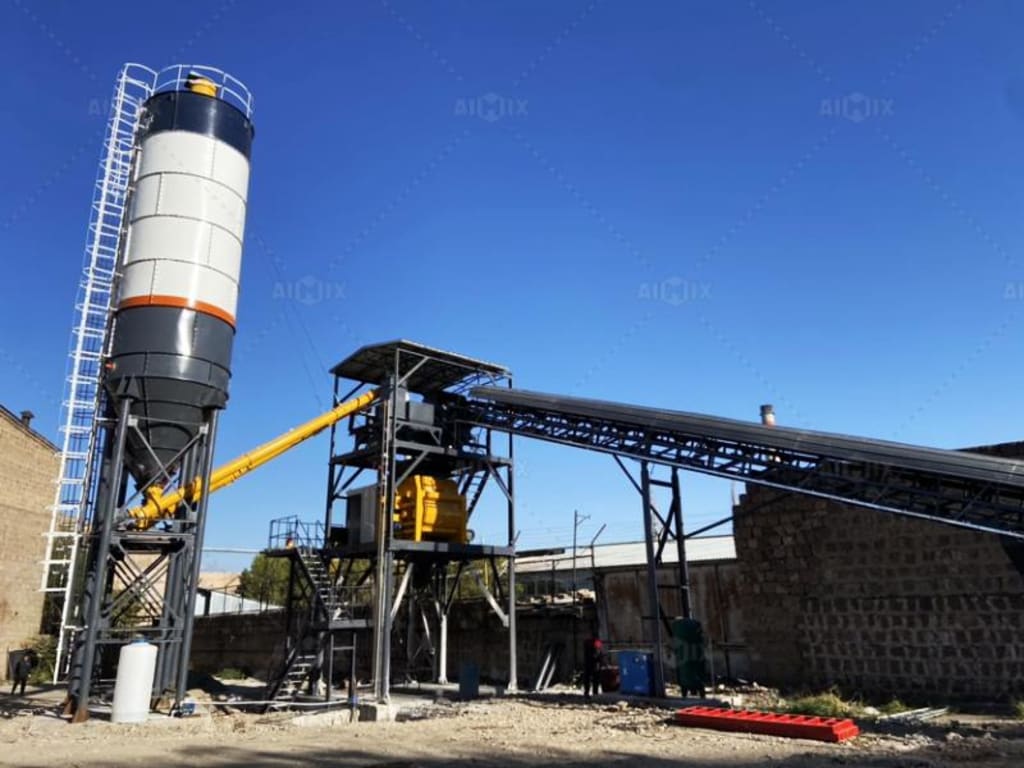
The construction industry is in a constant state of flux, driven by global economic shifts, technological advancements, and changing regulatory landscapes. As we approach 2025, one noticeable trend is the increase in prices for concrete mixer plants. These price hikes are not just a result of inflation; they are influenced by several interconnected factors. For potential buyers, understanding these drivers is crucial for budgeting and making informed purchasing decisions. In this article, we will explore the key reasons behind the expected increase in concrete mixer plant prices and what buyers should anticipate in the coming years.
1. Rising Material Costs
One of the most significant factors driving up the cost of concrete mixer plants is the rising price of raw materials used in their manufacturing. Steel, which is a primary component in the construction of concrete mixers, has seen substantial price increases due to higher global demand and supply chain disruptions. The cost of other metals, such as copper and aluminum, is also on the rise. These metals are used in various plant components, from electrical systems to structural parts.
Additionally, the price of other materials, including rubber, plastic, and various high-performance alloys, is expected to continue rising. As the cost of these materials increases, manufacturers inevitably pass on the price hike to buyers, contributing to the overall increase in concrete mixer plant prices.
2. Supply Chain Challenges
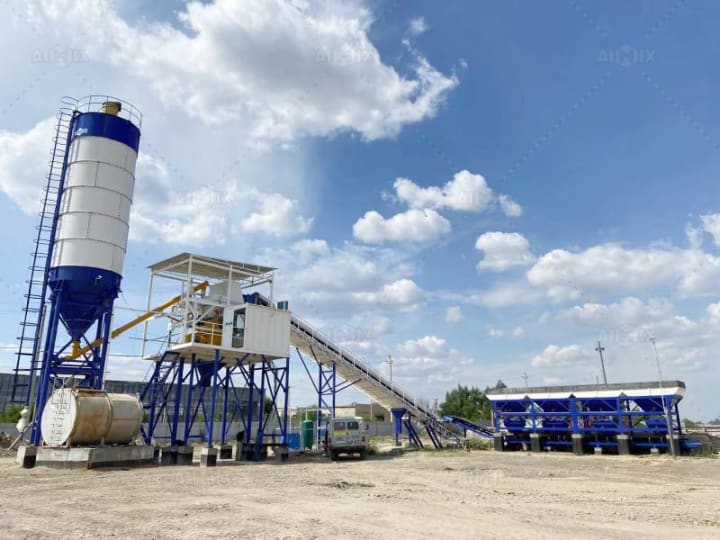
The global supply chain has been under considerable strain for the past few years, and the concrete mixer plant industry has not been immune to these challenges. Disruptions caused by factors such as the COVID-19 pandemic, geopolitical tensions, and labor shortages have resulted in delays and increased costs for sourcing raw materials, components, and finished products.
In 2025, while some supply chain issues may begin to resolve, the lingering effects will likely continue to influence prices. Longer shipping times and higher logistics costs will continue to impact the manufacturing process, further driving up the price of concrete mixer plants. For buyers, this means that purchasing a new concrete plant could become more expensive due to these ongoing supply chain inefficiencies.
3. Technological Advancements and Automation
As concrete mixer plants evolve, technology plays an increasingly important role in improving efficiency, precision, and sustainability. Automation, digital controls, and integration with cloud-based software solutions are becoming standard features in modern concrete batching plants. These technological upgrades, such as automated weighing systems, remote monitoring, and real-time data analytics, offer businesses better control over their operations.
However, the incorporation of advanced technologies comes at a price. While these features enhance plant productivity and offer long-term cost savings, they also contribute to higher upfront costs. As the industry moves toward more sophisticated and automated concrete mixer plants, buyers should expect to see higher prices for plants equipped with these next-generation technologies.

4. Environmental Regulations and Sustainability Initiatives
In recent years, there has been a growing emphasis on sustainability within the construction industry. Concrete mixer plants are no exception, with increasing demand for eco-friendly solutions that reduce carbon footprints and improve energy efficiency. To meet stricter environmental regulations, manufacturers are integrating features such as energy-efficient motors, dust suppression systems, water recycling technologies, and cleaner emissions standards.
While these eco-friendly innovations are crucial for reducing the environmental impact of concrete production, they also increase the cost of manufacturing. The use of sustainable materials, improved energy systems, and compliance with environmental standards all add to the base price of concrete mixer plants. As regulations become even stricter in 2025, buyers should expect to see price increases for plants that meet these higher environmental standards.
5. Inflation and Economic Factors
The broader economic climate also plays a role in the pricing of concrete mixer plants. Inflation, especially in major industrial economies, has contributed to rising costs across all sectors, including manufacturing and construction. Labor costs have also increased as wages rise to keep up with inflation. The cost of energy, which is critical to manufacturing processes, has fluctuated significantly, further adding to overall expenses.
As inflation continues to impact various industries in 2025, the construction sector will likely see further price increases in concrete mixer plants. These cost increases are often inevitable, as manufacturers adjust their pricing to maintain profitability in the face of rising operational costs.
6. Increased Demand and Market Competition
With the global construction industry recovering and growing, the demand for concrete mixer plants has been steadily increasing. More construction projects, including large infrastructure developments and residential/commercial construction, require reliable and efficient concrete mixing solutions. This surge in demand, coupled with limited production capacities and supply chain challenges, has resulted in price hikes.
Moreover, while competition among manufacturers may help to keep prices in check to some degree, the overall demand for high-quality concrete mixer plants will likely outpace supply. As a result, buyers should expect to pay more for new plants, especially those from established and reputable brands known for offering high-quality equipment.
7. Import Tariffs and Trade Policies
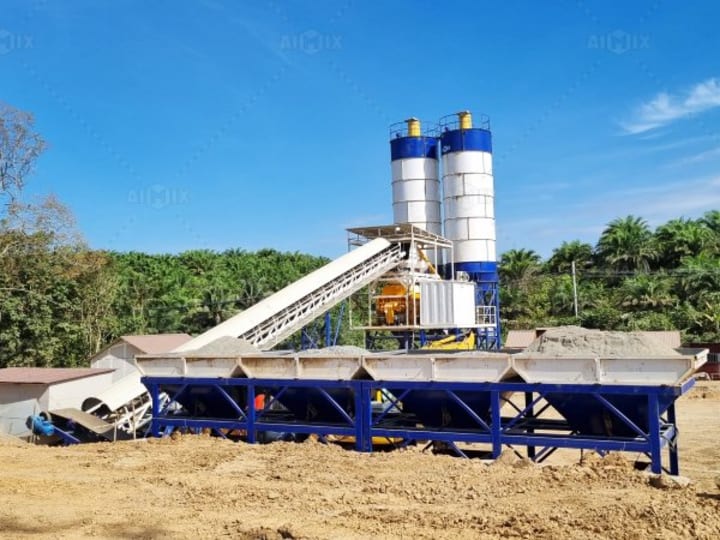
Changes in international trade policies, including import tariffs and taxes on foreign goods, can significantly impact the price of concrete mixer plants, particularly those imported from other countries. In 2025, some regions may experience higher tariffs on machinery and equipment, further driving up prices. While domestic production may mitigate some of these costs, the global nature of the concrete mixer plant market means that trade policies will continue to influence pricing.
Conclusion
The price of concrete mixer plants is expected to rise in 2025 due to a combination of factors, including increased material costs, supply chain challenges, advancements in technology, and stricter environmental regulations. While these price hikes may be frustrating for buyers, they also reflect the industry's commitment to quality, innovation, and sustainability. As construction projects become more complex and the demand for efficient, eco-friendly solutions grows, concrete mixer plants with advanced features and technology will remain essential investments.
For buyers, understanding these factors and preparing for the price increases can help with strategic planning and budgeting. In the long run, the investment in a modern, technologically advanced concrete mixer plant may offer substantial operational benefits, including improved productivity, reduced environmental impact, and greater cost savings.
About the Creator
consrtuctionmachines
AIMIX is a customer-center-oriented heavy equipment manufacturer and supplier, devoted to production, innovation, combination, one-stop solution, etc.
https://aimixgroup.com/
Keep reading
More stories from consrtuctionmachines and writers in 01 and other communities.
Cost Management in Self Loading Concrete Mixer Price
Managing the cost of a self-loading concrete mixer is essential for any construction project. By understanding the factors that influence the price and implementing effective strategies, you can optimize your investment. This article explores cost management in self-loading concrete mixer prices. It provides valuable insights to help you make informed decisions and achieve cost efficiency.
By consrtuctionmachinesabout a year ago in 01
Top 10 SEO Experts in Pakistan 2026
Pakistan continues to establish itself as a key contributor to the global digital marketing industry. By 2026, the country has developed a mature SEO ecosystem that extends well beyond traditional keyword optimization.
By SEO EXPERT IN PAKISTAN 2025about 4 hours ago in 01
Best AR15 Rail Systems for Home Defense, Duty & Range Use
The AR15 platform is renowned for its modularity, and choosing the right rail system—also known as an AR15 handguard or AR15 rail—can significantly enhance performance for specific applications. For home defense, the Aero Precision ATLAS S-ONE stands out as a lightweight, slim M-LOK option that allows quick accessory mounting like lights for low-light scenarios. In duty use, the Midwest Industries Combat Rail excels with its rugged quad-rail design for heavy attachments. For range sessions, the STNGR HWK M-LOK handguard offers excellent value, balancing weight and versatility for extended shooting.
By Ar15handguarda day ago in 01


Comments
There are no comments for this story
Be the first to respond and start the conversation.