
Fact or Fiction: The Science Behind Déjà Vu
By Jay Phoenix
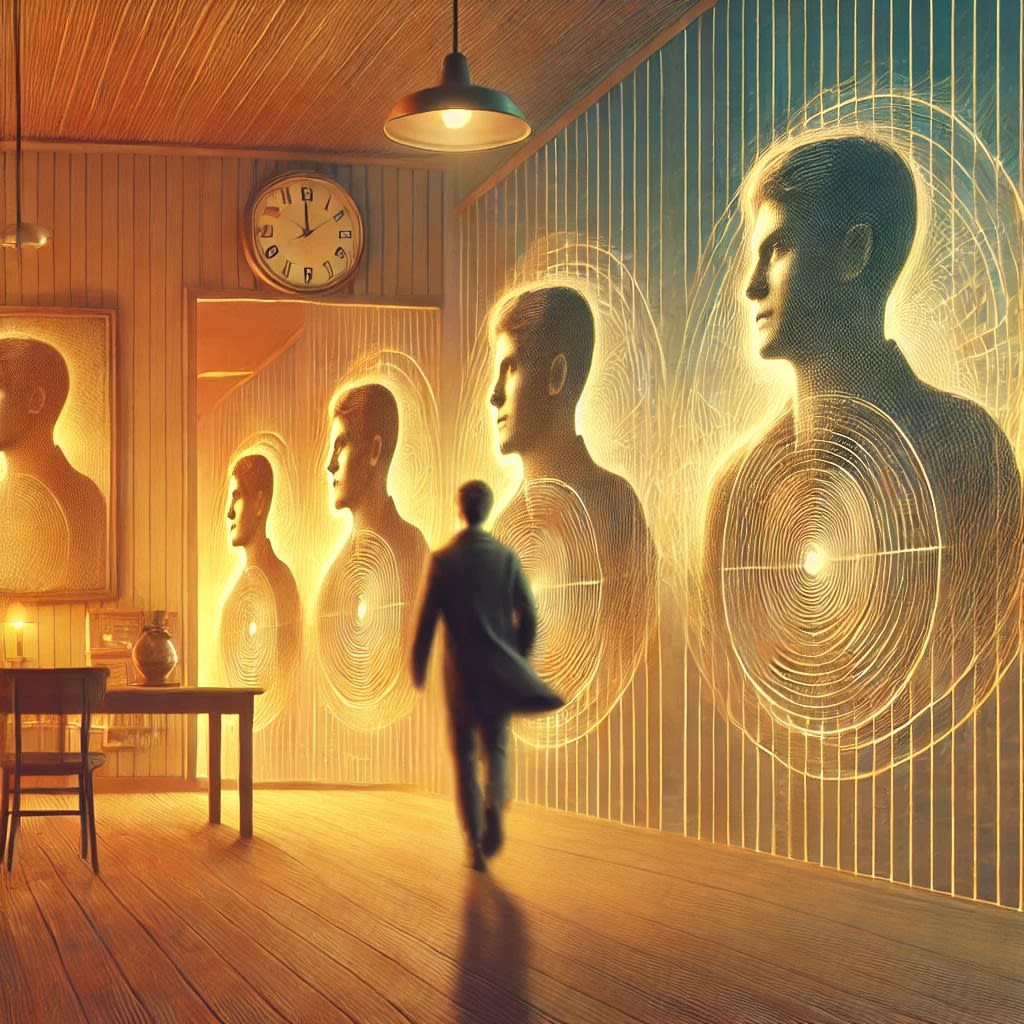
You walk into a room and feel an uncanny sense of familiarity. You’re certain you’ve been here before, but you know that’s impossible. This strange phenomenon, known as déjà vu, has intrigued scientists, philosophers, and psychologists for centuries. Is déjà vu a glitch in the brain, a memory hiccup, or even evidence of parallel universes?
Let’s unravel the mystery of déjà vu and explore whether its origins lie in science, psychology, or something more extraordinary.
What Is Déjà Vu?
The term “déjà vu” comes from French, meaning “already seen.” It describes the sensation of having experienced a current moment before, even though it’s happening for the first time. Déjà vu is surprisingly common; studies estimate that 60-80% of people experience it at least once in their lifetime.
While it’s often fleeting and harmless, the feeling can be deeply unsettling. Some describe it as a brief but intense overlap between reality and memory, leaving them questioning their perception of time and space.
Theories Behind Déjà Vu
1. Memory Misfire
One of the most widely accepted explanations for déjà vu is that it results from a memory glitch. The brain processes new experiences by comparing them to stored memories. When there’s a miscommunication between short-term and long-term memory systems, the brain may mistakenly categorize a new experience as something already familiar.
2. Dual Processing Theory
Another scientific theory suggests that déjà vu occurs when the brain’s dual processing systems—which handle perception and memory—temporarily fall out of sync. For example, if one system processes information a fraction of a second faster than the other, it can create the illusion of having experienced the moment before.
3. Split Perception Theory
This theory posits that déjà vu happens when you briefly notice something without fully registering it. Later, when you consciously perceive the same scene, it feels familiar because your brain has already partially processed it.
4. Neurological Causes
For some individuals, déjà vu may be linked to neurological conditions, such as temporal lobe epilepsy. During a seizure, abnormal electrical activity in the brain can create a sensation of familiarity. Even in healthy individuals, minor disruptions in the temporal lobe—responsible for memory and recognition—might trigger déjà vu.
5. Parallel Universes
While not scientifically proven, the idea that déjà vu is evidence of parallel universes or alternate timelines is a popular theory in pop culture. According to this perspective, déjà vu occurs when our consciousness briefly intersects with a version of ourselves in another dimension.
Psychological and Emotional Factors
Déjà vu is more likely to occur in certain situations and populations:
- Stress and Fatigue: Being tired or stressed can increase the likelihood of experiencing déjà vu.
- Travel and New Environments: People often report déjà vu while visiting unfamiliar places, possibly because their brain is actively trying to contextualize new surroundings.
- Age: Déjà vu is most common in young adults and tends to decline with age, likely due to changes in memory function.
Famous Cases of Déjà Vu
1. The “Matrix Glitch”
In the 1999 film "The Matrix", déjà vu is portrayed as a sign that the simulated reality is being altered. While fictional, this concept resonated with audiences and reinforced the idea that déjà vu could signal something extraordinary.
2. Marcel Proust’s Reflections
The French writer Marcel Proust described déjà vu in his novel "In Search of Lost Time", linking it to involuntary memories triggered by sensory experiences, such as the smell of tea and madeleines.
Debunking Myths About Déjà Vu
1. It’s Not Psychic
While déjà vu might feel mystical, there’s no evidence to suggest it’s connected to psychic abilities or premonitions. Instead, it’s a natural byproduct of how the brain processes information.
2. It’s Not Dangerous
For most people, déjà vu is harmless and short-lived. However, if it occurs frequently or is accompanied by other symptoms like seizures, it’s worth consulting a medical professional.
Why Does Déjà Vu Fascinate Us?
Déjà vu captivates us because it challenges our understanding of reality. It’s a momentary glitch in the seamless flow of time, making us question whether our memories, perceptions, and experiences are as reliable as we assume. This blend of familiarity and mystery ensures that déjà vu remains an enduring topic of fascination.
Fact or Fiction?
So, what causes déjà vu? The most likely explanation is rooted in the brain’s complex memory systems and occasional glitches in processing. While science has debunked supernatural theories, the fleeting, surreal nature of déjà vu ensures it remains one of life’s most intriguing phenomena.
The Bottom Line
Déjà vu offers a glimpse into the complexity of human perception and memory. Whether you see it as a quirky brain hiccup or a profound mystery, its universal appeal ensures that it will continue to spark curiosity and debate for generations to come.
About the Creator
Keep reading
More stories from Jay Phoenix and writers in 01 and other communities.
Fact or Fiction: Are Poltergeists Real?
Poltergeists have haunted our imagination for centuries. Known as “noisy ghosts,” they are said to move objects, create loud noises, and even physically harm people. But are poltergeists real, or are they simply the result of overactive imaginations and natural explanations?
By Jay Phoenixabout a year ago in 01
From Static Vulnerability Checks to Abuse‑Aware API Security in Modern Applications
As APIs continue to power digital interfaces, they also present a growing attack surface. Traditional security approaches often stop at static vulnerability checks, leaving modern applications exposed to sophisticated abuse patterns. Vulnerability scanners and rule‑based tools are no longer sufficient to secure APIs in an environment where attackers use behavior, intent, and logic to evade detection.
By Sam Bishop6 days ago in 01
HubSpot Onboarding Challenges Most Teams Face Without Consulting
I still remember the day our team finally signed off on HubSpot. There was a sense of relief mixed with excitement. We believed the platform itself would fix our scattered CRM data, improve follow ups, and bring calm to our marketing chaos. No one said it out loud, but we all assumed onboarding would be simple.
By Jane Smith7 days ago in 01




Comments
There are no comments for this story
Be the first to respond and start the conversation.