
Fact or Fiction: Are Leprechauns More Than Just Folklore?
By Jay Phoenix
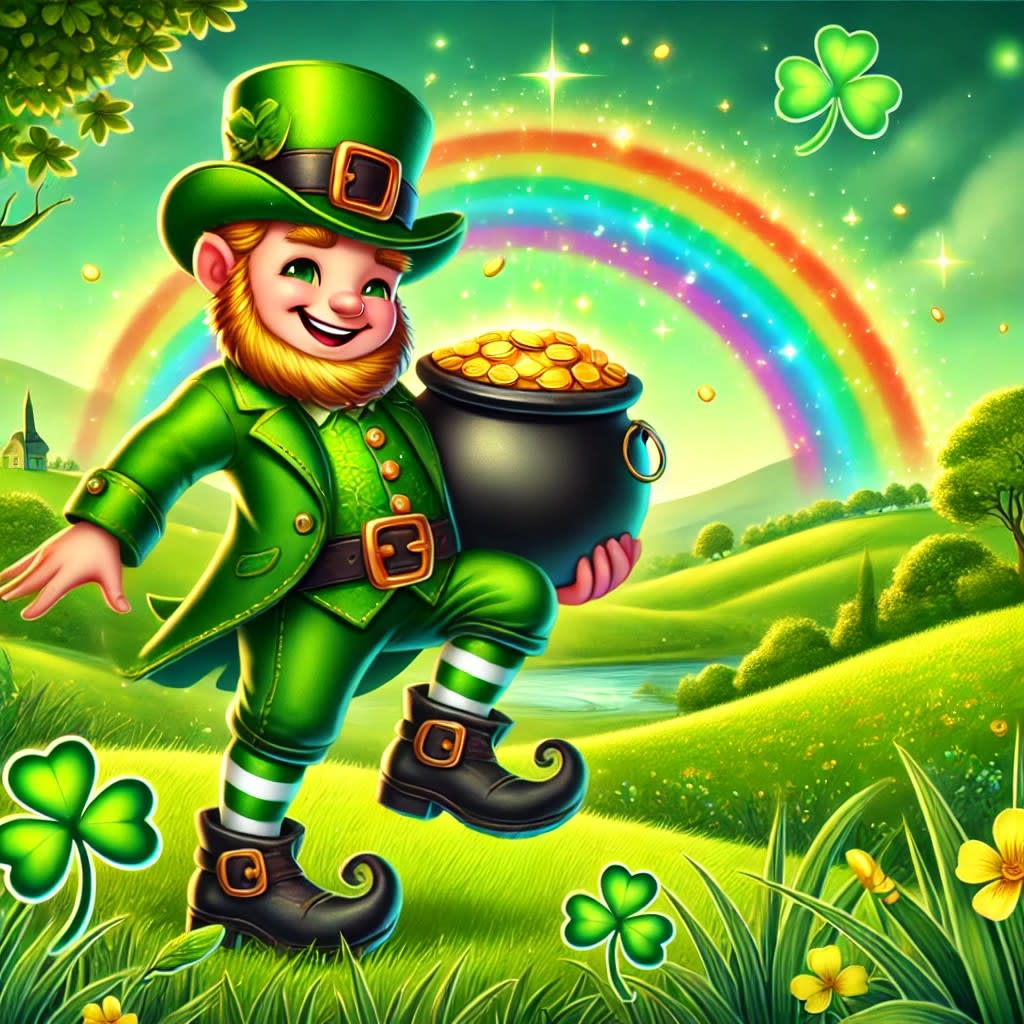
When you think of leprechauns, images of mischievous, green-clad figures guarding pots of gold at the end of a rainbow often come to mind. These tiny creatures are staples of Irish folklore and pop culture, symbolizing luck, trickery, and the magic of the Emerald Isle. But could leprechauns be more than just myth? Do these legendary beings have a basis in reality, or are they purely products of imagination?
Let’s dive into the origins, stories, and cultural significance of leprechauns to determine whether they’re fact or fiction.
The Origins of Leprechauns
Leprechauns have deep roots in Irish mythology. Their name derives from the Old Irish term "luchorpán," meaning "small-bodied." These figures were part of the Aos Sí, a supernatural race that included fairies, banshees, and other mystical beings. Over time, leprechauns evolved into their own distinct category of folklore.
Early Descriptions
- Appearance: Traditionally, leprechauns were depicted as old men wearing red jackets, not the green attire we associate with them today.
- Occupation: Known as cobblers, they were believed to make shoes for fairies, earning gold coins as payment.
- Habitat: Leprechauns were said to live in remote areas, such as forests or caves, avoiding human interaction.
The Stories That Shaped Them
Leprechaun tales are often cautionary, teaching lessons about greed, cleverness, and respecting the unknown. Here are some recurring themes:
1. Tricksters of Gold
One of the most enduring legends is that leprechauns hoard gold in pots, hiding them at the end of rainbows. However, catching one to claim the treasure is nearly impossible, as they’re master tricksters who will use wit and deception to escape.
2. Guardians of Secrets
Leprechauns are often portrayed as guardians of ancient knowledge or magical items. In some tales, they’re sought out by humans looking for wisdom, only to be misled by their cunning nature.
3. Mischievous Pranksters
Known for their sense of mischief, leprechauns love playing pranks on humans. These tricks often serve as punishments for those who are greedy, lazy, or disrespectful.
Cultural Significance
Leprechauns hold a unique place in Irish culture and beyond:
- Symbols of Ireland: Leprechauns have become global symbols of Irish heritage, celebrated during St. Patrick’s Day and featured in countless advertisements and media.
- Economic Impact: In modern Ireland, leprechauns contribute to tourism, with attractions like the National Leprechaun Museum in Dublin drawing visitors from around the world.
- Storytelling Tradition: The tales of leprechauns are part of a broader tradition of Irish folklore that connects people to their history and imagination.
Could Leprechauns Be Real?
While leprechauns are widely regarded as mythical, some believe there might be a grain of truth to their stories:
1. Echoes of Historical Figures
Some historians suggest that leprechaun legends could be based on real individuals, such as reclusive craftsmen or eccentric loners who lived on the fringes of society.
2. Misinterpretations of Natural Phenomena
Sightings of small, mysterious creatures could have been exaggerations of natural phenomena, such as animals, shadows, or optical illusions.
3. Cultural Archetypes
Leprechauns may represent archetypes found in many cultures—trickster figures who challenge norms, teach lessons, and add whimsy to human storytelling.
Debunking the Myths
Modern science and rational thought debunk the idea of leprechauns as literal beings. Key points include:
- No Physical Evidence: Despite centuries of folklore, no tangible evidence of leprechauns or their supposed treasures has been found.
- Psychological Explanations: Human tendency to anthropomorphize and create narratives around unexplained events likely fueled leprechaun myths.
- Cultural Evolution: The leprechaun image we know today owes much to commercialization and artistic interpretation, rather than historical accounts.
Why Do We Love Leprechauns?
Leprechauns endure in popular imagination because they:
- Symbolize Luck: Who doesn’t want a little extra good fortune?
- Spark Curiosity: Their mysterious and elusive nature keeps people intrigued.
- Connect Us to Folklore: They provide a link to Ireland’s rich cultural heritage and storytelling traditions.
Fact or Fiction?
Are leprechauns more than just folklore? The evidence points to fiction. These tiny tricksters are creations of human imagination, woven into the fabric of Irish culture over centuries. While they may not be real, their impact on storytelling, culture, and even tourism is undeniable.
The Bottom Line
Leprechauns may not exist in the literal sense, but their stories remind us of the magic and wonder that folklore brings to our lives. Whether you see them as symbols of Ireland or as playful figments of imagination, leprechauns continue to charm and inspire, ensuring their place in our hearts for generations to come.
About the Creator
Keep reading
More stories from Jay Phoenix and writers in 01 and other communities.
Fact or Fiction: The Legend of Bloody Mary — Is It Real?
The lights are dimmed. A mirror reflects the flicker of a candle. You’ve said her name three times: “Bloody Mary… Bloody Mary… Bloody Mary.” Your heart races, your breath quickens, and then… nothing. Or is there?
By Jay Phoenixabout a year ago in 01
The Changing Architecture of Finance Through Fintech Software – 2026
Introduction The global financial ecosystem is undergoing a structural transformation driven by fintech software. By 2026, finance is no longer defined solely by traditional banks, rigid systems, or centralized control. Instead, it is shaped by agile digital platforms, open ecosystems, real-time data processing, and customer-centric innovation. Fintech software has redefined how money is stored, transferred, invested, and managed, fundamentally changing the architecture of finance at both institutional and consumer levels.
By Aarti Jangid6 days ago in 01
Whiskey At Dusk
Guess the whiskey was more important to you in the end, wasn’t it? It was more than the well-being of your friends; more vital than showing up to the places you promised you would and could come to; more critical of a matter than fulfilling your damn responsibilities and getting the press off your back.
By Snarky Lisa3 days ago in Humans




Comments
There are no comments for this story
Be the first to respond and start the conversation.