
Exploring the Impact of the US Debt Ceiling Deadline on 5th June 2021 & What it Means for Businesses
US Debt Ceiling

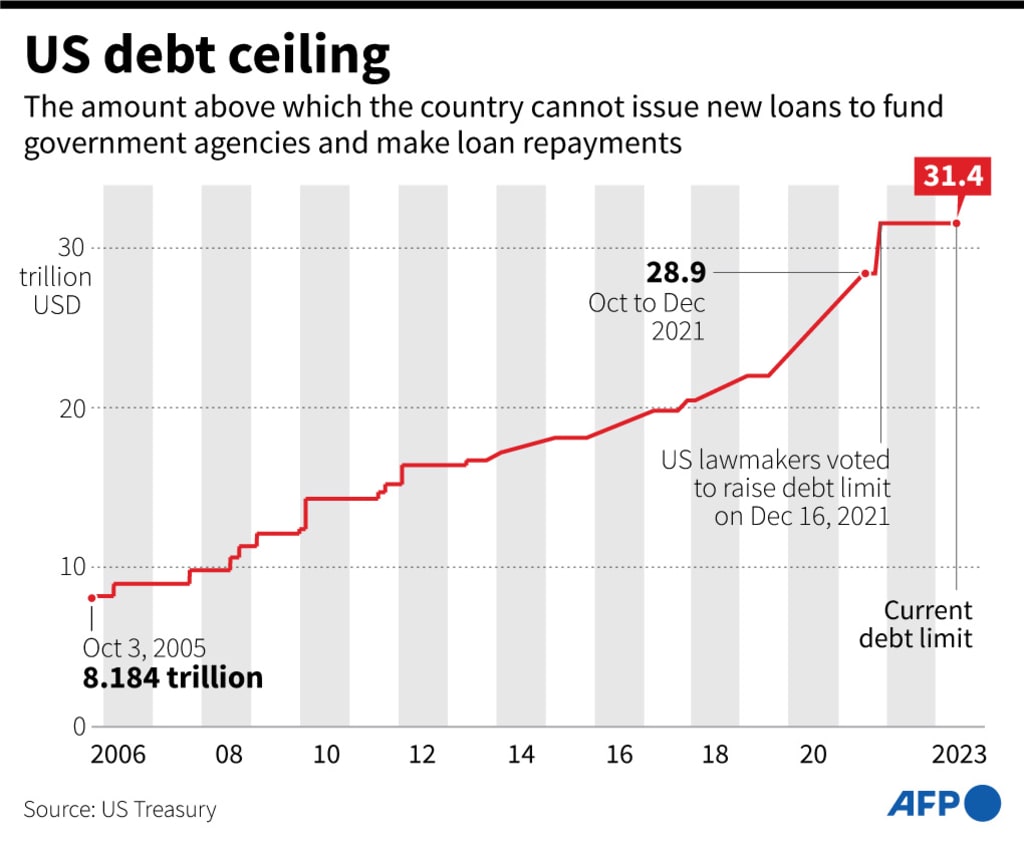
The US debt ceiling deadline on June 5th, 2021, brought with it a sense of urgency and potential consequences for businesses. The debt ceiling, a limit set by Congress on the amount of debt the US government can accumulate, plays a significant role in the country's financial stability. When the debt ceiling is reached, the government must take measures to continue borrowing, or it risks defaulting on its financial obligations. This article will examine the impact of the debt ceiling deadline and what it means for businesses.
Uncertainty and Market Volatility:
The approaching debt ceiling deadline creates an atmosphere of uncertainty in financial markets. Businesses rely on stability and predictability to make informed decisions, but the potential for a default or financial instability can disrupt this environment. Uncertainty often leads to market volatility, with stock prices fluctuating, interest rates potentially rising, and investor confidence wavering. Such market turbulence can make it challenging for businesses to plan and execute long-term strategies, as they may need to adjust their financial forecasts and risk management approaches.
Credit Rating Downgrades:
If the US government were to default on its debt, credit rating agencies would likely downgrade the country's credit rating. This downgrade would have a ripple effect on businesses. Companies that rely on the US government as a customer or receive government contracts could face increased scrutiny and higher borrowing costs. Additionally, businesses may find it more difficult to access credit or secure favorable lending terms from financial institutions, as lenders may be more cautious due to the broader economic uncertainties associated with a US default.
Government Spending and Contracts:
A debt ceiling deadline can also impact government spending and contracts. In an effort to manage cash flow and stay within the debt limit, the government may implement spending cuts or delays in payments to contractors. This can affect businesses that rely heavily on government contracts for their revenue stream. Delayed or reduced payments can disrupt cash flow, hinder operations, and force businesses to reconsider their budgetary plans or even lay off employees.
Interest Rates and Borrowing Costs:
A default or even the risk of default can have implications for interest rates and borrowing costs. In times of financial uncertainty, investors seek safer assets, such as US Treasury bonds. If investors become wary of the US government's ability to repay its debts, they may demand higher yields on Treasury bonds to compensate for the perceived risk. As a result, interest rates across the economy can rise, affecting borrowing costs for businesses. Higher interest rates can make it more expensive for businesses to access credit, invest in growth initiatives, or refinance existing debt.
Supply Chain Disruptions:
The impact of the debt ceiling deadline can extend beyond financial markets and directly impact businesses' supply chains. Government agencies play a vital role in regulating industries and facilitating trade. In the event of a default, the government's ability to perform these functions may be compromised, leading to potential disruptions in supply chains. Delays in customs processing, regulatory approvals, or government inspections can affect the timely delivery of goods and services, impacting businesses' operations and customer satisfaction.
Business Confidence and Consumer Spending:
The uncertainty surrounding a debt ceiling deadline can influence business confidence and consumer spending. Businesses may become more cautious about making investments or expanding operations due to the economic uncertainties that come with a potential default. This caution can have a dampening effect on economic growth and job creation. Similarly, consumers may become more hesitant to spend if they are concerned about the broader economic implications of a US default, leading to decreased demand for goods and services.
In conclusion, the US debt ceiling deadline on June 5th, 2021, brought with it significant implications for businesses. The uncertainty and market volatility surrounding the deadline can disrupt business planning and decision-making. Credit rating downgrades, delays in government spending, increased borrowing costs, supply chain disruptions, and decreased business confidence and consumer spending are some of the potential consequences. Businesses must closely monitor the situation, adapt their strategies as necessary, and be prepared to navigate the potential challenges that may arise from the debt ceiling negotiations and their aftermath.
About the Creator
Keep reading
More stories from Muhammad Uzair and writers in 01 and other communities.
iPhone Fold 2026
iPhone Fold 2026 Yes, rumors strongly suggest Apple's first foldable iPhone, the iPhone Fold, is expected to launch in late 2026, potentially alongside the iPhone 18 series, featuring a book style design with a smaller cover screen that unfolds to a larger internal display, though some reports hint at potential delays into 2027 due to manufacturing complexities.
By Farooq Hashmi6 days ago in 01
YouTube Marketing vs Spotify Marketing in 2026: An Honest, No-Filter Take
I have worked with brands that swear by YouTube and others that spend heavily on Spotify. After watching campaigns succeed and fail on both sides, one thing is clear in 2026. These platforms are not competitors. They behave like two completely different worlds.
By SearchEngineWaysa day ago in 01


Comments
There are no comments for this story
Be the first to respond and start the conversation.