
Exploring the Future |Face Recognition in AI
In this blog post, we will explore the technology behind face recognition in AI, its applications, benefits, and potential pitfalls.

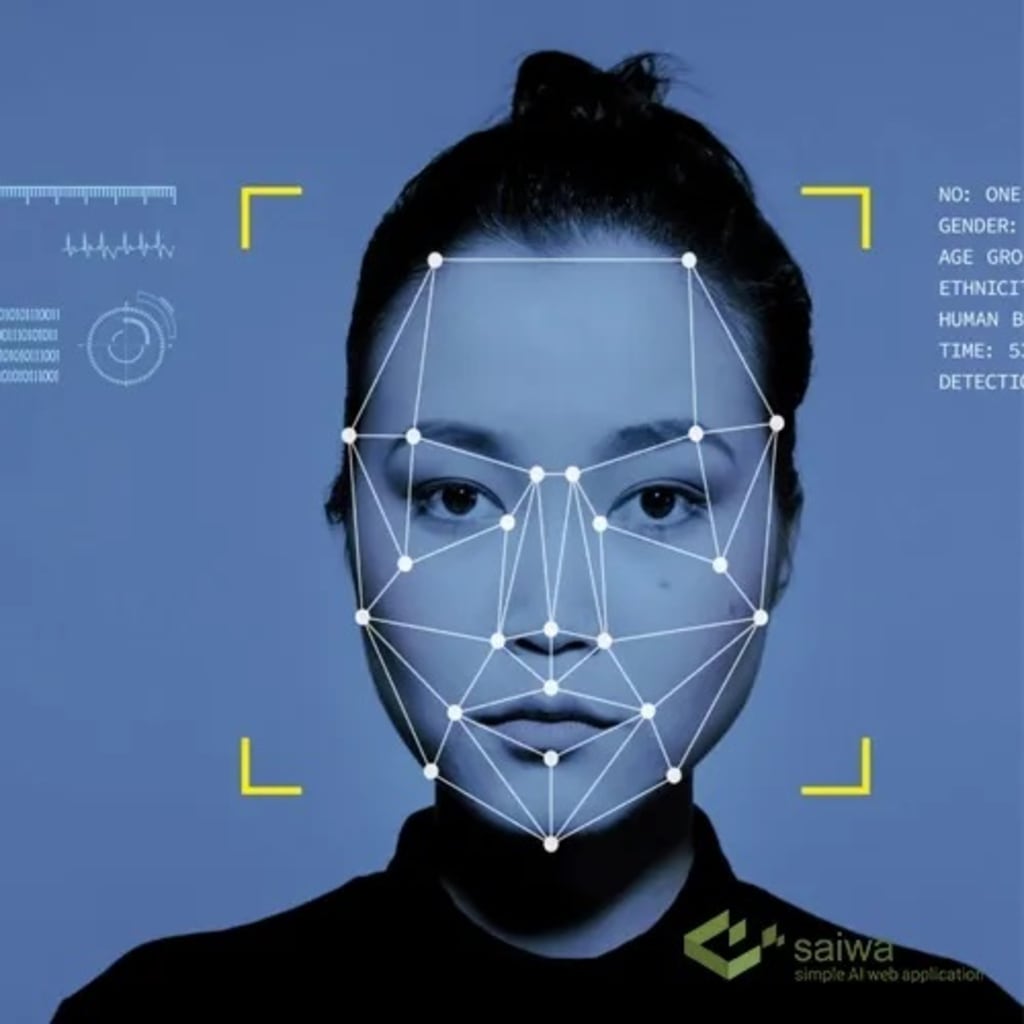
Face recognition in AI has emerged as one of the most transformative technologies of the 21st century. This sophisticated form of artificial intelligence is reshaping how we interact with technology, providing conveniences that were once the stuff of science fiction. Yet, as with any powerful tool, it comes with its own set of challenges and ethical considerations.
Understanding Face Recognition in AI

Face recognition in AI involves the identification or verification of individuals using their facial features. This technology typically works in a multi-step process:
1. Detection: The system first locates a face within a digital image or video frame.
2. Alignment: The detected face is then aligned to a standardized format, which involves adjusting the orientation and size of the face.
3. Feature Extraction: The system extracts unique features from the face, such as the distance between the eyes, the shape of the chin, and other distinctive characteristics.
4. Matching: These extracted features are then compared to a database of known faces to identify or verify the person.
Machine learning algorithms, particularly deep learning models like convolutional neural networks (CNNs), are commonly used to enhance the accuracy of face recognition in AI. These models are trained on vast datasets of facial images to learn patterns and features that differentiate one face from another.
Applications of Face Recognition in AI

Face recognition in AI has a wide range of applications across various sectors:
1. Security and Surveillance: One of the earliest and most common uses is in security systems. AI-powered cameras and software are deployed in airports, malls, and other public spaces to monitor for known criminals or missing persons.
2. Smartphones and Personal Devices: Face recognition is widely used in smartphones for unlocking devices and authenticating users. This technology offers a quick and convenient alternative to traditional passwords or fingerprint sensors.
3. Retail and Marketing: Retailers use face recognition in AI to analyze customer demographics and behaviors, tailoring advertisements and product placements accordingly.
4. Healthcare: In healthcare, face recognition can help monitor patients' conditions, identify genetic disorders, and ensure patient safety by confirming identities before procedures.
5. Law Enforcement: Police departments use face recognition technology to match suspects with database images, assisting in criminal investigations and missing person searches.
6. Banking and Finance: Banks use face recognition to verify customer identities for online transactions and ATM withdrawals, enhancing security and reducing fraud.
Benefits of Face Recognition in AI
The integration of face recognition in AI brings several advantages:
1. Enhanced Security: Face recognition offers an additional layer of security beyond passwords or PINs, making unauthorized access more difficult.
2. Convenience: It provides a seamless user experience, allowing users to unlock devices, make payments, or check in to events with just a glance.
3. Efficiency: In sectors like law enforcement and healthcare, face recognition streamlines operations, saving time and resources in identifying individuals.
4. Personalization: Businesses can personalize services and recommendations based on facial analysis, improving customer satisfaction and engagement.
5. Crime Prevention: By identifying potential threats in real-time, face recognition can help prevent criminal activities and enhance public safety.
Challenges and Ethical Concerns
Despite its benefits, face recognition in AI is not without controversy. Several challenges and ethical concerns need to be addressed:
1. Privacy Issues: The use of face recognition raises significant privacy concerns. Individuals may be unaware that their facial data is being collected and stored, leading to potential misuse of personal information.
2. Bias and Accuracy: Studies have shown that face recognition systems can exhibit biases, particularly against people of color and women. This can result in false identifications and discrimination, undermining trust in the technology.
3. Lack of Regulation: The rapid deployment of face recognition technology has outpaced the development of legal and regulatory frameworks, leading to inconsistencies in how it is used and governed.
4. Data Security: The storage and handling of facial data pose security risks. Data breaches could expose sensitive information, leading to identity theft and other malicious activities.
5. Consent and Transparency: There is often a lack of transparency regarding how face recognition data is collected and used, and individuals may not have given explicit consent for their data to be used in this manner.
The Future of Face Recognition in AI
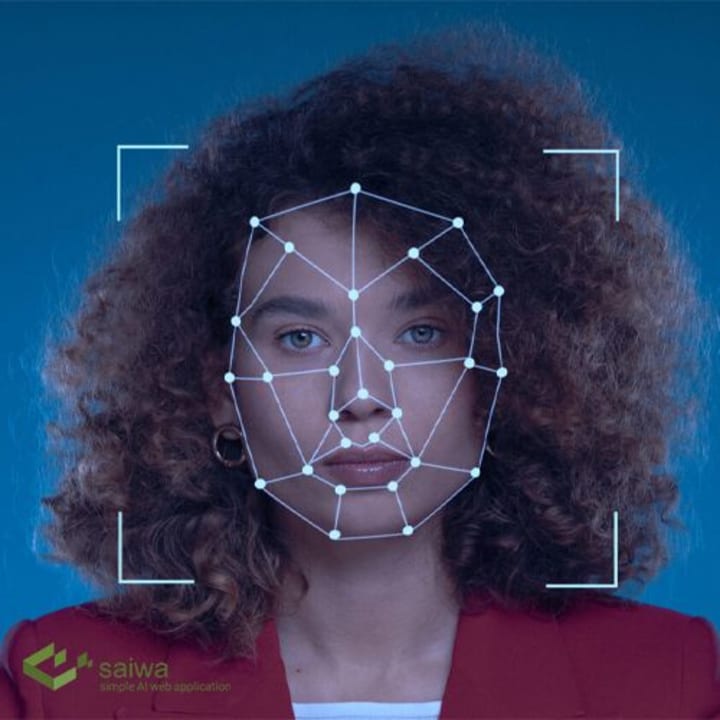
As face recognition in AI continues to evolve, its future will likely be shaped by technological advancements, regulatory developments, and societal attitudes. Here are some potential trends and developments:
1. Improved Accuracy: Ongoing research and development efforts are focused on improving the accuracy and reliability of face recognition systems. This includes addressing biases and ensuring that the technology works effectively across diverse populations.
2. Stronger Regulations: Governments and regulatory bodies are beginning to recognize the need for comprehensive regulations governing the use of face recognition. This could lead to clearer guidelines on data privacy, consent, and ethical use.
3. Increased Adoption: Despite the challenges, the adoption of face recognition technology is expected to grow. Industries like retail, healthcare, and finance will continue to explore new applications and benefits.
4. Integration with Other Technologies: Face recognition in AI is likely to be integrated with other emerging technologies, such as augmented reality and the Internet of Things (IoT), to create more advanced and interactive experiences.
5. Public Awareness and Education: As the technology becomes more prevalent, public awareness and education about its benefits and risks will be crucial. Users will need to be informed about how their data is used and the measures in place to protect their privacy.
Conclusion
Face recognition in AI is a powerful and transformative technology with the potential to enhance security, convenience, and efficiency across various sectors. However, its widespread adoption also raises important ethical and privacy concerns that need to be carefully addressed. As we move forward, it will be essential to strike a balance between harnessing the benefits of face recognition and ensuring that it is used responsibly and ethically.
The future of face recognition in AI will depend on the collaborative efforts of technology developers, policymakers, and society as a whole. By working together, we can ensure that this technology is used to create a safer, more efficient, and more equitable world.
Saiwa offers a cutting-edge AI platform specializing in face recognition technology. Our innovative solutions provide enhanced security, seamless user experiences, and accurate identification for various applications. With a focus on privacy and ethical use, Saiwa empowers businesses and institutions to leverage AI-driven facial recognition with confidence and reliability.
About the Creator
saiwa etudeweb
saiwa is an online platform which provides privacy preserving artificial intelligence (AI) and machine learning (ML) services.
Keep reading
More stories from saiwa etudeweb and writers in 01 and other communities.
The Role of Nitrogen in Plants | Unleashing the Potential of AI in Agriculture
Nitrogen is a critical component for plant growth and development, acting as a building block for proteins, nucleic acids, and chlorophyll. Understanding the role of nitrogen in plants is essential for optimizing agricultural productivity and sustainability. With the advent of Artificial Intelligence (AI), we can now gain deeper insights into nitrogen utilization and management, leading to more efficient farming practices.
By saiwa etudeweb2 years ago in 01
The Role of AI in Transforming Modern eLearning App Development
In the digital era, education is no longer confined to traditional classrooms. The demand for personalized, accessible, and interactive learning experiences has driven the growth of eLearning app development. Among the most transformative technologies shaping this space is Artificial Intelligence (AI). By integrating AI into educational platforms, businesses and institutions are revolutionizing how content is delivered, assessed, and adapted to learners’ needs.
By keith laurance5 days ago in 01
Silken Chains
Silhouettes of the female form were given flesh and bone. Silken skin glistened under the spotlight. Dry ice rose around our Icons as they danced atop their podiums in the Square. Heralded for their beauty, their movements were slight, powerful, and sensual.
By Paul Stewart4 days ago in Fiction




Comments (1)
Thanks for sharing