
ERP Compliance in Canada: What You Need to Know About CRA and Data Privacy
Stay compliant and secure—understand how Canadian ERP systems must align with CRA regulations and data privacy laws to protect your business.
When implementing or upgrading an ERP software solution in Canada, one of the most critical—but often overlooked—considerations is compliance. With the Canada Revenue Agency (CRA) closely monitoring tax reporting and the government enforcing strict data privacy regulations, your ERP system must do more than just manage operations—it needs to protect your business.
At Mentoria Guru, we help Canadian businesses choose and configure ERP systems that are CRA-compliant and data privacy-ready. Whether you're a startup, an SME, or an enterprise, this guide will help you understand what to look for in an ERP platform that meets Canadian compliance standards.
Why ERP Compliance Matters in Canada
ERP compliance in Canada isn't just a technical requirement—it's a legal necessity. Your ERP system is the digital backbone of your business. If it doesn’t follow the rules set by the CRA and Canadian privacy laws, you could face:
Audits
Penalties
Data breaches
Loss of customer trust
Proper ERP compliance ensures your software supports secure, legal, and transparent operations, giving you peace of mind and positioning your business for long-term success.
📜 What is CRA Compliance in ERP Software?
The Canada Revenue Agency (CRA) enforces tax laws and financial reporting standards. Your ERP system must be able to:
Generate audit-ready financial reports
Store historical financial data securely
Maintain detailed logs of transactions
Comply with GST/HST, payroll, and corporate tax filing
Support electronic records retention policies
If your ERP solution in Canada fails to meet these expectations, it can trigger audits or non-compliance penalties. That’s why your ERP must align with CRA-compliant features.
🔒 Data Privacy Laws That Impact ERP Systems
Canada's data protection laws are among the strictest in the world. If your ERP handles customer or employee data, you must comply with:
✅ PIPEDA (Personal Information Protection and Electronic Documents Act)
Applies to most private-sector businesses in Canada. Your ERP must:
Obtain consent for data collection
Limit data use to specific purposes
Protect data from unauthorized access
Allow individuals to access their personal information
Respond to breaches within the mandated timeframe
✅ Provincial Privacy Laws
In provinces like Quebec, British Columbia, and Alberta, local privacy acts like Bill 64 (Law 25 in Quebec) may impose even stricter ERP data compliance standards.
If you're operating across provinces, your ERP should support multi-jurisdictional compliance.
🧠 Top ERP Compliance Features Canadian Businesses Should Look For
When evaluating ERP software in Canada, make sure it includes these compliance-critical capabilities:
Audit Trail and Logging
Every financial and operational change should be recorded.
Data Encryption
Encrypt both at-rest and in-transit data to protect sensitive information.
User Access Controls
Limit who can see or change financial records or personal data.
Tax Configuration Tools
Your ERP should support CRA-specific tax rules, including GST, PST, and HST.
Document Retention and Archiving
ERP systems must retain records according to CRA timelines (usually 6+ years).
Consent Management Modules
Particularly important for PIPEDA and Quebec Law 25 compliance.
Multi-language and Multi-currency Support
Critical for businesses in bilingual provinces or doing international business.
⚠️ Common ERP Compliance Mistakes in Canada
Many businesses unknowingly fall out of compliance due to poor ERP configuration. Common issues include:
Storing data on servers outside Canada without proper contracts
Using outdated software that doesn’t log user actions
Lacking audit-ready reports for CRA inspections
Collecting customer data without documented consent
At Mentoria Guru, we often audit ERP systems that "technically work" but fail to meet modern compliance expectations. The risks aren't worth it.
✅ How Mentoria Guru Helps Canadian Businesses Stay Compliant
As ERP consultants focused on the Canadian market, we ensure our clients:
Choose ERP systems with built-in CRA and data privacy compliance
Configure workflows that automatically log, encrypt, and store data properly
Integrate ERP tools with Canadian financial and legal systems
Train teams on how to use ERP features to maintain compliance year-round
Whether you're using SAP, Oracle, Microsoft Dynamics, Odoo, or another platform, we help Canadian businesses customize ERP solutions to meet their legal obligations.
🔍 Real-World Use Case: ERP Compliance in Ontario Manufacturing
One of our clients—a mid-sized manufacturing company in Ontario—switched ERP vendors after a CRA audit exposed recordkeeping issues. Mentoria Guru helped them:
Migrate to a CRA-compliant ERP
Configure digital invoicing with audit-ready logging
Implement employee access roles to control data visibility
Set up automatic GST and HST reporting
Within 90 days, they passed a follow-up CRA audit with zero issues and reduced manual tax prep time by 60%.
Benefits of Choosing a Compliant ERP System in Canada
Besides avoiding fines and penalties, ERP compliance brings long-term value:
Audit readiness at all times
Improved customer trust through data protection
Increased operational efficiency with automated compliance
Support for business expansion across provinces or globally
Stronger vendor and partner relationships
In short: ERP compliance isn’t just about avoiding trouble—it’s about building
About the Creator
Mentoria Team
Mentoria Guru shares observations, lessons, and practical insight drawn from working with small business teams across Canada. Our writing focuses on digital growth, decision-making, and the realities behind building sustainable businesses.
Keep reading
More stories from Mentoria Team and writers in 01 and other communities.
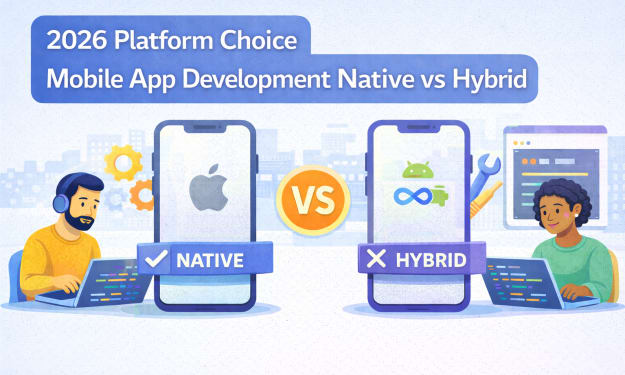
2026 Platform Choice Mobile App Development Native vs Hybrid
In 2026, mobile app development native vs hybrid is no longer a framework debate. It reflects a tectonic shift inside the Google ecosystem where AI Retrieval, Zero Click discovery, and entity-level evaluation now shape risk exposure, authority loss, and strategic realignment for every mobile product.
By Samantha Blake3 days ago in 01
How James Kodrowski Builds Scalable Businesses and Long-Term Investments
James Kodrowski is widely recognized as an Entrepreneur, Business Leader & Investor known for building scalable businesses while maintaining a disciplined, long-term investment mindset. His approach combines financial intelligence, operational excellence, and leadership-driven strategy, making his work highly relevant across Finance & Financial Services, Business Strategy & Operations, and Entrepreneurship & Leadership.
By James Kodrowski3 days ago in 01
Miss Persephone's Manual to a Seemingly Ordinary Life
Miss Persephone was found at the dining table, her blue eyes swollen, her tears arriving and retreating like the tides of the ocean. Earlier that day, her family had visited her in the retirement home where she had lived for eight years. It was her eightieth birthday.
By Imola Tótha day ago in Fiction



Comments
There are no comments for this story
Be the first to respond and start the conversation.