
Energy Efficiency Technologies and Their Role in Concrete Mixing Plant Price Adjustments
Exploring how modern energy-saving innovations are influencing the cost and long-term value of concrete mixing plants in today’s construction industry.

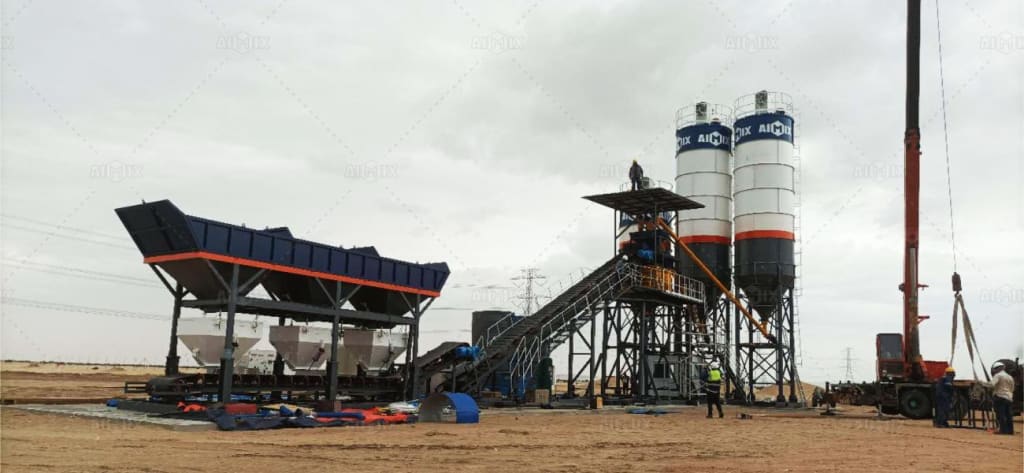
In today’s construction landscape, energy efficiency is no longer a luxury — it's a necessity. As environmental regulations tighten and the cost of power continues to rise, manufacturers of concrete mixing plants are integrating advanced technologies to reduce energy consumption. These innovations, while beneficial in the long run, have also led to noticeable shifts in the pricing of concrete mixing plants. This article explores how energy-efficient technologies influence concrete mixing plant price and why the investment is increasingly worthwhile for modern contractors and builders.
The Push Toward Energy Efficiency in Concrete Production
Concrete production is an energy-intensive process. From raw material handling to the mixing stage, traditional batching plants rely heavily on electricity and fuel to operate motors, conveyors, and mixers. With sustainability and emissions control becoming top priorities globally, manufacturers have developed technologies to minimize energy consumption and maximize productivity.
Governments and environmental agencies are encouraging — and in some cases mandating — more sustainable operations. As a result, equipment buyers now consider energy efficiency a major factor in total plant cost and return on investment (ROI).
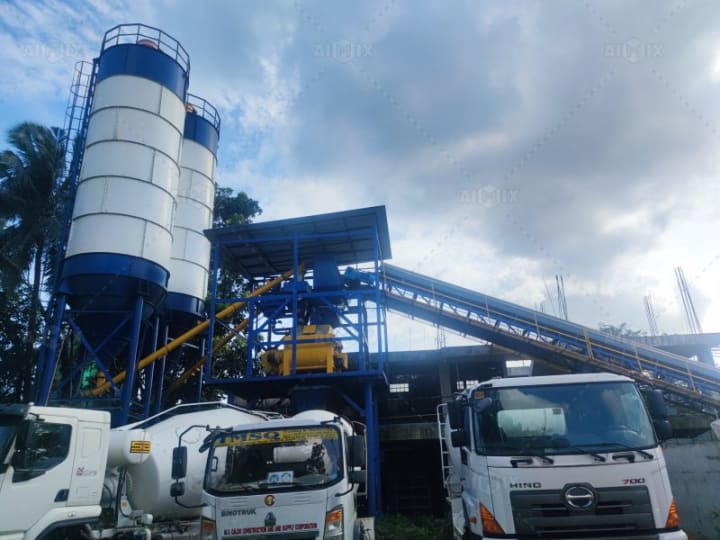
Key Energy-Efficient Technologies in Modern Concrete Mixing Plants
Several innovations are driving energy savings in today’s concrete mixing plants. Each of these advancements plays a role in the overall price of the equipment:
1. Variable Frequency Drives (VFDs)
One of the most widely adopted technologies is the variable frequency drive. VFDs optimize the motor speed according to the actual load, reducing unnecessary energy use. For instance, during low-production periods, the motor speed is reduced, leading to lower electricity bills.
Impact on Price: Incorporating VFDs increases the upfront cost of the plant by around 5–10%. However, it can reduce long-term energy costs by 20–30%, making it a cost-effective feature in the long run.
2. Energy-Efficient Electric Motors
High-efficiency IE3 or IE4 motors consume less power and are more durable than conventional models. These motors are now standard in many premium concrete mixing plants.
Impact on Price: Premium motors add to the initial capital cost but offer energy savings of up to 10% over their lifespan.
3. Heat Recovery Systems
In some large-scale concrete batching plants, especially those located in cold regions, heat recovery systems reuse waste heat from mixers or compressors. This heat is redirected to warm water or aggregate bins, reducing heating costs.
Impact on Price: These systems significantly increase the cost but are often used in specialized industrial applications where energy consumption is extremely high.
4. Automated Control Systems
Modern batching plants often include sophisticated control systems that optimize batching, mixing, and material usage. These systems reduce downtime, minimize energy waste, and ensure precision.
Impact on Price: The software and sensors involved in automation increase the plant’s cost but can enhance energy efficiency and reduce labor and material wastage, leading to overall savings.
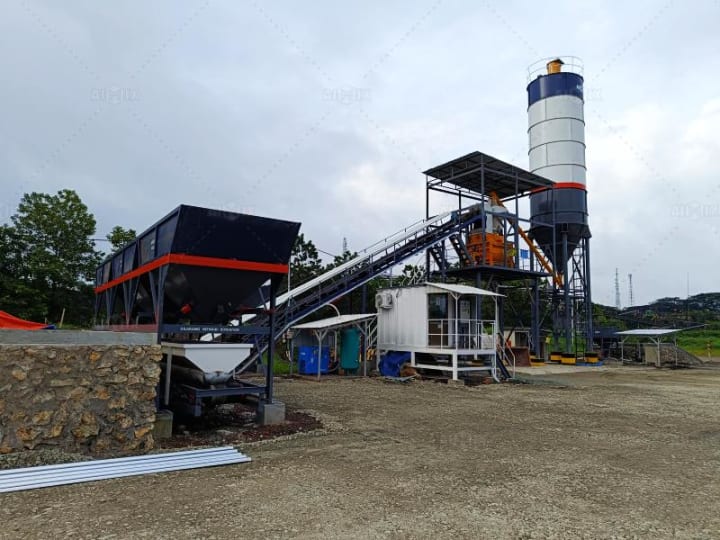
How These Technologies Affect Plant Pricing
The integration of energy-saving technologies generally raises the initial purchase price of a concrete mixing plant. Depending on the level of energy efficiency, prices can vary by 10%–25% compared to standard models. However, plant pricing is no longer just about capital expenditure. Buyers increasingly evaluate the total cost of ownership (TCO), which includes:
Energy consumption
Maintenance costs
Equipment lifespan
Environmental compliance fees or incentives
In this context, energy-efficient plants are not "more expensive" but rather strategically priced to deliver long-term value.
Return on Investment and Payback Period
Contractors and commercial concrete producers are particularly focused on the ROI and payback period for energy-efficient equipment. For example:
A plant with VFDs and IE3 motors may cost $10,000–$20,000 more upfront.
However, it can save up to $5,000 annually on energy bills.
This translates to a payback period of 2–4 years — after which the savings continue to accumulate.
Additionally, many governments offer green incentives, tax deductions, or grants for energy-efficient industrial equipment. These subsidies can shorten the payback period and improve affordability.
The Competitive Edge: Marketing and Compliance
Energy-efficient plants are also easier to market to clients, especially in government or eco-conscious projects. Construction companies using low-carbon technology often win bids more easily in regions where environmental compliance is critical.
Moreover, owning such plants ensures readiness for future regulations, avoiding retrofitting costs or potential penalties.
Market Trend: Buyers Are Willing to Pay More
The global trend shows that more buyers are opting for energy-efficient concrete mixing plants despite their higher base price. The value proposition lies in operational savings, lower emissions, and improved equipment reliability.
In emerging markets, where electricity costs are rising sharply and blackouts are common, the ability to reduce consumption or operate with alternative energy sources (such as solar-powered controls) is a major selling point.
Conclusion
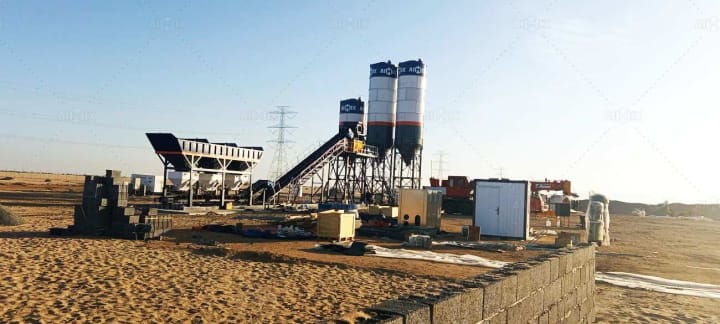
Energy-efficient technologies are reshaping how concrete mixing plants are priced — not simply as machines, but as long-term investments in productivity and sustainability. While these innovations may increase the initial cost, they provide tangible benefits in energy savings, environmental compliance, and long-term performance.
In today’s competitive and eco-aware construction industry, understanding the connection between energy efficiency and concrete mixing plant price is key to making informed purchasing decisions. Buyers who think beyond upfront costs and embrace energy-saving technologies are positioning themselves for both economic and environmental success.
About the Creator
consrtuctionmachines
AIMIX is a customer-center-oriented heavy equipment manufacturer and supplier, devoted to production, innovation, combination, one-stop solution, etc.
https://aimixgroup.com/
Keep reading
More stories from consrtuctionmachines and writers in 01 and other communities.
How Mobile Concrete Mixer Sales Reflect Changing Construction Priorities
Construction priorities are evolving rapidly. Mobile concrete mixer sales highlight these shifts. Contractors seek solutions that offer efficiency, flexibility, and sustainability in their projects.
By consrtuctionmachines8 months ago in 01




Comments (1)
Energy efficiency in concrete plants is crucial. VFDs are a great example. They cut energy use during low production, like you said. I've seen similar tech in other industries. It's smart to invest in these upgrades, even if they raise upfront costs. Do you think there are other technologies on the horizon that could further reduce energy consumption in these plants?