
Energy Efficiency in New-Generation Dry Mix Concrete Batching Plant
Exploring how modern technologies are transforming dry mix concrete batching plants into energy-saving, cost-effective solutions for sustainable construction.

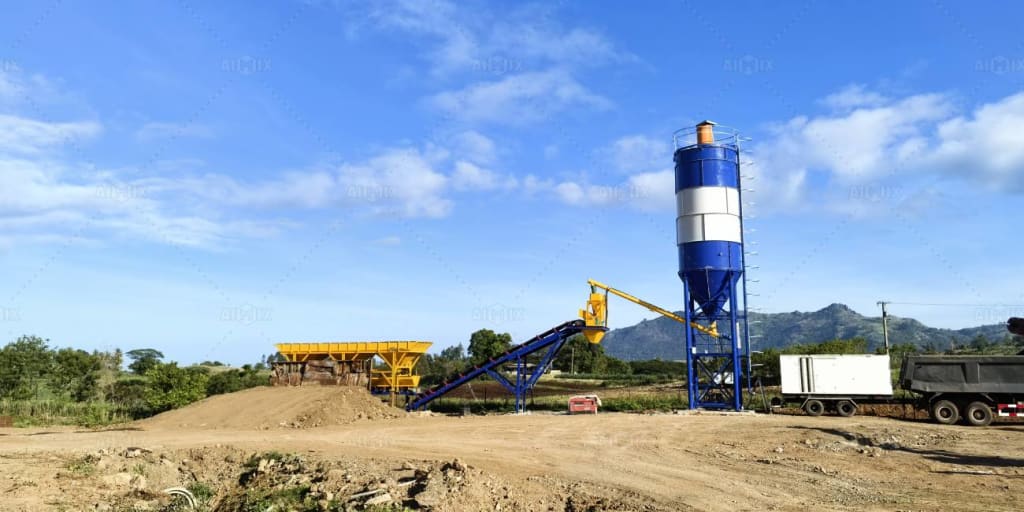
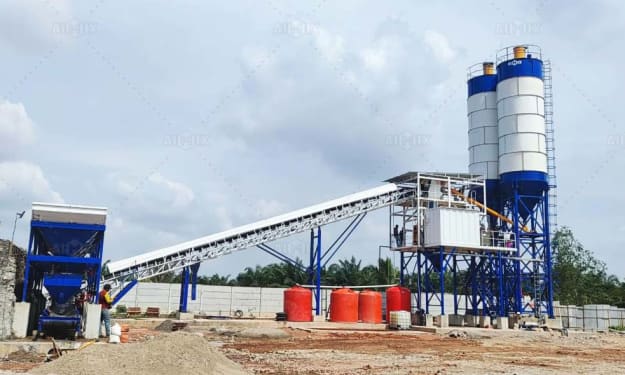
As sustainability and cost-effectiveness become critical priorities in construction, energy efficiency is increasingly a top focus for equipment manufacturers and buyers alike. Among the machinery undergoing major innovation is the dry mix concrete batching plant. These plants, designed for producing precise dry concrete mixes, are evolving rapidly to meet the twin goals of high performance and low energy consumption.
In this article, we will explore how new-generation dry mix concrete batching plant is designed for improved energy efficiency, the technologies making this possible, and the benefits for construction companies investing in greener operations.
Understanding Dry Mix Concrete Batching Plants
Unlike wet mix plants, where water is added at the batching stage, a dry mix concrete batching plant produces a dry mix of cement, aggregates, and other ingredients. Water is typically added later, either during transport in a mixer truck or directly at the job site.
Because the batching process omits water initially, dry mix plants often require less complex machinery, faster setup times, and lower initial investment compared to wet mix plants. However, the latest generations are not only about simplicity—they are becoming smarter, faster, and much more energy-efficient.
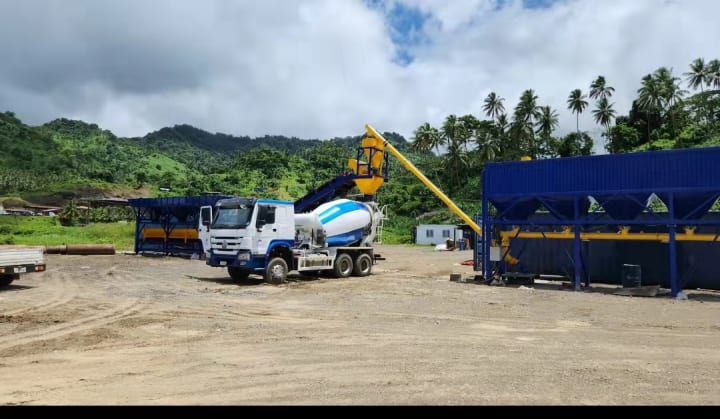
Why Energy Efficiency Matters
Energy consumption in concrete production is significant. Traditional batching plants use heavy motors, conveyors, mixers, and air compressors—all of which contribute to high energy usage. With rising energy costs and growing environmental regulations worldwide, manufacturers are under pressure to produce plants that:
Lower operational energy costs
Minimize environmental impact
Meet sustainability certifications for construction projects
Enhance competitiveness in bids for government and green building projects
As a result, energy efficiency has become a key selling point for new dry mix concrete batching plant models.
Key Technologies Driving Energy Efficiency
1. High-Efficiency Motors and Drives
New-generation batching plants now incorporate high-efficiency electric motors and variable frequency drives (VFDs). These systems adjust motor speed based on real-time demand instead of running at full speed continuously.
For example, conveyors and aggregate batching systems use VFDs to reduce power usage during low-load conditions. This optimization alone can lead to energy savings of up to 30% compared to traditional motors.
2. Optimized Material Handling Systems
Conveyor belts and elevators are responsible for a large portion of energy use in batching plants. In modern dry mix plants, material handling systems are designed to reduce friction, minimize unnecessary lifting, and improve routing efficiency. Lightweight conveyor materials, better tension systems, and energy-saving sensors contribute to more efficient operation with less power consumption.
3. Smart Control Systems
Advanced batching plant control systems now feature real-time energy monitoring and smart batching algorithms. These systems can:
Optimize batching sequences
Reduce idle times between batches
Control the start-stop sequence of motors
Schedule loads to minimize peak energy usage
Such smart control reduces wasteful energy surges and helps operators run plants in the most efficient manner possible.
4. Low-Energy Dust Collection Systems
Dust collection is vital in dry mix plants to maintain environmental compliance and workplace safety. Traditional systems can be energy-intensive, but modern plants are equipped with low-energy dust collectors featuring pulse-jet cleaning and high-efficiency filters that consume less compressed air and electrical power.
5. Energy-Efficient Aggregate Heating
In cold climates, heating aggregates is necessary for quality concrete production. New designs use energy-saving aggregate heating systems that recover and reuse waste heat, drastically reducing fuel and power consumption.
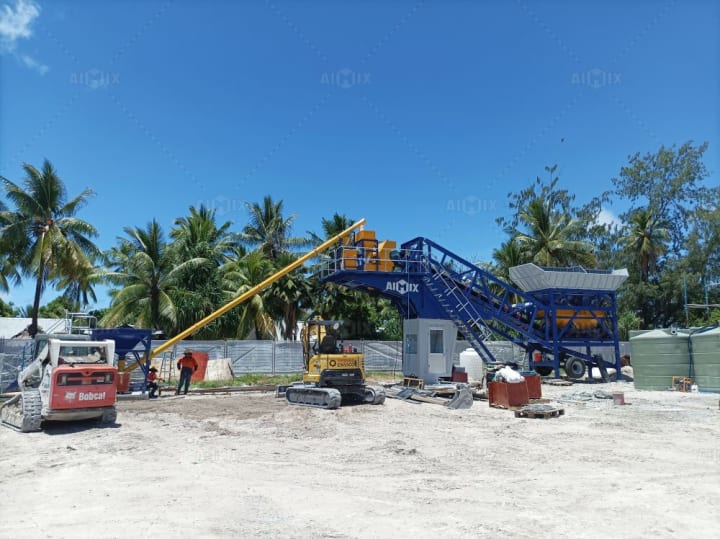
Benefits of Energy-Efficient Dry Mix Plants
Lower Operational Costs
Energy costs form a large part of operating expenses for concrete batching plants. By reducing energy consumption through smarter design and components, plant owners can lower their monthly utility bills significantly, improving profit margins over time.
Faster ROI
Although energy-efficient plants may have slightly higher upfront costs due to advanced technologies, the operational savings typically result in faster return on investment (ROI)—often within 1–2 years.
Environmental Compliance and Green Certifications
Many construction projects today, especially government-funded or commercial developments, require green certifications such as LEED. An energy-efficient dry mix batching plant can help contractors meet these requirements, opening the door to more lucrative contracts.
Enhanced Reputation
Operating eco-friendly equipment boosts a contractor’s reputation among clients, governments, and the public. It positions a company as a forward-thinking, responsible builder—an important advantage in today’s competitive construction market.
Challenges to Consider
While energy-efficient technology offers many benefits, it also requires:
Regular maintenance to keep high-efficiency systems running optimally
Operator training to maximize the capabilities of smart control systems
Higher initial investment, which must be justified through careful planning and project forecasting
Contractors and plant operators must weigh these factors carefully when deciding on a new plant purchase.
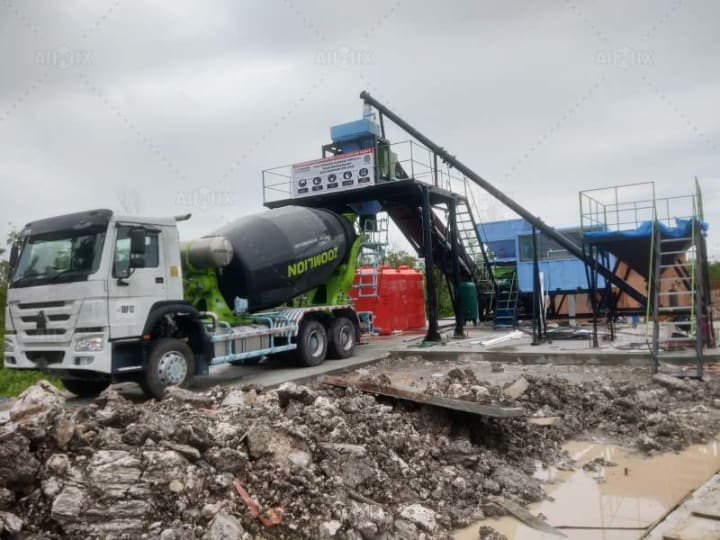
Future Outlook
As global focus on carbon neutrality and sustainable building continues to intensify, we can expect even more innovation in dry mix concrete batching plant design. Future developments may include:
Solar-powered auxiliary systems
AI-driven batching optimization
Greater use of recyclable and sustainable materials in plant construction
Manufacturers that continue to invest in energy-saving technologies will lead the market, while contractors who adopt these technologies early will reap significant competitive advantages.
Conclusion
Energy efficiency is no longer just a bonus feature—it’s becoming a core requirement in the world of dry mix concrete batching plants. New-generation plants offer substantial savings, environmental benefits, and enhanced operational control.
For construction companies aiming to reduce costs, increase profits, and embrace sustainability, investing in an energy-efficient dry mix concrete batching plant is a smart move that positions them for long-term success in a rapidly changing industry.
About the Creator
consrtuctionmachines
AIMIX is a customer-center-oriented heavy equipment manufacturer and supplier, devoted to production, innovation, combination, one-stop solution, etc.
https://aimixgroup.com/
Keep reading
More stories from consrtuctionmachines and writers in 01 and other communities.
How Modular Construction Reduces the Cost of Concrete Batching Plants
In the modern construction world, efficiency, flexibility, and cost control are more critical than ever. One major innovation helping businesses meet these demands is modular construction — especially in the field of concrete production. Today, modular design is transforming how batching plants are built, deployed, and maintained, significantly lowering the cost of concrete batching plant for businesses around the globe.
By consrtuctionmachines11 months ago in 01
How Asset Verification Works in Tokenization and Why It Matters for Institutional Investors
Asset verification is a critical step in tokenization, especially when dealing with real-world assets. Tokenization converts physical or traditional financial assets into digital tokens that can be traded, held, or managed on a blockchain network. For institutional investors, the authenticity, legality, and valuation of the underlying assets are fundamental. Without careful verification, tokenized assets can pose risks such as misrepresentation, fraud, or ownership disputes. Comprehensive verification provides investors confidence that their investments are secure and accurately represented in tokenized form.
By Ethan hunt5 days ago in 01
AI Personal Trainer Apps - 2026 Developer Blueprint
The fitness industry has seen a massive shift recently. Static video libraries are now a thing of the past. Users now demand interactive and real-time coaching. The AI Personal Trainer Apps - 2026 Developer Blueprint sets new standards. Modern apps require more than just a simple rep counter. They demand high-fidelity motion analysis. They also require empathetic feedback driven by Large Language Models (LLMs). Developers must move beyond basic API wrappers. They must build sophisticated edge-computing architectures. These systems must respect user privacy. They must also provide professional-grade athletic guidance.
By Devin Rosario4 days ago in 01



Comments
There are no comments for this story
Be the first to respond and start the conversation.