
Dragon Ball is a breakthrough in anime unlike any other before it.
Dragon Ball is a breakthrough in anime unlike any other before it.

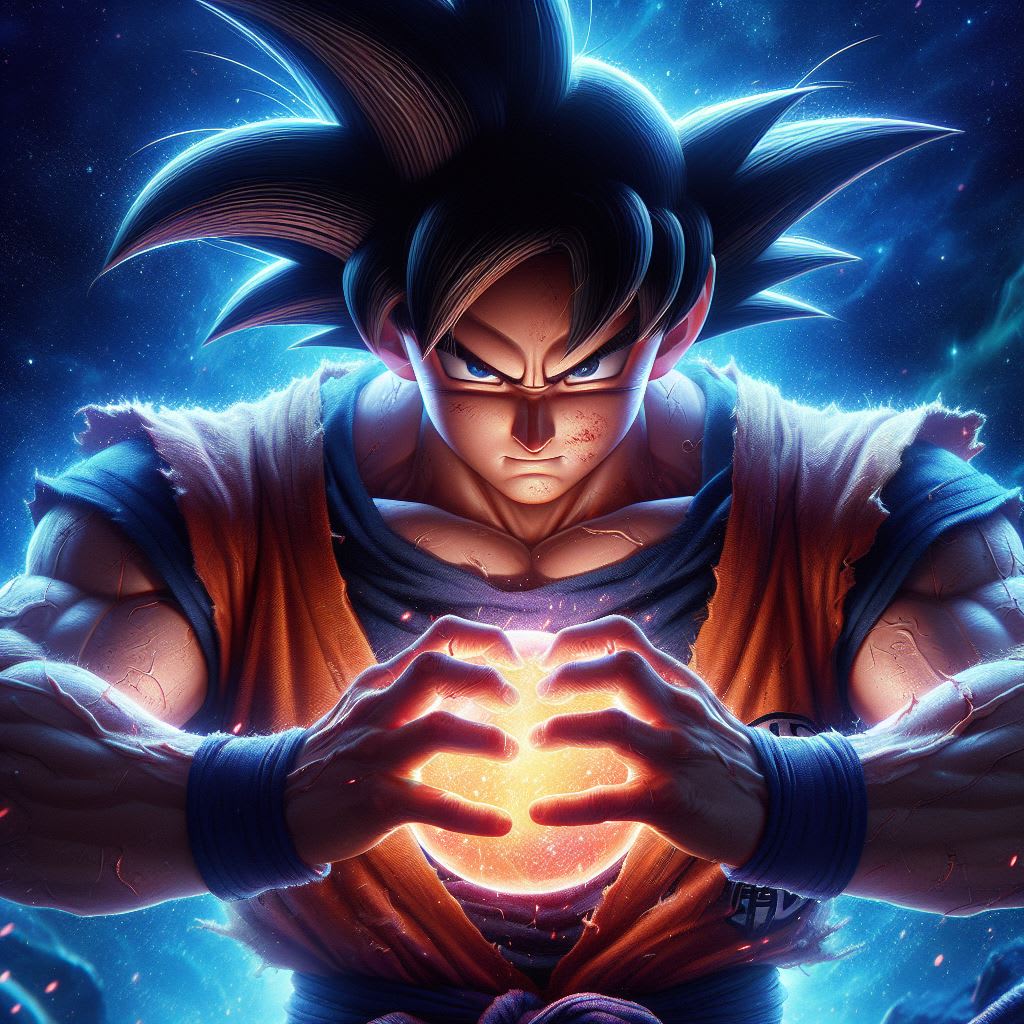
"Dragon Ball" is much more than just an anime; it's a cultural phenomenon that took shape and defined the landscape of animated storytelling since its release in the mid-1980s. Created by Akira Toriyama, "Dragon Ball" first broadcast in 1986 and soon became a staple of the shōnen genre. With its blend of action, humor, and adventure all combined, it set a standard for many anime that would follow well into the years to come. This article examines the great importance of "Dragon Ball" within anime and how it is set apart from its predecessors and its contemporaries.
Dragon Ball's Genesis
It all started with the very simple, yet somehow captivating premise of "Dragon Ball": a young boy, named Goku, who is abnormally strong and has a strange monkey tail, embarks on a journey to find the seven Dragon Balls-magical orbs that summon a dragon which will grant a person a wish. Toriyama's inspiration came from the classic Chinese novel "Journey to the West," mixing martial arts, adventure, and fantasy.
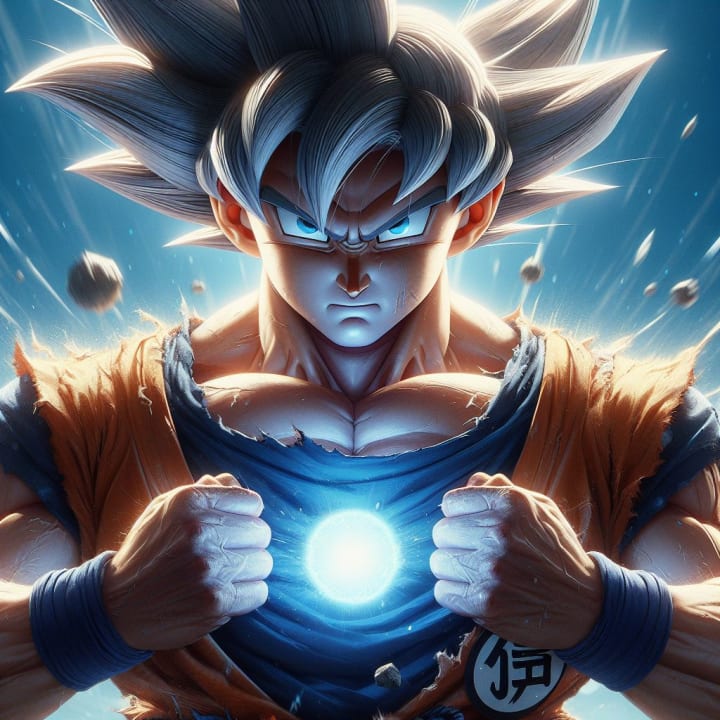
When "Dragon Ball" first hit the air, it was a groundbreaking work. While earlier anime series often worked on either a purely episodic model or targeted very young children, "Dragon Ball" mixed in new elements and added a more dynamic and serialized storytelling style. All of the characters of the show had grown and developed both physically and emotionally, providing a better attachment to the audience.
Groundbreaking Storytelling Elements
One of the distinguishing traits of "Dragon Ball" is an innovative approach to telling the story. The series skillfully merged humor, drama, and action into a proportionate plot that could satisfy every kind of audience. Such genre melding was barely represented in anime at that time. Characters were not limited just to their roles but also had distinct personalities, desires, and flaws.
It also managed to pioneer such techniques as tournament arcs in which characters participated in martial arts competitions. In these arcs, this had allowed the writers to set an easier pace for character development, new introduction of fighters, and increase in tension between Goku and his friends. The arc of the World Martial Arts Tournament became a template for future shonen anime, influencing series such as "Naruto," "One Piece," and "My Hero Academia."
Iconic Characters and Relationships
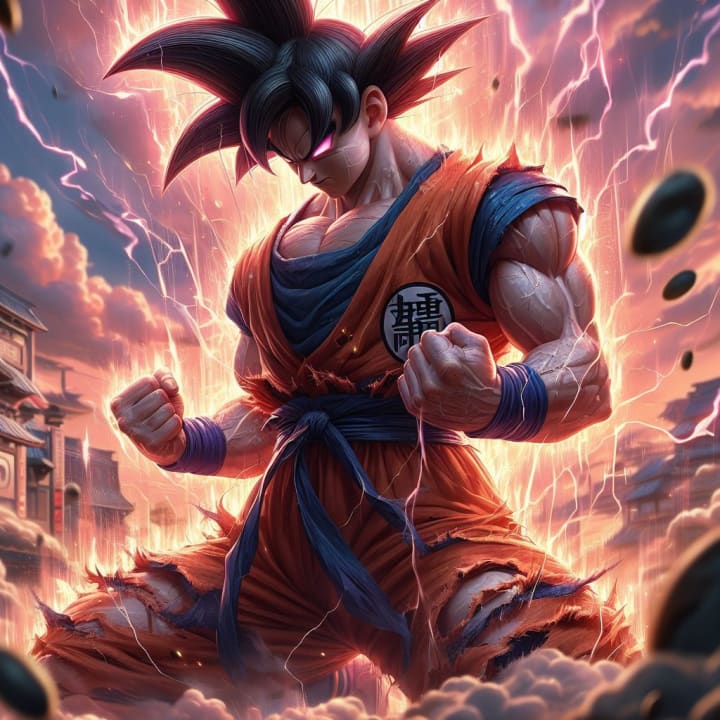
"Dragon Ball" hosts a large array of characters, each with their special abilities, motives, and pasts. The naive, strong Goku finds balance with a more colorful range of friends and foes: cunning Bulma, the fierce Vegeta, and wise Master Roshi. The interrelation between these characters changes throughout the series, showing themes of friendship, rivalry, and redemption.
The way their dynamic has gone, especially between Goku and Vegeta, is pretty amazing in how it really brings so much of the story together through their rivalry and develops each of these characters into their own form because of the rival nature of the others. This complex relationship has been a staple of so many anime since, wherein many of the characters are seen interacting in ways that reflect other messages beyond perseverance and transformation.
Artistic Influence and Animation Style
Visually, "Dragon Ball" innovated anime with its peculiar style and animation. The character design by Toriyama, which featured exaggerated features and much saturation in color, became iconic in itself. Moreover, the series also incorporated dynamic action sequences: it used speed lines, impact frames, and interesting camera angles that would add to the viewer's experience.
The gap in animation quality and style was strikingly different between "Dragon Ball" and "Dragon Ball Z". Introducing a more mature sense of the sequel series in tone, it had deeper story arcs and heightened action sequences that would make it very popular to new generations. With the use of power-ups and transformations like Goku's Super Saiyan form, this series defined it and set the model for other anime series.
Cultural Impact and Legacy
"Dragon Ball" is not just an anime; it's a cultural phenomenon that has lived through generations. You could see the influences of it on everything: video games, merchandise, live-action adaptations-you name it. This series has influenced so many artists, animators, and storytellers, pretty much leaving an inerasable mark within the industry.
Along with leaving its mark in anime, "Dragon Ball" contributed greatly to popularizing anime in the West. Dubbed into English, "Dragon Ball Z" introduced the series to millions of viewers outside of Japan and ushered the genre of other anime into international popularity. An overwhelming interest in recent times due to globalization has left anime with an eclectic mix of enthusiastic followers.
Conclusion: A Lasting Legacy
"Dragon Ball" is a witness to the power of storytelling in anime, its original narrative combined with its memorable characters and breakthrough animation literally set trends within the genre. While many series have drawn inspiration from its legacy, "Dragon Ball" remains unique for its ability to enchant audiences of all ages.
With new series, films, and adaptations being churned out by the constantly evolving franchise, its influence is felt more than ever. But more than a simple series, "Dragon Ball" is a cultural touchstone, having sent shockwaves through the anime landscape-to this day, continuing to inspire legions of fans and creators alike. Its legacy has survived the test of time, proving that great storytelling isn't tied to a moment in time or media, cementing "Dragon Ball" as one of a kind in anime history.
About the Creator
A Transparent Look at Vocal Challenges and Top Stories
Almost three years ago, we shared a resource article that served as a place for people to suggest new challenge prompts. We thought it would be a good idea to refresh that thread, and take the opportunity to answer a few common questions about top stories, how challenges are judged and how submissions are reviewed.
By Vocal Curation Team4 days ago in Resources



Comments
There are no comments for this story
Be the first to respond and start the conversation.