

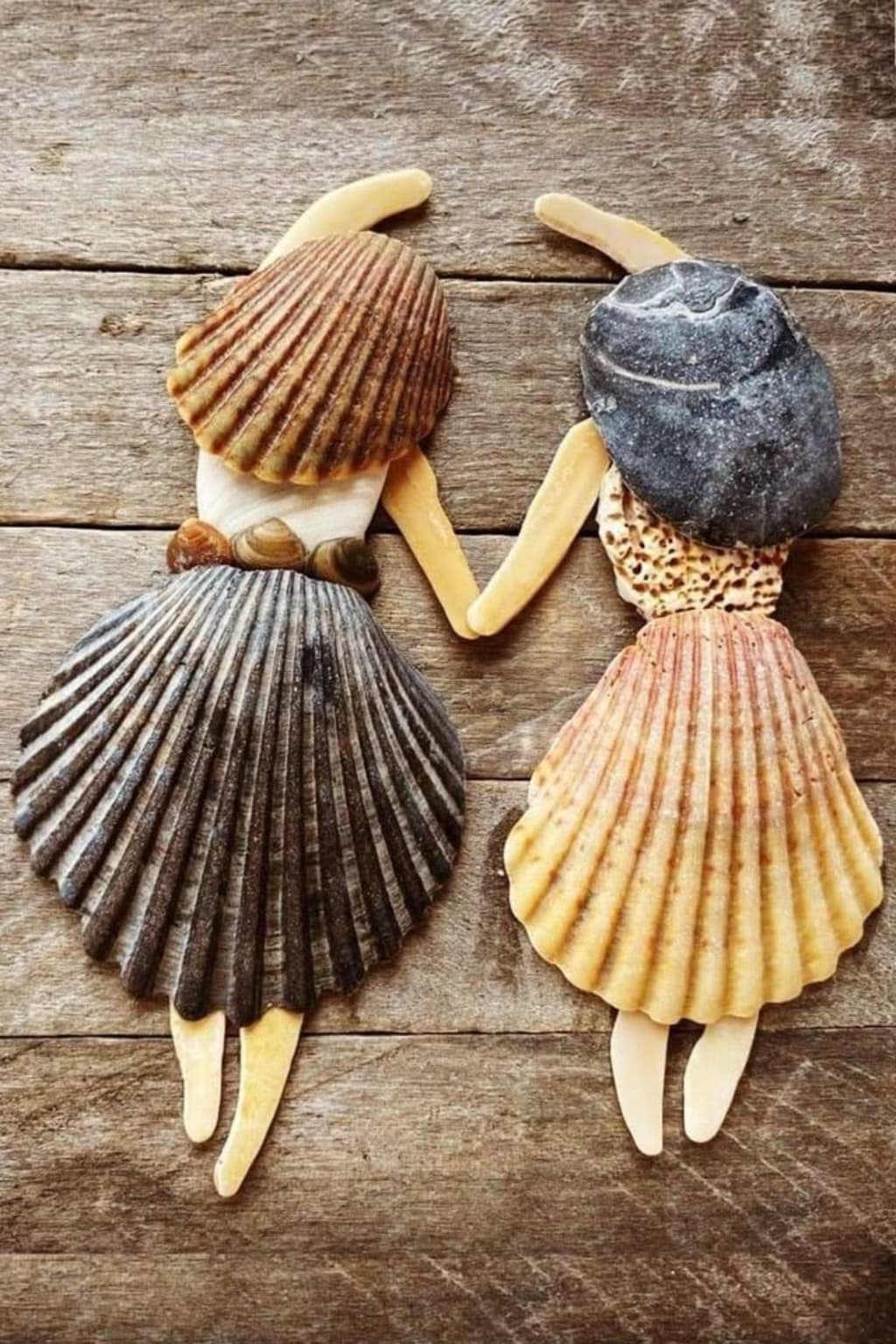
The Art and Tradition of Doll’s Craft
Doll’s craft is a time-honored form of artistic expression that spans centuries, cultures, and continents. Far more than simple children's toys, dolls have historically served as ritual objects, teaching tools, art pieces, and reflections of societal values. The craft of making dolls involves a delicate blend of artistry, cultural knowledge, storytelling, and technical skill. From the carved wooden figures of early civilizations to intricately costumed collectible dolls of today, doll’s craft continues to captivate artists and collectors around the world.
Historical Background
The creation of dolls can be traced back to ancient civilizations. Archaeological evidence suggests that dolls existed in Egypt as early as 2000 BCE. These early dolls, made of clay, wood, or ivory, often represented deities or were used in burial rituals. In Ancient Greece and Rome, dolls were crafted from terracotta or wax and were primarily used by children, though they also had ceremonial uses, such as being offered to the gods during a girl's coming-of-age ritual.
In Japan, the history of doll-making is deeply rooted in religious and seasonal traditions. Hinamatsuri, or Doll Festival, celebrated on March 3rd, involves displaying ornamental dolls representing the imperial court. In Africa, dolls were often created as fertility symbols or teaching aids, representing ideals of womanhood and family life. Native American cultures also made dolls from cornhusks or leather, often without faces, to teach humility or moral lessons.
Cultural Significance
Dolls have long served as mirrors of the societies in which they were created. In Europe during the Renaissance, dolls began to resemble fashionable women of the era, serving not just as playthings but also as models of the latest styles for aristocrats. In the 19th century, dolls were used in educational settings to teach young girls domestic roles, sewing, and etiquette.
Many indigenous cultures continue to use dolls in storytelling, rituals, and rites of passage. The Hopi tribe of the American Southwest, for instance, crafts kachina dolls to represent spiritual beings. These dolls serve as tools for teaching children about their spiritual heritage and tribal values. Similarly, in Eastern Europe, motanka dolls, traditionally made from scraps of cloth without sewing or facial features, were believed to protect homes from evil spirits.
Materials and Techniques
The techniques and materials used in doll’s craft are as diverse as the cultures that practice it. Traditional materials include:
Wood: Carved wooden dolls, such as Japanese Kokeshi or German Peg dolls, are known for their simple yet expressive forms.
Cloth and Yarn: Rag dolls have been a staple in many cultures due to the accessibility and softness of the materials, often created with leftover fabric and stitched by hand.
Porcelain and Bisque: These materials became popular in the 19th century, especially in Europe, where fine porcelain dolls with realistic features became highly sought after by collectors.
Wax, Papier-mâché, and Resin: Used for more detailed and durable creations, especially in doll-making from the Victorian era onward.
In modern doll-making, materials like polymer clay, silicone, and plastic have expanded creative possibilities. Artists now employ sculpting, painting, sewing, hair rooting, and digital design techniques to create lifelike or stylized figures.
Types of Dolls
There are various categories within doll’s craft, each with unique traditions and characteristics:
Traditional/Folk Dolls: Often handmade with locally sourced materials, reflecting cultural dress and customs.
Fashion Dolls: These include iconic figures like Barbie or Blythe, designed to reflect or influence fashion trends.
Collector’s Dolls: Made with attention to detail and often limited in number, intended for adult collectors rather than children.
Art Dolls: One-of-a-kind pieces created by artists for exhibition, often blending fine art with doll-making techniques.
Ball-Jointed Dolls (BJDs): Popular in East Asia, especially in Japan and South Korea, these dolls have articulated joints and are customizable, allowing owners to modify hair, clothing, and even facial features.
Modern Revival and Artistic Expression
In recent decades, there has been a renewed interest in handmade and artistic dolls, driven by nostalgia, cultural appreciation, and the rise of independent artisans. Online platforms such as Etsy and Instagram have allowed doll makers to reach global audiences. Artists often use dolls to explore complex themes such as identity, gender, ethnicity, and body image.
For example, some modern doll artists create dolls that represent marginalized communities, including differently-abled individuals, people of various skin tones, and dolls with vitiligo or alopecia. These efforts aim to increase inclusivity in an industry historically dominated by Eurocentric standards of beauty.
Additionally, the doll-making community is supported by conventions, online forums, and workshops that bring artists and enthusiasts together. Events such as DollCon, BJD conventions, and regional craft fairs serve as vital spaces for learning and showcasing innovation in the craft.
Therapeutic and Educational Roles
Beyond artistic and recreational use, dolls also serve therapeutic functions. Doll therapy is increasingly used in dementia care, where lifelike baby dolls provide comfort and stimulate memory. Similarly, psychologists use dolls in play therapy with children to help them express emotions and navigate traumatic experiences.
In educational settings, doll-making projects can teach students about history, culture, design, and empathy. Creating a doll involves planning, creativity, and manual dexterity, offering a multidisciplinary learning experience that fosters both cognitive and emotional growth.
Challenges and Sustainability
Despite the vibrant world of doll’s craft, the field faces challenges such as mass production and environmental impact. Commercially manufactured plastic dolls contribute to pollution, and the over-commercialization of doll culture can overshadow traditional practices. In response, many crafters are turning to sustainable materials and reviving lost techniques.
Eco-conscious doll makers use organic cotton, plant-based dyes, and biodegradable packaging. Some also advocate for minimalism and the slow craft movement, encouraging a deeper connection with handmade goods rather than disposable mass-market toys.
Conclusion
Doll’s craft is an enduring and multifaceted art form that spans centuries and civilizations. It is a medium through which people have expressed creativity, celebrated cultural identity, passed down traditions, and explored human nature. Whether created for play, display, ritual, or reflection, dolls continue to hold a unique place in the human experience. In a world of rapid technological change, the intimate, handcrafted nature of dolls reminds us of our shared history and the timeless value of artistry and care.
About the Creator
Mine_Craft
I'm passionate about the art of crafting—bringing ideas to life with creativity, patience, and hands-on skill.
Keep reading
More stories from Mine_Craft and writers in 01 and other communities.
Fruit Craft
Fruit Craft: A Juicy Blend of Strategy, Social Gaming, and Humor Mobile gaming has become one of the most dynamic arenas in the entertainment industry, with developers constantly pushing boundaries to captivate audiences. Among the many titles that stand out in the realm of mobile games, Fruit Craft offers a unique, colorful, and surprisingly strategic experience. Developed by the Iranian studio Bahman Group, Fruit Craft is a social collectible card game (CCG) that combines humor, regional cultural references, and a fruity aesthetic to create a light-hearted yet competitive gameplay experience.
By Mine_Craft9 months ago in 01
From Static Vulnerability Checks to Abuse‑Aware API Security in Modern Applications
As APIs continue to power digital interfaces, they also present a growing attack surface. Traditional security approaches often stop at static vulnerability checks, leaving modern applications exposed to sophisticated abuse patterns. Vulnerability scanners and rule‑based tools are no longer sufficient to secure APIs in an environment where attackers use behavior, intent, and logic to evade detection.
By Sam Bishop7 days ago in 01
🅼🅸🅳🅽🅸🅶🅷🆃 🆂🅽🅰🅲🅺🆂
"It's 10 in Tuscon! We all know what that means... It's Time for Midnight Snacks with your man, Gerald Gee! Ready to spend the night together? Me too! I'm full of snacks and can't wait to regurgitate them all back into your hungry ears. Crack a brew! Pop some corn! Anything to get ready for one hell of a show where the talk maybe cheap but the words cut deep...
By Lamar Wiggins5 days ago in Fiction


Comments
There are no comments for this story
Be the first to respond and start the conversation.