
Dog Well-Trained But Not Well-Behaved: Understanding the Difference
Well-trained vs. well-behaved dog.

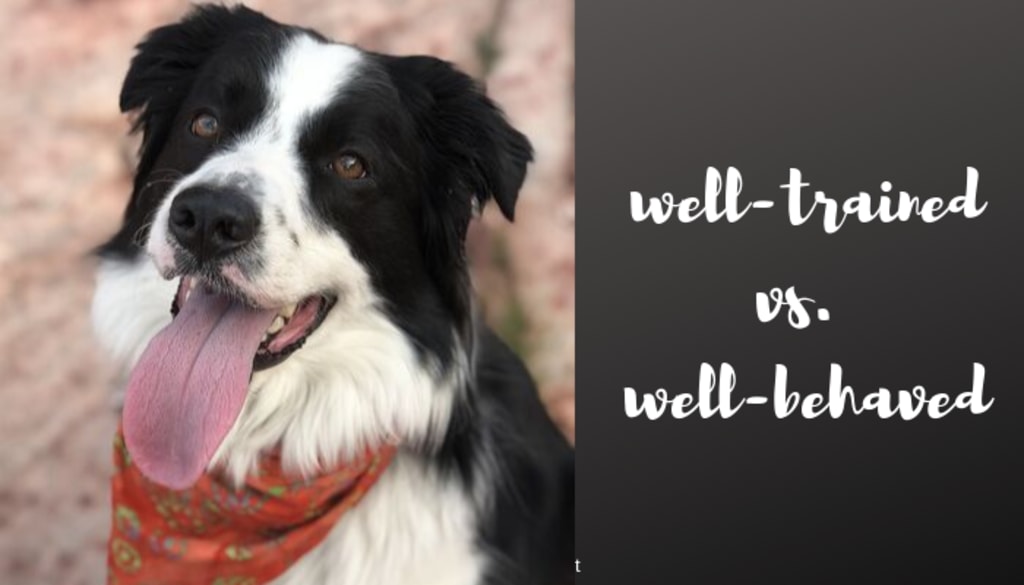
Training a dog and ensuring it behaves well are often thought to be the same thing. However, this couldn't be further from the truth. Throughout my career, I’ve encountered dogs that were impressively trained, capable of performing all sorts of tricks like sitting, staying, shaking hands, fetching, rolling over, and lying down on command. Yet, despite their exceptional training, these same dogs displayed serious behavioral problems, including aggression toward other dogs, excessive barking, destructive chewing, and even pulling on the leash during walks. This distinction highlights a critical point: being well-trained does not necessarily mean being well-behaved.
Understanding Dog Training
Dog training, at its core, is about teaching a dog to perform a specific task or “trick” upon hearing a certain command, usually followed by a reward. The most common approach to dog training is positive reinforcement. When a dog successfully performs the desired action—whether it’s “sit,” “stay,” or “fetch”—they receive a treat, toy, or some other reward. Over time, the dog associates the word with the action, repeating the behavior because they expect a reward.
With enough practice, the dog might even perform the trick without needing the reward each time. For instance, you say “give me five,” and the dog raises its paw instinctively. This is a conditioned response where the dog learns to expect something positive in return for following a command. However, this type of training, while effective for teaching tricks, doesn’t address underlying behavioral problems that a dog may have.

The Problem with Dog Training Alone
One significant limitation of dog training is that it doesn’t solve deeper behavioral issues. You may have experienced calling your dog to come to you, a command you’ve diligently trained them to follow, only to have them ignore you when a distraction, like a squirrel, another dog, or the mailman, catches their attention. Worse, some dogs are excellent with basic obedience commands but show aggression toward other dogs or people, or they exhibit fear toward loud noises, strangers, or even family members.
A famous example of this disconnect is Pal, one of the dogs who played Lassie in the beloved TV show. Despite being one of the most well-trained dogs in the world, Pal had behavioral issues, including barking excessively and chasing motorcycles. The lesson here is that even the best-trained dogs can still have significant behavioral problems if these deeper issues aren’t addressed.
Addressing Behavioral Problems: Dog Rehabilitation
Rehabilitating a dog’s behavior requires going beyond simple training commands. It’s about understanding and addressing the root causes of the dog’s misbehavior. Are they bored? Frustrated? Fearful? Overexcited? These emotional states often drive problematic behaviors. Without identifying and dealing with these underlying emotions, you can have a dog that performs tricks flawlessly but is still nervous, aggressive, or anxious.

Dog training alone is not enough to rehabilitate a dog’s behavior. It’s a man-made system that teaches dogs to associate commands with rewards, but it doesn’t address the real-world psychological issues that can affect a dog’s behavior. One of the most critical factors influencing a dog’s behavior is the emotional energy of the people around them. Dogs act as mirrors to their owners, reflecting back the energy they receive. If the people around them are anxious, angry, or overly excited, the dog will likely display similar behaviors. On the other hand, if the human is calm and assertive, the dog will be more likely to remain calm and obedient.
The Importance of People Training in Dog Rehabilitation
This brings us to the critical aspect of dog rehabilitation: training the human. I believe that people need to be equipped with the right skills and knowledge to understand and communicate with their dogs. I don’t like being called a dog trainer. Instead, I see myself as a bridge between two species. My goal is to teach people how to "speak" dog, how to understand dog psychology, and how their energy influences their dog’s behavior.

Once people understand this connection, they can start changing their energy and actions to achieve the behavior they want from their dog. This includes understanding how to fulfill their dog’s needs to keep them happy, balanced, and calm. When the dog feels fulfilled and understood, behavioral problems like aggression, anxiety, or excessive barking are much less likely to occur.
Creating a Balanced and Fulfilled Dog
A well-behaved dog is a happy and fulfilled dog. This comes from following a formula that involves work, rules, and rewards. It’s not just about teaching a dog to perform tricks but providing them with a structured environment where they feel secure, balanced, and valued. By ensuring a dog’s emotional and psychological needs are met, you can transform their behavior and enjoy a harmonious relationship with your furry companion.
Conclusion: Training Your Dogs and Cats | EBooks
If you're looking to deepen your understanding of dog (or even cat) behavior and improve your pet’s well-being, consider exploring Training Your Dogs and Cats | EBooks.
>>>Why Is Our eBook The Best Option For You?
These resources are designed to provide valuable insights into pet training, addressing both the tricks and behavioral aspects that lead to a well-behaved, happy pet. Whether you’re struggling with common behavioral issues or want to take your training to the next level, these eBooks offer practical guidance to help you better connect with and care for your beloved pets.
About the Creator
mureed hussain
Hi, I’m a creative writer passionate about health & wellness, love, longevity, aging, and pet care. With extensive Quora experience, I craft engaging posts, thoughtful questions, and insightful answers.
Find me at>>[email protected]
Keep reading
More stories from mureed hussain and writers in 01 and other communities.
Boosting Your Immune System: Natural Life Hacks for Peak Health
The immune system is the body’s natural defense, a complex network of cells, tissues, and proteins that work together to protect us from harmful invaders such as viruses and bacteria. It’s designed to identify foreign substances and respond by creating antibodies that destroy these threats, helping us stay healthy. But while our immune systems are powerful, they need regular maintenance and support to function at their best.
By mureed hussainabout a year ago in 01
Handbags and the Modern Conversation Around Replica Handbags
Handbags are one of the most enduring and adaptable accessories in human history. Originally designed as simple carriers for personal belongings, handbags gradually evolved alongside changes in clothing, travel, and social structures. Over time, they became objects that combine practicality with visual identity. Today, handbags are discussed not only as fashion items but also as cultural and economic symbols.
By charliesamuelabout 15 hours ago in 01
What Happens When You Block Someone on Snapchat?
What happens when you block someone on Snapchat? Though we wish it never occurs to you, are we all curious about what happens whenever you block others on Snapchat? For some reason, viewers never get to experience the other aspect of the story. Can they still get in touch with you? Are they able to see your storylines?
By Intelligent Creator5 days ago in 01
A Failed Artist, A Disillusioned Poet, An Underpaid Game Show Host
I took my son and niece to Gori, a small town in Georgia where Joseph Stalin was born. They talked me into visiting the Stalin's Museum, the largest in the post-Soviet space. I had resisted going there because I just can't stand the monster and know enough about him, or so I thought.
By Lana V Lynx6 days ago in FYI




Comments
There are no comments for this story
Be the first to respond and start the conversation.