
Does Cardboard Count as Green Waste?
By Harry Thompson


In many parts of the world, “green waste” is commonly understood to be organic matter such as grass clippings, leaves, and small branches. These are materials that, once broken down, contribute essential nutrients to soil and compost.
However, when it comes to cardboard, the classification can sometimes be less clear. Is cardboard truly “green waste,” or does it belong in a different category altogether?
First of All: What Is Green Waste?
Green waste is often made up of fresh, moist plant-based matter, like fruit and vegetable scraps or garden trimmings. The term “green” signifies that these materials decompose quickly due to their high nitrogen content.
Meanwhile, items that are brown or “carbon-heavy,” such as dried leaves and woody stems, also play a vital role in composting systems. These materials break down at a different pace and contribute structural integrity to compost piles.
Cardboard: A “Brown” Material
Cardboard, despite being biodegradable, isn’t typically classified as green waste. Instead, it’s considered a “brown” material in composting terminology. The key reason is its high carbon content, which helps balance the more nitrogen-rich items (e.g., fruit peels, grass clippings) in your compost bin.
When shredded and free from plastic coatings or heavy dyes, cardboard can indeed be composted. In that respect, it functions much like paper or dead leaves—materials that improve aeration and overall compost texture.
Yet, whether you can simply toss cardboard in with your green waste depends on local waste management rules. In many municipal systems, cardboard is recyclable and should be placed in a designated recycling bin rather than a yard waste container.
Clean, dry cardboard is one of the easiest materials to recycle, making it a perfect candidate for repurposing into new paper products. If you’re unsure, check with your local council or waste management authority to clarify how best to handle it.
Sustainable Disposal Options
If you have large amounts of cardboard and want to ensure responsible disposal, you have a few avenues:
- Municipal Recycling Programs or Specialized Facilities
Most cities offer curbside pickup for cardboard as part of standard recycling. Alternatively, specialized organizations like TerraCycle accept certain types of packaging and hard-to-recycle materials, although they don’t provide junk removal services.
If you prefer a DIY approach, dropping cardboard off at such facilities ensures it’s reused efficiently.
- Professional Help from Eco-Conscious Companies
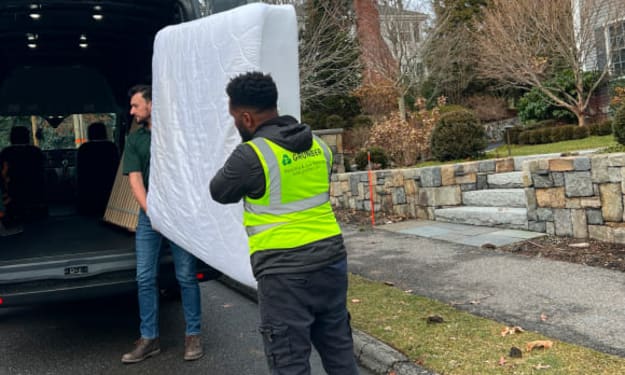
If the volume of cardboard is overwhelming—or you have a mix of recyclables and non-recyclables—consider a company like Grunber. They specialize in eco-friendly solutions, aiming to recycle or repurpose materials where possible.
Whether you need junk removal in California or Junk Removal in Texas, their goal is to keep valuable resources out of landfills and give them a second life. By working with a team that understands recycling guidelines and composting best practices, you’ll minimize your environmental footprint.
Composting Cardboard at Home
For those interested in home composting, cardboard can be a valuable “brown” addition. Here are a few tips to make the most of it:
- Remove Contaminants
Ensure any tape, staples, or plastic liners are taken off before composting.
- Shred or Tear It
Breaking cardboard into small pieces increases its surface area, helping microorganisms decompose it more rapidly.
- Balance With “Green” Materials
Combine shredded cardboard with items such as fruit peels or coffee grounds to maintain a healthy nitrogen-to-carbon ratio.
- Maintain Proper Moisture
Compost piles need the right amount of moisture—too much water and you risk mold, too little and decomposition slows down.
Final Thoughts
Although cardboard might not officially count as “green waste,” its biodegradable properties and high carbon content make it a valuable resource when handled correctly. The key is knowing where it fits: either in your recycling bin or your compost pile, depending on local regulations and whether it’s suitable for repurposing.
By being indful of these guidelines—recycling clean cardboard, composting shredded pieces, or calling on sustainable services—you ensure that each box gets a second life instead of heading straight to the landfill. And whether you use a specialty recycling facility, manage your own backyard compost, or work with an eco-focused junk removal service, you’ll be contributing to a more sustainable, circular economy—one cardboard box at a time.
About the Creator
Harry Thompsom
Passionate Writer
Keep reading
More stories from Harry Thompsom and writers in 01 and other communities.
Grunber: From Boston’s Streets to Nationwide Success in Junk Removal
Let me tell you, I’ve always been fascinated by brilliant ideas that seem to pop up overnight. It’s even more exciting when they spring from a city with such a storied past and forward-thinking vibe as Boston. Picture this: it’s 2021, we’re in the cobblestone streets near Faneuil Hall, and a small team of visionary entrepreneurs is about to turn the waste-disposal world on its head.
By Harry Thompsomabout a year ago in 01



Comments
There are no comments for this story
Be the first to respond and start the conversation.