
Do you know why we get a fever?
Why does fever occur - what precautions should be taken if fever occurs
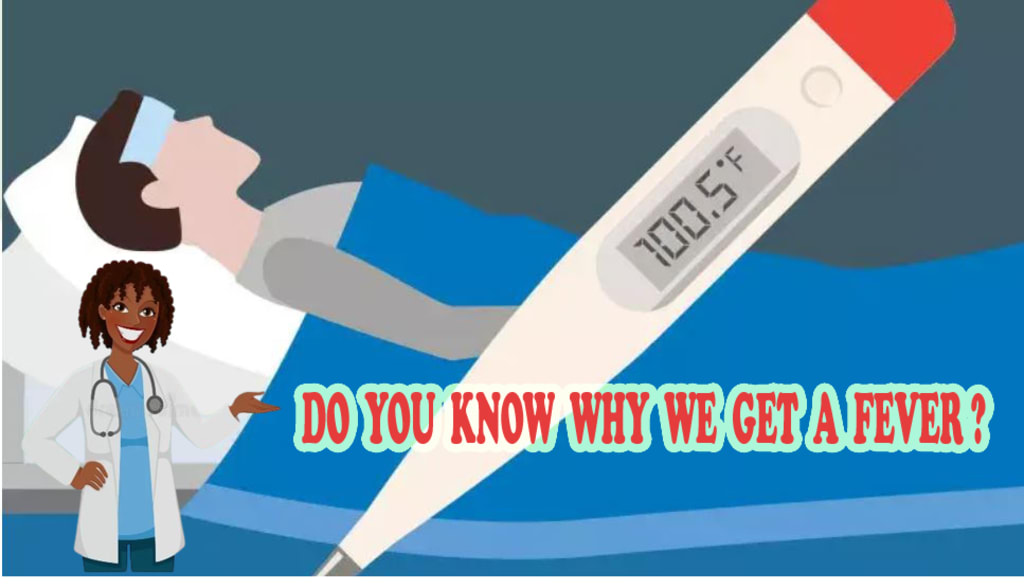
Do you know why we get a fever?
Fever, clinically known as pyrexia, is an abnormal increase in body temperature, usually due to an illness. Commonly thought as an undesirable side effect of diseases, fever is actually an effective way the body uses to fight infections. Patients usually recover faster when they allow fever to run its course rather than suppressing it with fever-reducing medications. This is because a higher temperature slowdown the growth of most pathogens, as well as boosts the effectiveness of the body's immune response. It also increases metabolic rates and thereby accelerating tissue repair. Normally, the hypothalamus keeps the body's temperature within a narrow range around 37degrees Celsius, or 98.6 degrees Fahrenheit. The hypothalamus acts like a thermostat. It receives inputs from heat and cold receptors throughout the body, and activates heating or cooling, accordingly. When the body is too hot, the hypothalamus sends instructions for it to cool down, for example, by producing sweat. On the other hand, when temperature drops, the hypothalamus directs the body to preserve and produce heat, mainly via the release of nor epinephrine. Nor epinephrine increases heat production in brown adipose tissue and induces vasoconstriction to reduce heat loss. In addition, acetylcholine stimulates the muscles to shiver, converting stored chemical energy into heat. Fever is part of the inflammatory response. When immune cells detect the presence of a pathogen, for example, upon binding to a component of bacterial cell walls, they produce inflammatory cytokines. Some of these cytokines are fever-inducers, or pyrogenic. Pyrogenic cytokines act within the hypothalamus to induce the synthesis of prostaglandin E2,PGE2, the major fever inducer.PGE2 acts on thermoregulatory neurons of the hypothalamus to raise the body’s temperature set point. In other words, PGE2 tricks the hypothalamus into thinking that the body is cold, while in fact the temperature did not change. In response, the hypothalamus instructs the body to actively produce heat to raise body temperature above normal. Fever-reducing medications, such as aspirin and ibuprofen, work by suppressing PGE2 synthesis. Once infection is cleared, pyrogens are no longer produced and the hypothalamic thermostatis set back to normal temperature. Cooling mechanisms, such as sweating and vasodilation, are activated to cool the body down. While fever is usually beneficial and need not be treated, precaution should be taken to prevent body temperature from running too high, which may cause confusion, seizures and irreversible damage to the brain. Finally, it is important to differentiate between fever and hyperthermia, the latter is often caused by extended exposures to extreme heat, or heat stroke. Unlike fever, the body’s temperature set point in hyperthermia is unchanged and the body does not produce the extra heat; its cooling system is simply exhausted and fails to compensate for the excessive external heating. Hyperthermia is always harmful and must be treated with various cooling methods. Fever-reducing medications have no effect on hyperthermia as pyrogens are not involved.
Here are some short steps to manage or reduce fever:
• Stay Hydrated
Drink plenty of fluids like water, herbal teas, coconut water, or oral rehydration solutions to stay hydrated and prevent dehydration caused by the fever.
• Cool Compress
Apply a cool, damp cloth to your forehead, neck, or wrists to help bring down the body temperature. This provides relief from the heat.
• Rest
Your body needs energy to fight off the infection causing the fever, so it’s important to rest as much as possible.
• Wear Light Clothing
Wear lightweight and breathable clothing. This helps in regulating your body temperature. Avoid bundling up with heavy blankets unless you have chills.
• Take Fever-Reducing Medication
Over-the-counter medications like acetaminophen (Tylenol) or ibuprofen (Advil, Motrin) can help lower the fever. Follow the recommended dosage and consult a healthcare professional if necessary.
• Lukewarm Bath
Taking a lukewarm bath or sponge bath can help cool your body. Avoid using cold water, as it can cause shivering and increase your body temperature.
• Monitor the Fever
Keep track of the fever using a thermometer, especially if it is above 102°F (38.9°C) in adults or lasts more than 3 days. High or persistent fever should be addressed by a doctor.
• Seek Medical Attention
If the fever is very high, lasts more than a few days, or is accompanied by severe symptoms (such as difficulty breathing, chest pain, confusion, or persistent vomiting), it’s important to seek medical attention immediately.
Thank you
Your Jilani,
About the Creator
Keep reading
More stories from Shaik Abdul Khadar Jilani and writers in 01 and other communities.
Dario Saric Cleared to Play for Golden State Warriors on Wednesday
Heading: Golden State Warriors' Dario Saric Set to Return After Hip Injury Introduction : The Golden State Warriors, one of the NBA's most storied franchises, are about to receive a significant boost as their power forward, Dario Saric, nears his return to the court after a hip injury. Initially listed as "probable," Saric has now been declared active for the forthcoming clash against the Sacramento Kings. This development is a breath of fresh air for the Warriors, as they eagerly anticipate bolstering their roster with Saric's skills and presence.
By Shaik Abdul Khadar Jilani2 years ago in Gamers
Best Laptops in the World in 2026
Every year, people search for the same thing in slightly different ways. Best laptops 2026, Best laptop for students, Best laptop for gaming, Best laptop for work., Best laptop for video editing., Best budget laptop., Best Windows laptop., Best laptop for college., Best laptop for programming., Best laptop for everyday use.
By Edward Smith2 days ago in 01
A More Human Vocal
When we launched Vocal nearly a decade ago, the world was a very different place. LLMs did not exist, and stories were created one at a time by people sitting down to write, revise, and share something personal. Many of our assumptions about publishing, trust, and participation were built for a world where effort and output were inseparable.
By Justin @ Vocal4 days ago in Resources



Comments
There are no comments for this story
Be the first to respond and start the conversation.