
Do Vibration Machines Really Work?
Let’s Find Out

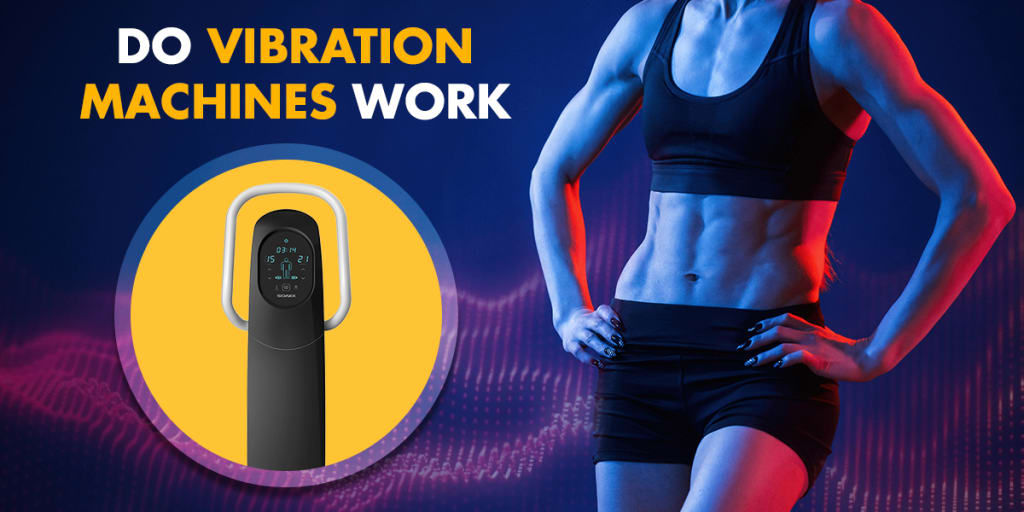
Wouldn’t it be amazing if you could stand on a machine that would shake off those extra pounds?
Well, according to exercise experts, the technology does exist. And it’s called a whole-body vibration machine.
Simply put, vibration machines deliver whole-body vibration to a person standing, sitting, or lying on a machine. The machine’s vibrations send gentle vibrations through the body, causing muscles to contract and relax.
But do vibration machines work?
Well, the short and sweet answer to that question is yes. Supporters of vibration exercise claim that vibration plates allow your muscles to work faster, harder and can effectively help you reduce your fat, construct muscle, and get stronger.
Beyond these benefits, vibration therapy has also emerged as a potential tool for lymphatic drainage. Upon using the best vibration plate for lymphatic drainage, you can stimulate muscle contractions and improve circulation, and it may help move lymph fluid productively, supporting the body’s natural detoxification process.
How Do Vibration Machines Work?
Vibration plates are quite easy as they consist of one metal frame with a vibrating plate on top. Some machines come with remotes; that way you can choose the amount of vibration to whatever you prefer. Some machines have handlebars to grab onto while you get your shake on.
A 2021 study assessed whole-body vibration training among old people. The researchers wanted to assert whether it would improve their physical performance and muscle strength before resistance training. To get more clarity, a sonic vibration machine was utilized in this study. (This type of machine uses a sonicwave generator to create the vibration waves.)
The groups were divided into two groups, one focusing on the vibration training before strength training and the other group performed stretching before the strength training. The results highlighted that both groups experienced significantly better lower-extremity strength. The difference wasn’t a resounding success, but the whole-body vibration group was the only group to have experienced an improvement in physical performance.
This valuable information tells us that there are some definitive benefits, especially when it comes to exercise performance.
Types of Vibration Therapy Machines
There are four main types of vibration machines: Pivotal, sonic, linear, and tri-planar.
1.The Pivotal Vibration Machine
This is one of the most common types of vibration plates for home use. Users can stand or sit on it while the left and right sides alternate up and down. The center remains fixed.
Many have found this to be the most comfortable one than the others mainly because the movement it generates is natural and much akin to how hips move when you’re on a long walk or run.
2.The Sonic Vibration Machine
This whole-body vibration machine uses sound wave technology to create vertical vibrations or linear vibration. The biggest advantage is that a sonic vibration plate generates gentler, more fluid vibration. Additionally, sonic plates tend to offer a much wider intensity range, allowing you to use it for workouts, as well as gentle vibration therapy.
3.The Linear Vibration Machine
Linear vibration plates move up and down. Some people have reported feeling dizzy because they can feel the vibration move up to their heads. This sort of machine is mostly used by professional athletes who require jumping. It helps in building stronger muscles because higher vibration frequencies are aligned with the lower amplitudes, which allows leg muscles to contract quickly.
4.The Tri-plane Vibration Machine
As the name would suggest, this type of machine vibrates across three zones. Up and down, side to side, and forward and back. And since there are three plates that move in three different motions, they naturally generate more muscle contraction. These machines are mostly seen in sports training and gyms.
What Are the Benefits of Whole-Body Vibration Machine?
From what we’ve gathered, vibration machines assist in improving physical performance, boosting fat loss, increasing expenditure and energy. That said, there are other vibration machine benefits too:
1.Improved Posture & Balance
Vibration therapy can help improve muscle tone and flexibility. By stimulating muscle contractions, it can enhance neuromuscular control, allowing for better posture and joint stability. This can lead to improved balance and coordination, helping you maintain positions for longer periods.
2.Decrease Cortisol
Cortisol, often referred to as the stress hormone, can negatively impact overall health. Studies suggest that whole-body vibration therapy can help reduce cortisol levels. By promoting relaxation and reducing stress, it can contribute to a better mood and overall well-being.
3.Increase Bone Density
Bone density tends to decrease with age, especially in women. Research indicates that whole-body vibration can help stimulate bone growth and increase bone mineral density. This can be particularly beneficial for preventing osteoporosis and maintaining bone health.
4.Bone Health
Building upon the increase in bone density, vibration therapy can improve overall bone health. By strengthening the supporting muscles and tendons around the bones, it can reduce the risk of fractures and injuries. The key is to use a gentle vibration machine.
5.Muscle Strength
Vibration machines can help increase muscle strength and power. The rapid contractions and relaxations induced by the vibrations can challenge the muscles in a unique way, leading to increased muscle mass and tone.
Comparing Vibration Machines to Other Fitness Tools
Here’s a comparison of vibration exercise and other types of exercise machines:
Vibration Machine vs. Treadmills
Advantage: Shorter workout time, less impact on joints, potential benefits for bone health and muscle strength.
Disadvantage: Less effective for cardiovascular conditioning compared to running, may not be as enjoyable for some users.
Vibration Machine vs. Elliptical Machines
Advantage: Targets specific muscle groups, potential benefits for bone health, quicker workout.
Disadvantage: Less effective for overall calorie burn, limited range of motion compared to ellipticals.
Vibration Machine vs. Weight Training
Advantage: Can enhance muscle activation, potential benefits for bone health, shorter workout time.
Disadvantage: Less effective for building significant muscle mass, limited control over exercise intensity.
Vibration Machine vs. Yoga
Advantage: Potential benefits for bone health and muscle strength can be incorporated into a warm-up or cool-down.
Disadvantage: Does not offer the same flexibility, balance, or mindfulness benefits as yoga.
Potential Risks and Side Effects
While there are various benefits of vibrating machines that we’ve gone through, it does come with some potential risks that people should take into consideration:
- Vibration-induced discomfort: Some individuals may experience muscle soreness or discomfort, particularly after initial use.
- Dizziness or nausea: Intense vibrations can sometimes lead to dizziness or nausea, especially in sensitive individuals.
- Joint discomfort: While vibration machines can benefit bone health, excessive use or improper form may exacerbate existing joint issues.
- Headache: In some cases, the vibrations can trigger headaches.
Risks of Overuse Injuries
Prolonged or excessive use of vibration plates can increase the risk of overuse injuries such as:
- Muscle strains: Overworking muscles without proper rest can lead to strains.
- Joint inflammation: Excessive vibration can aggravate existing joint conditions.
- Back pain: Improper posture or prolonged use can contribute to back pain.
Recommendations for Safe Use
To minimize risks and maximize benefits, follow these guidelines for vibration exercise:
- Start slowly: Begin with short sessions and gradually increase duration and intensity.
- Listen to your body: Pay attention to any discomfort and adjust accordingly.
- Maintain proper form: Ensure correct posture and alignment during use.
- Vary your workouts: Combine vibration machine workouts with other forms of exercise for a balanced routine.
- Consult your doctor: If you have any underlying health conditions, consult your doctor before starting a vibration machine regimen.
Who Can Benefit from Vibration Exercise?
Vibration machine benefits can be availed by following user groups:
- Athletes & fitness enthusiasts
- Elderly individuals
- People with osteoporosis
- People with chronic pain
Who Should Avoid Vibration Therapy?
While there are many benefits of vibration therapy it’s a no-no for the following:
- Pregnant women
- Cardiovascular conditions
- Orthopedic injuries
- Epilepsy
- Pacemaker
- Artificial joints
- Blood clotting disorders
Wrapping Up
Vibration plates offer a unique approach to fitness with potential benefits such as increased muscle strength, bone density, and lymphatic flow. They can be a time-efficient way to incorporate exercise into your routine. However, it's essential to acknowledge that they may not be suitable for everyone, and individual responses can vary.
Remember, the effectiveness of any workout regimen depends on your specific goals and fitness level. It's crucial to listen to your body and adjust your routine accordingly. Before starting a new workout program, including the use of a vibration therapy machine, it's always advisable to consult with a healthcare professional to determine if it's right for you.
Bottom line, while vibration machines can be a valuable addition to a balanced fitness plan, they should be used in conjunction with other forms of exercise for optimal results.
About the Creator
Merry Warren
Merry Warren is a passionate Wellness & Health Enthusiast and a dedicated content contributor at Vocal Media. With a deep-rooted interest in exploring innovative health solutions.
Keep reading
More stories from Merry Warren and writers in 01 and other communities.
Red Light Therapy Mats vs Panels
Red light therapy has emerged as a popular non-invasive treatment for a wide range of health and wellness conditions. By exposing the skin to specific wavelengths of red and near-infrared light, this therapy can stimulate cellular repair, reduce inflammation, and accelerate healing.
By Merry Warrenabout a year ago in 01
What Breaks in Hospitality Apps Built for San Diego Visitors?
Emily Rodriguez first noticed the problem on a Saturday afternoon. The lobby was busy. Guests were checking in early, others were returning from the beach, and the concierge desk was fielding the same questions it had answered all morning. Directions. Check-out times. Restaurant recommendations. Service requests.
By Nick William7 days ago in 01
iPhone 18 Pro & Pro Max: The 10 Biggest Leaks and Rumors You Need to Know
So, here we are in 2026, summer is almost in the rear-view mirror, and that can only mean one thing: Apple season is right around the corner. A brand-new iPhone is coming, and more importantly, a brand-new iPhone 18 Pro and iPhone 18 Pro Max are nearly here.
By Bella Anderson4 days ago in 01



Comments
There are no comments for this story
Be the first to respond and start the conversation.