
Do I Still Need Heat Pump Service If I’m Rarely Home Due to Travel?
Keep Your System Safe While You're Away: The Importance of Heat Pump Maintenance

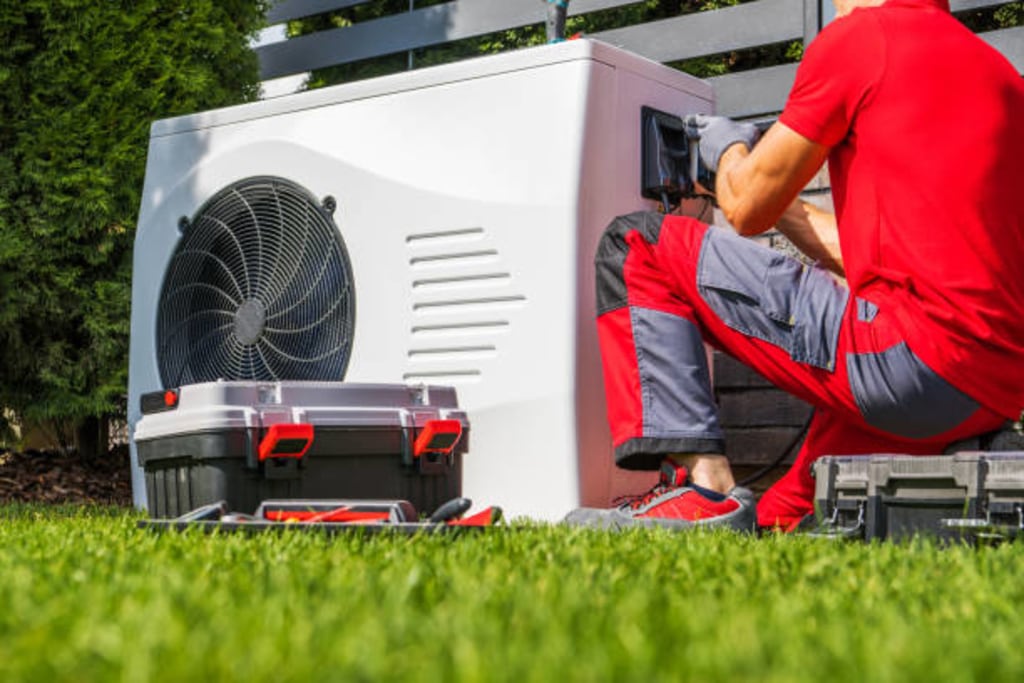
In today’s fast-paced world, many homeowners travel frequently for work, leisure, or family commitments. If you are rarely home, you might question whether scheduling regular heat pump service is worth it. After all, if the system isn’t in constant use, does it really need professional attention? The short answer is yes. Even if your time at home is limited, maintaining your heat pump is essential to ensure efficiency, longevity, and comfort when you do return.
Let’s find out why heat pump service remains crucial, even for frequent travelers, and what benefits you gain by keeping up with routine maintenance.
1. Your Heat Pump Runs Even When You’re Away
One common misconception is that a heat pump only “works” when you’re actively at home adjusting the thermostat. In reality, many heat pumps continue to operate while you are away to maintain indoor air quality, protect against freezing conditions, or prevent humidity buildup.
If you leave your system on a low setting while traveling, it’s still running in the background. Without regular heat pump service, hidden issues such as clogged filters, refrigerant leaks, or malfunctioning sensors can worsen over time, leading to expensive repairs when you least expect them.
2. Protecting Your Home Investment
Your home is one of your most valuable assets. A malfunctioning heat pump can cause issues that go beyond discomfort. For example:
Humidity damage: Without proper dehumidification, mold or mildew can develop, especially in warmer climates.
Frozen pipes: In colder regions, insufficient heating can cause pipes to freeze and burst.
Increased wear and tear: If the heat pump struggles due to poor maintenance, it can overwork itself, leading to premature breakdown.
Professional service ensures your system remains reliable, safeguarding both your property and your peace of mind.
3. Efficiency Saves Money, Even When You’re Away
If you’re someone who rarely stays at home, you probably don’t want to waste money on high energy bills for a property you hardly occupy. A neglected heat pump loses efficiency, forcing it to use more energy for basic heating or cooling functions.
Routine service, such as cleaning coils, replacing filters, and checking refrigerant levels, helps the system run at peak performance. That means lower utility costs and less energy waste, which benefits both your wallet and the environment.
4. Avoiding Unexpected Breakdowns Upon Return
Imagine this: you’ve been traveling for weeks and finally return home ready to relax, only to discover that your heat pump isn’t working. Now, instead of unwinding, you’re dealing with emergency repair calls.
Preventive heat pump service helps identify small issues before they turn into system failures. Whether it’s tightening electrical connections, lubricating moving parts, or testing airflow, technicians ensure your system is ready to deliver comfort the moment you step through your door.
5. Extending the Lifespan of Your Heat Pump
A heat pump is a long-term investment, and like any machine, it requires care to last its full lifespan, typically 10 to 15 years. Regular servicing keeps parts functioning properly, reducing unnecessary strain.
Even if your system isn’t used heavily because of your travel schedule, neglecting maintenance can shorten its life. Components deteriorate over time regardless of usage, and dust, dirt, or moisture accumulation can accelerate wear. This service helps protect your investment so you don’t face costly early replacement.
6. Peace of Mind While You’re Away
When you’re far from home, the last thing you want is to worry about whether your HVAC system is holding up. Scheduled service gives you the confidence that your system will operate safely and efficiently while you’re gone.
Some modern maintenance providers even offer monitoring options, giving you alerts if there’s a performance issue. This means you can address potential problems remotely instead of coming home to surprises.
7. What Does a Typical Heat Pump Service Include?
To better understand the value, here’s what a professional service generally involves:
Inspecting and cleaning filters, coils, and ducts
Checking refrigerant levels and looking for leaks
Testing thermostat calibration
Examining electrical wiring and connections
Ensuring safe operation of heating and cooling cycles
Lubricating moving parts to reduce friction
Assessing airflow and system performance
These routine checks keep your system optimized and ready for both your short stays at home and your extended absences.
8. The Ideal Service Schedule for Frequent Travelers
If you travel a lot, you might not be available for multiple service appointments throughout the year. Fortunately, most professionals recommend servicing your heat pump twice annually: once before summer and once before winter.
By scheduling ahead of your travels, you ensure your system is inspected and tuned up at the right time, so it’s efficient and dependable when you need it most.
Final Thoughts
Even if you’re away from home most of the year, your heat pump is still an essential system that requires attention. Routine heat pump service ensures efficiency, reduces costs, protects your property, and guarantees comfort upon your return.
Think of it as preventive care: you wouldn’t skip a doctor’s checkup just because you feel fine today, and your heat pump deserves the same proactive approach. Whether you’re home daily or only a few weeks each season, professional maintenance ensures your system is always ready when you need it.
So, the next time you prepare for a trip, schedule a professional service for your heat pump before you leave. That way, you’ll return to a safe, efficient, and comfortable home, without any HVAC surprises.
About the Creator
J.A. Mechanical LLC
J.A. Mechanical LLC, we are your trusted experts in delivering top-quality heating and air conditioning services.
Keep reading
More stories from J.A. Mechanical LLC and writers in 01 and other communities.
The Complete Guide to Heat Pump Service: Efficiency, Comfort, and Cost Savings
When it comes to keeping your home comfortable year-round, a heat pump is one of the most energy-efficient and versatile HVAC systems available. Unlike traditional heating or cooling units, a heat pump can both heat and cool your home, making it an all-in-one solution. But to truly maximize its efficiency and lifespan, regular heat pump service is essential.
By J.A. Mechanical LLC5 months ago in 01
The Devil's Cut
“Comrade, finally you’re awake.” The voice was smooth, sensual. A flickering incandescent bar was all that lit the white, sterile room. All Vladimir remembered was everything going black. He tried to move his arms and found them strapped to the gurney.
By Matthew J. Fromm5 days ago in Fiction



Comments
There are no comments for this story
Be the first to respond and start the conversation.