
DNA Evidence in Criminal Investigations: Revolutionizing Forensic Science
Exploring the History, Strengths, Limitations, and Ethical Concerns Surrounding the Use of DNA Evidence in Solving Crimes

Introduction
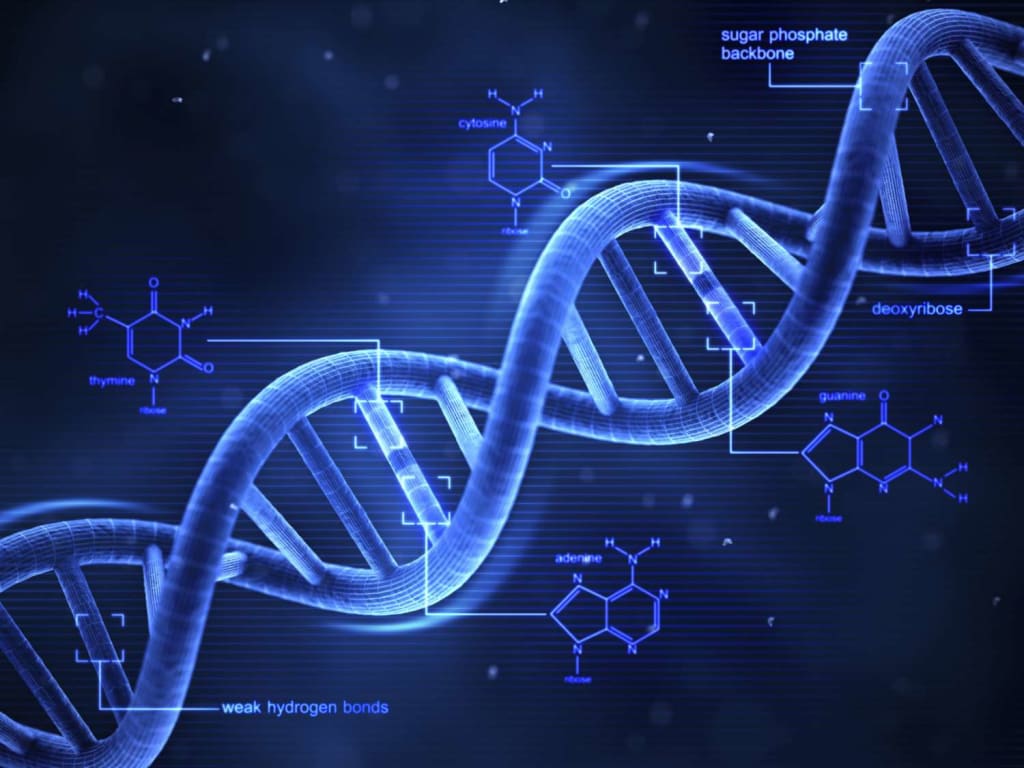
The use of DNA evidence in criminal investigations has revolutionized the way that crimes are solved. Since the first use of DNA evidence in a criminal case in 1986, it has become one of the most powerful tools in the forensic science toolbox. DNA evidence has been used to exonerate the innocent, convict the guilty, and identify human remains. In this article, we will explore the use of DNA evidence in criminal investigations, including its history, its strengths and limitations, and some of the ethical concerns surrounding its use.
History of DNA InvestigationsEvidence in Criminal
The history of DNA evidence in criminal investigations dates back to the early 1980s. In 1984, Alec Jeffreys, a British geneticist, discovered a method for identifying individual variations in DNA. This discovery would become the basis for DNA profiling, a technique that would revolutionize the field of forensic science.
Two years later, DNA evidence was first used in a criminal case in the United Kingdom. A 17-year-old girl named Lynda Mann was raped and murdered in the town of Narborough. The police had no suspects, but they did have semen samples from the crime scene. Jeffreys was able to use his DNA profiling technique to match the semen samples to a suspect, Colin Pitchfork, who was subsequently convicted of the crime.
Since then, DNA evidence has become a staple of criminal investigations all over the world. It has been used to solve countless crimes, including murders, rapes, and kidnappings. In some cases, DNA evidence has even been used to exonerate individuals who were wrongfully convicted of crimes they did not commit.
Strengths and Limitations of DNA Evidence in Criminal Investigations
One of the strengths of DNA evidence is its ability to link suspects to crime scenes. DNA evidence can be collected from a variety of sources, including blood, saliva, semen, and hair follicles. By analyzing this evidence, forensic scientists can determine whether a suspect was present at the scene of a crime.
Another strength of DNA evidence is its accuracy. DNA profiling is an extremely precise technique, and it is highly unlikely that two individuals will have the same DNA profile. This makes it a powerful tool for identifying suspects and linking them to crime scenes.
However, DNA evidence also has its limitations. One of the biggest limitations is that it can only link individuals to crime scenes if their DNA is present at the scene. If a suspect wears gloves or takes other precautions to avoid leaving DNA behind, DNA evidence may not be useful in linking them to a crime.
Another limitation of DNA evidence is that it can be contaminated. If DNA evidence is not collected and stored properly, it can become contaminated with DNA from other sources, such as the individuals who handle the evidence. This can lead to false results and compromise the integrity of the evidence.
Ethical Concerns Surrounding DNA Evidence in Criminal Investigations
While DNA evidence has revolutionized the field of forensic science, it has also raised some ethical concerns. One of the concerns is the use of DNA databases. In many countries, including the United States, individuals who are arrested for certain crimes are required to provide DNA samples. These samples are then added to a database, which can be used to link individuals to crimes.
While the use of DNA databases can be a powerful tool for solving crimes, it also raises concerns about privacy and civil liberties. Some people argue that the collection of DNA samples from individuals who have not been convicted of a crime is a violation of their privacy rights.
Another ethical concern is the use of familial DNA searching. Familial DNA searching involves searching DNA databases for partial matches to crime scene DNA. These partial matches can then be used to identify relatives of the suspect. While familial DNA searching can be a useful tool for solving crimes, it also raises concerns about privacy and the presumption of innocence. Some argue that the use of familial DNA searching may lead to the wrongful arrest or conviction of innocent family members.
Furthermore, there are concerns about the potential misuse of DNA evidence. Some worry that DNA evidence may be used to unfairly target certain groups or individuals, or that it may be used to create genetic profiles that could be used for discriminatory purposes.
Finally, there are concerns about the accuracy and reliability of DNA evidence. While DNA profiling is highly accurate, mistakes can still be made. There have been cases where individuals have been wrongfully convicted based on faulty DNA evidence, or where DNA evidence has been mishandled or contaminated, leading to false results.
Conclusion
The use of DNA evidence in criminal investigations has revolutionized the field of forensic science. It has become one of the most powerful tools for solving crimes, linking suspects to crime scenes, and identifying human remains. However, DNA evidence also has its limitations and raises some ethical concerns.
It is important for law enforcement agencies and forensic scientists to use DNA evidence in a responsible and ethical manner, taking into account the potential for misuse, the limitations of the evidence, and the privacy and civil liberties of individuals. By doing so, we can ensure that DNA evidence remains a powerful tool for solving crimes, while also protecting the rights and freedoms of individuals.
About the Creator
Keerthana Thirumalairaj
An Independent Solitude girl, who recently found the interests in writings and converts Facts and imaginations into writings.
Keep reading
More stories from Keerthana Thirumalairaj and writers in 01 and other communities.
Ancient Civilizations and Their Legacies
Introduction Ancient civilizations refer to the societies and cultures that existed in the distant past, before the Middle Ages, and are considered to be the foundation of modern human society. These societies were characterized by their unique cultural, social, economic, and political systems, and their ability to create monumental structures, artwork, and inventions that still fascinate and inspire us today.
By Keerthana Thirumalairaj3 years ago in 01
The Forsyth House Fire
Since 1851, Forsyth House has stood on the corner of Union Street and Gordon Street in the heart of Glasgow. Its iconic, or was... because on Sunday 8th of March, 2026, a fire broke out in a small, seemingly un-named shop in the building and tore all that history down. As I write, the rubble is still unsettled and the street is still blocked off. Central Station is quiet on the upper level, and around 30 small businesses have quite literally gone up in smoke.
By S. A. Crawford3 days ago in The Swamp



Comments
There are no comments for this story
Be the first to respond and start the conversation.