
Delta Airlines: Soaring Through Innovation and Excellence
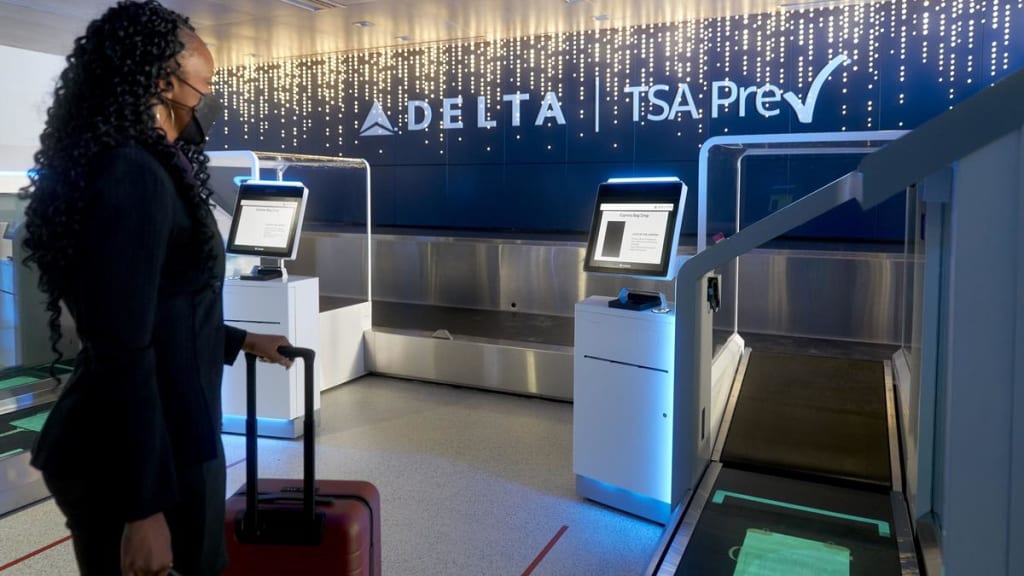
In the dynamic world of aviation, Delta Airlines has emerged as a prominent player, known for its commitment to customer service, operational efficiency, and innovative initiatives. With a rich history dating back to the 1920s, Delta has evolved into one of the world's largest and most respected airlines. Let's take a closer look at Delta Airlines' journey, its key features, and the factors that have contributed to its success.
A Glance into Delta's History:
Delta Airlines was founded in 1924 as Huff Daland Dusters in Macon, Georgia. Initially, it was an aerial crop dusting company, operating a few aircraft to combat insect infestations in the southern United States. Over the years, the company transitioned from crop dusting to passenger services, and by 1929, it had expanded its network to include multiple cities.
The airline faced challenges during the Great Depression and World War II, but it managed to survive and even thrive during those turbulent times. The post-war period marked the beginning of Delta's expansion and modernization efforts. It introduced jet aircraft to its fleet in the 1950s, significantly reducing travel times and boosting the airline's competitiveness.
Commitment to Customer Experience:
One of Delta Airlines' standout features is its unwavering dedication to providing an exceptional customer experience. The airline's motto, "Keep Climbing," encapsulates its commitment to continuous improvement and innovation. Delta has consistently invested in enhancing passenger comfort, in-flight services, and technology-driven conveniences.
Delta was one of the pioneers in introducing Wi-Fi on its flights, enabling passengers to stay connected while in the air. Additionally, the airline has invested in modernizing its fleet with more fuel-efficient and environmentally friendly aircraft, demonstrating its commitment to sustainability and responsible aviation practices.
Operational Excellence:
Delta's operational efficiency is another factor that sets it apart in the competitive airline industry. The airline's focus on reliability, on-time performance, and operational excellence has earned it a reputation for being one of the most punctual major airlines.
Delta's approach to managing its workforce is also noteworthy. The airline has consistently worked on building positive relationships with its employees, leading to a motivated and engaged workforce. This has translated into smoother operations, improved customer service, and a stronger overall company culture.
Innovative Initiatives:
Delta Airlines' innovative endeavors have kept it at the forefront of the aviation industry. One such initiative is the Delta One Suites, a premium cabin offering enhanced privacy and comfort for long-haul travelers. The airline's commitment to sustainability is evident through its efforts to reduce carbon emissions, invest in fuel-efficient aircraft, and engage in carbon offset programs.
In recent years, Delta has also focused on incorporating technology to streamline the travel experience. The airline's mobile app allows passengers to check in, track baggage, receive real-time flight updates, and even navigate through the airport using interactive maps.
Challenges and Adaptations:
Like all airlines, Delta has faced its share of challenges. The COVID-19 pandemic, in particular, had a significant impact on the aviation industry. Delta responded by implementing stringent health and safety measures to protect passengers and employees. The airline also adjusted its operations, routes, and services to adapt to the changing travel landscape.
How to add TSA PreCheck to Delta app?
Log In to Your Delta Account: Open the Delta app on your mobile device and login using your Delta SkyMiles account credentials. If you don't have the app installed, you can download it from your device's app store.
Access Profile or Account Settings: Navigate to your profile or account settings within the app. This is usually represented by an icon that looks like a person's silhouette or your name.
Travel Documents or TSA PreCheck: Look for a section related to "Travel Documents," "Security & Check-in," or specifically "TSA PreCheck." Different apps might have slightly different navigation, so you might need to explore the options a bit.
Add Known Traveler Number (KTN): In the relevant section, you should find an option to add your Known Traveler Number (KTN) associated with your TSA PreCheck enrollment. This number is typically 9 digits long and can be found on your TSA PreCheck approval letter or card.
Save Changes: After entering your KTN, make sure to save the changes or update your profile.
Verify PreCheck Status: Once you've added your KTN, your TSA PreCheck status should be associated with your Delta account. This means that when you book flights or check in through the Delta app, you should see indications that you have TSA PreCheck on your boarding pass.
About the Creator
Keep reading
More stories from nancy adams and writers in 01 and other communities.
Avianca personal item size
Avianca is a Colombian airline and one of the oldest airlines in the world, founded in 1919. It is a member of Star Alliance, which is the largest airline alliance in the world. The airline operates flights to over 100 destinations in 28 countries across the Americas, Europe, and Asia.
By nancy adams3 years ago in 01
Exploring Insemelo: The Future of AI Music Creation and Lyrics Generation
In the ever-evolving landscape of music technology, Insemelo stands out as a pioneering platform that harnesses the power of artificial intelligence to revolutionize how music is created. This article delves into the capabilities of Insemelo as an AI music creator and its innovative approach to generating lyrics for songs, showcasing how it empowers musicians and enthusiasts alike.
By Arslan Khana day ago in 01




Comments
There are no comments for this story
Be the first to respond and start the conversation.