
Crypto Wallets Explained: Hot Wallets vs. Cold Wallets
By Jay Phoenix

If you’re diving into the world of cryptocurrency, you’ve likely heard about wallets. But not the kind you slip into your back pocket—crypto wallets are your gateway to storing, managing, and securing your digital assets. The question is: Which type of wallet should you use—hot or cold?
In this guide, we’ll break it all down in simple terms so you can make the best choice for your crypto journey.
What Is a Crypto Wallet?
A crypto wallet is a tool that allows you to store and manage your cryptocurrencies. But here’s the kicker: It doesn’t actually hold your crypto.
Instead, your wallet stores the private keys—a secret code that gives you access to your coins on the blockchain. Lose those keys, and your crypto is gone forever. That’s why choosing the right wallet is crucial.
Crypto wallets come in two main flavors:
Hot Wallets: These are connected to the internet.
Cold Wallets: These are offline, offering extra security.
Hot Wallets: Convenience Meets Accessibility
Hot wallets are the go-to choice for many crypto users because they’re always online. Here’s what you need to know:
Pros of Hot Wallets:
Ease of Use:
Hot wallets are user-friendly and perfect for beginners. Whether you’re using a mobile app or a browser extension, transactions are just a few clicks away.
Instant Access:
Since they’re connected to the internet, hot wallets make sending and receiving crypto quick and easy.
Integration:
Many hot wallets integrate seamlessly with crypto exchanges, allowing you to trade without transferring funds repeatedly.
Cons of Hot Wallets:
Vulnerability to Hacks:
Being online makes hot wallets susceptible to cyberattacks. Hackers target these wallets because they’re connected to the internet 24/7.
Less Secure:
If you’re storing significant amounts of crypto, hot wallets are not ideal due to their increased exposure to potential threats.
Popular Hot Wallets:
Trust Wallet: A mobile wallet supporting multiple cryptocurrencies.
MetaMask: Great for interacting with Ethereum-based dApps.
Exodus: Known for its sleek interface and desktop compatibility.
Cold Wallets: Security Above All
Cold wallets take a different approach. They’re offline, making them virtually immune to online attacks. Here’s what makes them special:
Pros of Cold Wallets:
Enhanced Security:
With no internet connection, cold wallets are safe from hacking attempts. Your private keys are stored offline, making it nearly impossible for attackers to access them.
Ideal for Long-Term Storage:
If you’re planning to HODL (hold on for dear life), cold wallets are the safest bet.
Peace of Mind:
Knowing your assets are offline and secure provides unparalleled confidence, especially for large investments.
Cons of Cold Wallets:
Less Convenient:
Cold wallets require more effort to access funds, making them less suitable for frequent transactions.
Higher Initial Cost:
Many cold wallets, like hardware wallets, come with a price tag, but consider it an investment in security.
Popular Cold Wallets:
Ledger Nano X: A widely trusted hardware wallet with Bluetooth connectivity.
Trezor Model T: Known for its strong security features and touch screen.
Paper Wallets: A free option where you print your keys on paper and store them safely.
Hot Wallets vs. Cold Wallets: Which Is Right for You?
Choosing the right wallet depends on your needs and risk tolerance. Let’s break it down:
For Everyday Use:
If you’re regularly trading or using crypto for payments, a hot wallet is your best option. Its convenience outweighs the risks for small amounts.
For Long-Term Storage:
If you’re holding a significant amount of crypto for the long haul, invest in a cold wallet to protect your assets.
For Diversification:
Why not both? Use a hot wallet for day-to-day transactions and a cold wallet for long-term storage. This hybrid approach combines convenience and security.
Best Practices for Wallet Security
No matter which type of wallet you choose, security should always be a priority. Here are some tips:
Enable Two-Factor Authentication (2FA):
Add an extra layer of security to your wallet and accounts.
Backup Your Keys:
Store backups of your private keys or recovery phrases in secure locations. Consider using a fireproof safe or safety deposit box.
Beware of Phishing Scams:
Double-check URLs and avoid clicking on suspicious links.
Keep Software Updated:
Regular updates ensure your wallet is protected against the latest threats.
Final Thoughts
Hot wallets and cold wallets each have their strengths and weaknesses. The key is understanding how you plan to use your crypto and balancing convenience with security.
Remember, your wallet is the key to your crypto kingdom. Choose wisely, stay vigilant, and you’ll be ready to navigate the digital future with confidence.
So, which wallet will you choose? The decision is yours, but the journey is just beginning.
About the Creator
Keep reading
More stories from Jay Phoenix and writers in 01 and other communities.
The Future of Cryptocurrency: Trends to Expect in the Next 5 Years
Cryptocurrency has already changed the world, but the revolution is far from over. The next five years are set to bring even more transformative changes to the crypto landscape. Whether you’re an investor, a developer, or just a curious observer, staying ahead of these trends could give you a front-row seat to the future of finance.
By Jay Phoenixabout a year ago in 01
Brutality Before Peace: Ukraine Condemns Russian Strikes Amid Fragile Negotiations
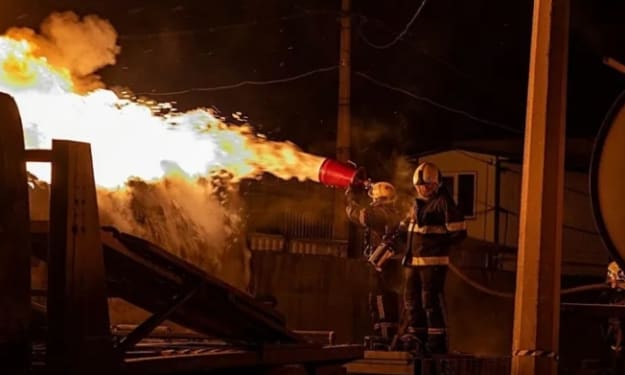
When Peace Is Shadowed by Violence Peace talks are meant to signal hope. They are supposed to mark a pause in bloodshed, a willingness to listen, and a fragile step toward ending human suffering. Yet, in the ongoing Russia-Ukraine war, peace has once again been overshadowed by violence. Ukraine has strongly condemned what it describes as “brutal” Russian strikes launched just ahead of the second day of peace negotiations, casting a dark cloud over diplomatic efforts that were already hanging by a thread. These attacks did not merely damage infrastructure or military positions; they struck at the heart of trust itself. When bombs fall before dialogue begins, the message sent is louder than any words spoken at a negotiating table. This contradiction—talking peace while waging war—has become a recurring and deeply troubling pattern in modern conflicts. Background: A War That Refuses to Pause Since the outbreak of the Russia-Ukraine conflict, cycles of escalation and diplomacy have repeated themselves with painful predictability. Every announcement of talks is met with cautious optimism, only to be followed by renewed offensives, accusations, and shattered expectations. For Ukraine, these latest strikes represent more than a tactical move. Officials argue they are a deliberate attempt to weaken morale, pressure negotiators, and gain leverage before discussions even begin. The timing—just hours before a critical day of peace talks—has intensified suspicions about Russia’s true intentions. From Ukraine’s perspective, peace cannot be negotiated under fire. Diplomacy, they insist, requires at least a temporary respect for civilian life and international norms. The Meaning of “Brutal”: Beyond a Political Statement The word “brutal” is not used lightly in international diplomacy. When Ukraine labeled the strikes as such, it was acknowledging not only the physical destruction but also the psychological and humanitarian impact. Reports from affected regions described explosions near residential areas, damaged energy infrastructure, and terrified civilians seeking shelter. Winter conditions in parts of Ukraine have made these strikes especially devastating, cutting off heat, electricity, and essential services for vulnerable populations. In war, numbers often dominate headlines—casualty counts, missile totals, square kilometers gained or lost. But brutality is felt most deeply in moments unseen by cameras: a family huddled in darkness, hospitals running on emergency generators, children learning the sound of sirens before lullabies. Peace Talks Under Pressure The second day of peace talks was expected to focus on humanitarian corridors, ceasefire possibilities, and confidence-building measures. Instead, the renewed violence shifted attention back to survival and damage control. Negotiations conducted in the shadow of active strikes are inherently compromised. Trust erodes, positions harden, and compromise becomes politically dangerous. Ukrainian negotiators now face the impossible task of advocating dialogue while their nation absorbs fresh wounds. Historically, peace processes that begin under active military pressure rarely succeed. Violence before or during talks often signals that one party views diplomacy not as a path to resolution, but as a strategic tool to legitimize gains or stall for time. International Reactions: Condemnation and Concern The global response to Ukraine’s condemnation was swift but familiar. Western allies expressed deep concern, reiterating calls for restraint and respect for international law. Statements emphasized the need for genuine commitment to peace rather than symbolic negotiations. However, critics argue that repeated condemnations without decisive consequences have lost their deterrent effect. Strong words, they say, cannot compete with missiles unless backed by meaningful action. At the same time, some nations urged continued dialogue, fearing that abandoning talks altogether would lead to further escalation. This delicate balance—condemning violence while clinging to diplomacy—highlights the international community’s limited options in influencing a conflict driven by power, security fears, and national identity. Civilian Cost: The True Measure of Failure While diplomats debate language and leverage, civilians pay the price. Each strike ahead of peace talks undermines the very purpose of negotiation: to protect lives. In affected Ukrainian cities and towns, residents have grown weary of promises. For many, peace talks feel distant and abstract compared to the immediate reality of explosions, displacement, and loss. Trust in international processes weakens when violence appears unchecked. Children miss school, families are separated, and communities fracture under prolonged stress. Mental health experts warn of long-term trauma that will persist long after the last shot is fired. These invisible scars may ultimately prove harder to heal than destroyed buildings. Strategic Calculations: Why Strike Before Talks? Analysts suggest several reasons why such strikes occur before negotiations: Leverage Building – Demonstrating military capability to strengthen negotiating positions. Psychological Pressure – Undermining morale and confidence on the opposing side. Domestic Messaging – Appearing strong to internal audiences. Testing Limits – Gauging international reaction and tolerance. Yet these short-term gains often come at the expense of long-term peace. Violence hardens narratives, fuels resentment, and makes reconciliation more difficult. A Pattern Repeated Across History The Ukraine-Russia conflict is not unique in this pattern. History is filled with examples where peace talks were preceded—or accompanied—by intensified fighting. From the Balkans to the Middle East, such strategies have repeatedly delayed resolution and deepened suffering. What history also teaches is that sustainable peace rarely emerges from fear. It requires mutual recognition of humanity, security guarantees, and accountability. Strikes before talks may alter maps, but they rarely heal nations. The Role of Media and Public Perception Media coverage plays a critical role in shaping how such moments are understood. Headlines about “brutal strikes” influence public opinion, political pressure, and diplomatic tone. For Ukraine, speaking out forcefully is not only about international advocacy but also about maintaining domestic unity. Silence could be interpreted as weakness or acceptance. Condemnation becomes a necessary act of resistance in the information battlefield. However, constant exposure to violence also risks desensitization. The world watches, reacts briefly, and moves on—while the war continues. Is Peace Still Possible? Despite the grim timing of these strikes, abandoning hope entirely would mean surrendering to endless war. Peace remains possible, but it demands more than talks scheduled on calendars. It requires: Genuine ceasefires, not symbolic pauses Protection of civilians as a non-negotiable principle Accountability for violations International mediation with real leverage Without these elements, negotiations risk becoming rituals devoid of meaning. Conclusion: A Test of Intentions Ukraine’s condemnation of the “brutal” Russian strikes ahead of peace talks is more than a diplomatic statement—it is a test of intentions. It asks a simple but profound question: can peace be pursued honestly while violence continues? Every strike before dialogue answers that question, at least temporarily, with destruction rather than dialogue. Yet history reminds us that even the darkest conflicts can change course when courage replaces coercion. Until then, peace talks held under fire will remain what they are now—fragile, painful reminders of how far the world still has to go.
By Zahid Hussain3 days ago in 01



Comments (1)
Fascinating explanation! Good work!