


Cryptocurrency refers to a digital or virtual currency that uses cryptography for security purposes and operates independently of a central bank. Cryptocurrencies are decentralized and utilize blockchain technology to maintain a public ledger of all transactions.
The most well-known cryptocurrency is Bitcoin, which was created in 2009 by an anonymous person or group using the pseudonym Satoshi Nakamoto. Since then, numerous other cryptocurrencies have emerged, including Ethereum, Ripple, Litecoin, and Bitcoin Cash, among others.
Cryptocurrencies can be used for a variety of purposes, including as a medium of exchange, a store of value, and as an investment. Some people view cryptocurrencies as a potential alternative to traditional fiat currencies, while others remain skeptical of their long-term viability and stability.
One of the key features of cryptocurrencies is their decentralization, which means that they are not controlled by any single entity or authority. This makes them resistant to government intervention and censorship, but also makes them more susceptible to market fluctuations and volatility.
Overall, cryptocurrencies have generated significant interest and controversy, with proponents and critics voicing strong opinions on their potential benefits and drawbacks.

Cryptocurrency trading involves buying and selling digital assets such as Bitcoin, Ethereum, Litecoin, and other cryptocurrencies on exchanges. Traders can make profits by buying low and selling high, or by taking advantage of market volatility and price movements.
There are two main approaches to cryptocurrency trading: technical analysis and fundamental analysis. Technical analysis involves studying price charts and market trends to identify potential trading opportunities. Fundamental analysis, on the other hand, involves analyzing the underlying fundamentals of a cryptocurrency, such as its technology, adoption rate, and use cases, to determine its long-term potential.
Cryptocurrency trading can be highly volatile and risky, and traders should exercise caution and do their own research before investing in any digital assets. It is important to have a solid understanding of cryptocurrency trading strategies and risk management techniques to minimize potential losses.
It's worth noting that in some countries, cryptocurrency trading may be subject to regulatory restrictions or even banned altogether. Traders should be aware of the laws and regulations in their country of residence before engaging in any cryptocurrency trading activities.
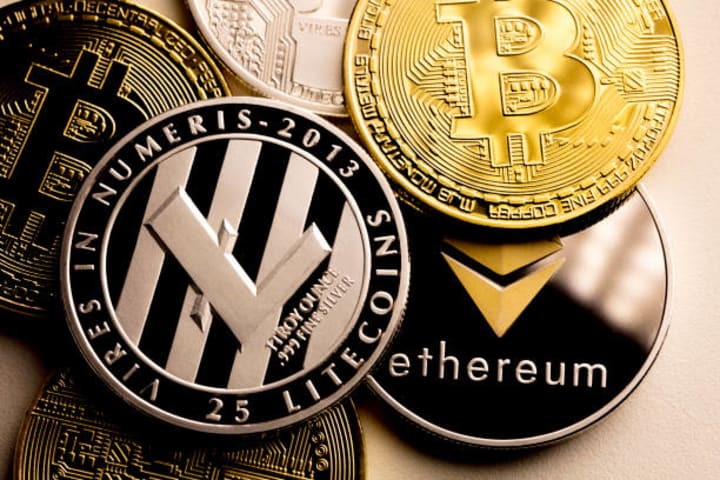
There are many popular cryptocurrencies, but some of the most well-known ones include:
Bitcoin (BTC): Bitcoin is the first and most well-known cryptocurrency, and it continues to dominate the market with a current market capitalization of over $1 trillion.
Ethereum (ETH): Ethereum is the second-largest cryptocurrency by market capitalization, and it is known for its smart contract functionality, which allows developers to build decentralized applications (dapps) on its blockchain.
Binance Coin (BNB): Binance Coin is the native cryptocurrency of the Binance exchange, one of the largest cryptocurrency exchanges in the world.
Cardano (ADA): Cardano is a third-generation blockchain platform that aims to provide a more sustainable and scalable alternative to existing cryptocurrencies.
Dogecoin (DOGE): Dogecoin is a meme-inspired cryptocurrency that has gained popularity in recent years due to its high-profile endorsements from celebrities like Elon Musk.
Ripple (XRP): Ripple is a cryptocurrency designed for global payments and remittances, and it has partnerships with many major banks and financial institutions.
Litecoin (LTC): Litecoin is a "lite" version of Bitcoin that was created in 2011. It is known for its faster transaction times and lower fees compared to Bitcoin.
These are just a few examples of the most well-known cryptocurrencies. There are many others, each with their own unique features and use cases.

The future of cryptocurrencies is a topic of much debate and speculation, but many experts believe that digital assets are here to stay and will continue to play an important role in the financial world.
One potential future for cryptocurrencies is that they will become more widely adopted as a means of payment, with more businesses and merchants accepting digital assets as a form of payment. This could lead to increased mainstream acceptance and adoption of cryptocurrencies, as well as increased stability and liquidity in the market.
Another possibility is that cryptocurrencies will become more integrated with traditional finance systems, with more institutional investors and banks entering the market and providing more liquidity and stability. This could also lead to increased regulation and oversight of the cryptocurrency market.
There is also the possibility that new and innovative use cases for cryptocurrencies will emerge, such as in the areas of decentralized finance (DeFi), non-fungible tokens (NFTs), and other applications of blockchain technology.
Of course, there are also risks and challenges facing the cryptocurrency market, including regulatory uncertainty, market volatility, and the potential for security breaches and hacking attacks. It's important for investors and users of cryptocurrencies to stay informed and educated about the risks and benefits of these digital assets as they navigate the rapidly evolving landscape of the cryptocurrency market.
About the Creator
Keep reading
More stories from Taha Farid and writers in 01 and other communities.
Kentucky Fried Chicken(KFC)
Kentucky Fried Chicken, popularly known as KFC, is a fast-food restaurant chain that specializes in fried chicken. Founded in 1930 by Harland Sanders, KFC has grown to become one of the most recognizable brands in the world, with more than 24,000 locations in over 145 countries.
By Taha Farid3 years ago in 01
Smart Cloud Security Tips for a Safer Home Network
In these days’s virtual age, cloud offerings have come to be an imperative part of our personal and professional lives. From storing a circle of relatives' snap shots to coping with economic statistics and smart home devices, the cloud offers convenience and accessibility like by no means before. However, with comfort comes a chance. Cyber threats are evolving swiftly, and domestic customers are increasingly turning into targets. Ensuring your house cloud surroundings are secure is now not optionally available—it’s crucial. Here are smart cloud protection recommendations that will help you shield your private home community and private data.
By Muhammad Hanzla5 days ago in 01




Comments
There are no comments for this story
Be the first to respond and start the conversation.