
Crop Identification Guide | Your Essential Tool for Agricultural Success
Accurate and timely crop identification is a cornerstone of successful agriculture.

Accurate and timely crop identification is a cornerstone of successful agriculture. Whether you're a seasoned farmer, a budding agriculturalist, or simply someone with a green thumb, understanding the crops you're cultivating is paramount. A comprehensive crop identification guide can be your invaluable companion in making informed decisions about planting, cultivation, pest management, and harvesting. In this article, we'll delve into the importance of crop identification, explore various methods, and discuss the potential of AI in revolutionizing this process.
Why Crop Identification Matters

A precise crop identification guide is essential for several reasons:
• Yield Optimization: By identifying crops correctly, you can implement tailored cultivation practices, ensuring optimal growth conditions and maximizing yield.
• Pest and Disease Management: Early detection of pests and diseases is crucial for effective control. Accurate crop identification helps pinpoint the specific threats and appropriate countermeasures.
• Harvest Planning: Understanding crop maturity and growth stages is vital for scheduling harvesting operations efficiently.
• Market Analysis: Knowledge of your crop variety allows you to assess market trends and prices, helping you make informed business decisions.
• Crop Rotation: Effective crop rotation is essential for soil health and pest management. Identifying your crops accurately is the first step in planning a successful rotation.
Traditional Methods of Crop Identification
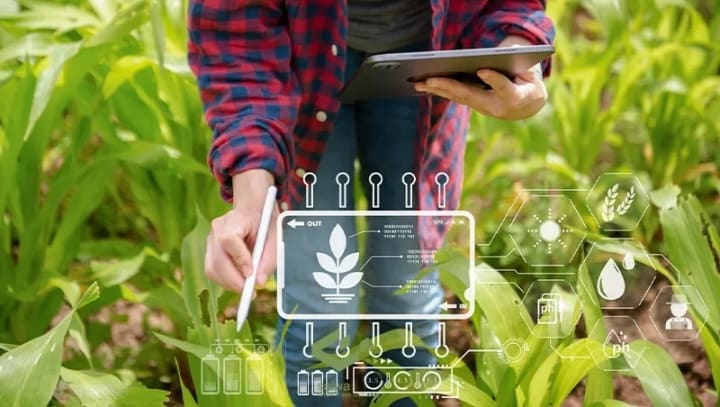
Traditionally, farmers relied on visual inspection, knowledge passed down through generations, and botanical reference guides for crop identification. While these methods are still valuable, they can be time-consuming and prone to errors, especially for inexperienced farmers or when dealing with unfamiliar crop varieties.
Modern Techniques for Crop Identification
Advances in technology have brought forth innovative tools to aid in crop identification:
• Digital Image Analysis: Using specialized software, farmers can analyze images of plants to identify diseases, nutrient deficiencies, and even crop varieties.
• Spectroscopy: This technique measures the light reflected or absorbed by plants to determine their chemical composition, providing insights into crop health and species.
• DNA Analysis: By examining a plant's genetic makeup, scientists can accurately identify crop varieties and detect potential genetic disorders.
The Role of AI in Crop Identification
Artificial intelligence (AI) is poised to revolutionize the field of crop identification. AI-powered systems can analyze vast amounts of data, including images, spectral data, and historical crop information, to identify crops with unprecedented accuracy and speed.
Potential applications of AI in crop identification include:
• Real-time Crop Monitoring: AI algorithms can analyze images captured by drones or satellites to identify crops, monitor their growth, and detect early signs of stress or disease.
• Weed Identification and Control: AI-powered robots can accurately distinguish between crops and weeds, enabling targeted weed control measures.
• Yield Prediction: By analyzing historical data and real-time crop information, AI can predict yields with greater precision, helping farmers optimize resource allocation.
Building Your Own Crop Identification Guide
While there are many excellent crop identification resources available, creating your own guide can be a valuable learning experience. Here are some tips:
• Start with Common Crops: Focus on the crops most prevalent in your region.
• Gather Visual Information: Collect high-quality images of different growth stages, leaves, flowers, and fruits.
• Include Detailed Descriptions: Provide clear descriptions of plant characteristics, including height, leaf shape, and flowering patterns.
• Consider Local Variations: Be aware that crop varieties can exhibit regional differences.
• Utilize Technology: Incorporate digital tools, such as image recognition software and mobile apps, to enhance your guide.
Common Crop Challenges and the Power of Crop Identification
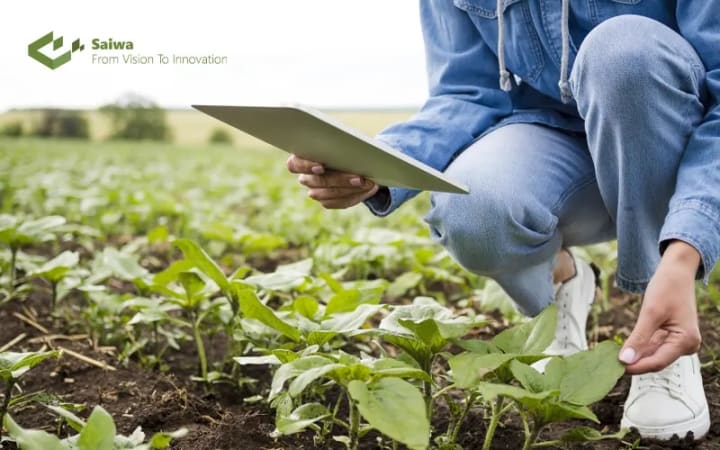
A crop identification guide is an essential tool for overcoming the numerous challenges faced by farmers and agricultural professionals. Accurate crop identification is the first step towards addressing a variety of issues that can impact yield, quality, and profitability.
Pest and Disease Management with Crop Identification
One of the most significant benefits of a robust crop identification guide is its role in pest and disease management. By correctly identifying your crop, you can pinpoint the specific pests or diseases that are likely to affect it. This knowledge empowers you to implement targeted control measures, saving time, money, and valuable resources.
For instance, a crop identification guide can help you differentiate between various types of aphids, each with its own preferred host plants and control strategies. Similarly, identifying the precise stage of a fungal disease can determine the most effective fungicide application timing.
Nutrient Deficiencies and Crop Identification
Nutrient deficiencies can significantly hinder crop growth and development. A crop identification guide can help you recognize the visual symptoms associated with different nutrient deficiencies. By accurately identifying the problem, you can apply the necessary corrective measures, such as fertilization or soil amendments.
For example, nitrogen deficiency often manifests as yellowing leaves, while phosphorus deficiency can lead to stunted growth and purple coloration. A crop identification guide can help you distinguish between these and other nutrient-related issues.
Crop Rotation Planning with Crop Identification
Effective crop rotation is crucial for maintaining soil health, preventing pest and disease buildup, and improving overall crop productivity. A crop identification guide plays a vital role in planning successful crop rotations. By understanding the specific crop families and their susceptibility to certain pests and diseases, you can select appropriate crop sequences to break disease cycles and reduce pest populations.
For example, rotating between corn, soybeans, and wheat can help manage corn rootworm and soybean cyst nematode. A crop identification guide ensures that you correctly identify these crops and their place in the rotation.
The Future of Crop Identification: AI Integration
AI technology is rapidly transforming the agricultural landscape, and crop identification is no exception. AI-powered systems are being developed to analyze images, spectral data, and other information to identify crops with unprecedented accuracy and speed. This has the potential to revolutionize crop management practices.
For example, AI algorithms can be trained to recognize crop diseases based on image analysis, allowing for early detection and intervention. Additionally, AI can assist in identifying crop varieties and predicting yields, enabling farmers to make data-driven decisions.
Conclusion
A comprehensive crop identification guide is an indispensable resource for farmers, agronomists, and agricultural researchers. By accurately identifying crops, you can effectively address a wide range of challenges, from pest and disease management to nutrient deficiencies and crop rotation. As AI technology continues to advance, we can expect even more sophisticated crop identification tools to emerge, further enhancing agricultural productivity and sustainability.
Saiwa is an online platform which provides privacy preserving artificial intelligence (AI) and machine learning (ML) services, from local (decentralized) to cloud-based and from generic to customized services for individuals and companies to enable their use of AI in various purposes with lower risk, without the essence of a deep knowledge of AI and ML and large initial investment.
About the Creator
saiwa etudeweb
saiwa is an online platform which provides privacy preserving artificial intelligence (AI) and machine learning (ML) services.
Reader insights
Nice work
Very well written. Keep up the good work!
Top insight
Eye opening
Niche topic & fresh perspectives
Keep reading
More stories from saiwa etudeweb and writers in 01 and other communities.
The Role of Nitrogen in Plants | Essential for Growth and Development
Nitrogen is a vital element that plays a critical role in the growth and development of plants. Understanding the role of nitrogen in plants is essential for anyone involved in agriculture, gardening, or environmental science.
By saiwa etudewebabout a year ago in 01
Top Enterprise Software Development Companies in 2026
The use of enterprise software has become imperative in the efforts by businesses to optimize, become more efficient, and grow in a safe digital competitive space. The adoption of cloud technology, artificial intelligence, automation, and data technologies, especially within the current digital era, means that businesses are seeking the help of skilled software partners.
By Olivia Carter6 days ago in 01



Comments (2)
Thanks for sharing it.
Excellent piece and educative