
Conquering the Digital Divide in Wisconsin
What Is the Digital Divide?

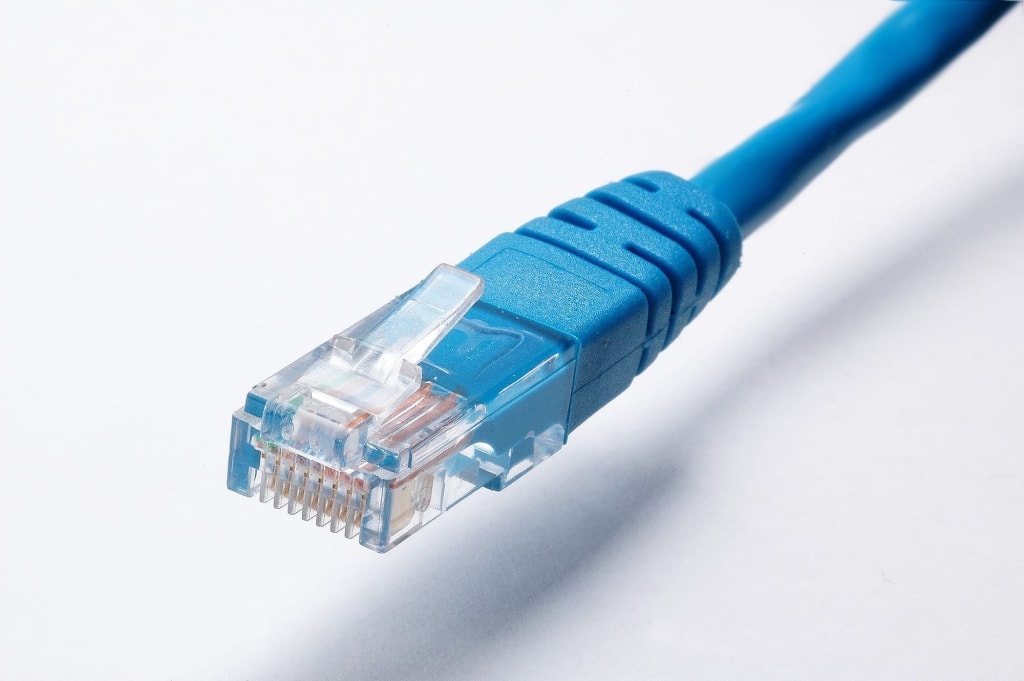
Not everyone has the same level of access to the Internet. Disparities based on demographics and location create a digital divide globally, nationally, and within regional and state boundaries. This is true with Wisconsin internet access as it is elsewhere. How do we close the internet access gap and conquer the digital divide?
What Is the Digital Divide?
The digital divide refers to the gap between those who have reliable, high-speed internet and the devices to access it and those who lack access to either or both.
This digital gap creates two societies:
- One with access to the technology that delivers modern information and communication
- One that is left without the means to access modern information and communication
The digital divide can be categorized as a divide in access, use, and quality.
Access Divide
The socioeconomic differences within society that impact an individual’s ability to afford internet access and the devices used to get online.
Use Divide
The different ways the Internet is used by different people. Refers to the skill level individuals have to navigate the Internet. Some people are more capable than others of getting the information they need from using the Internet.
Quality Divide
The quality of the internet connection that someone is able to obtain. The faster the internet speed and larger the bandwidth an individual has access to equals higher quality.
Reasons for the Digital Divide
Digital disparity has existed since the beginning of the Internet, but it continues to evolve over time. Technological developments and an increased reliance on the Internet continue to define how the digital divide looks.
For example, a shift from dial-up Internet to wireless changed how the Internet is accessed. Those who were able to make this shift fell on a different side of the gap than those who could not. It is assumed that shifts will continue as technology changes.
The reasons for the digital divide remain fairly constant, however, even as the consequences of a lack of access continue to grow.
Wisconsin internet access corresponds with digital equity issues found both globally and within other regions of the United States.
The digital gap is caused by a lack of:
- Technical skills to utilize available technology
- Financial resources to access the Internet and the devices to take advantage of it
- Infrastructure investment in areas deemed to not be cost-effective (low population)
- Addressing these causes of the digital divide can help close the gap.
The Rural Vs. Urban Divide
Although internet access in the United States is high overall, there is a distinct digital divide between rural and urban Americans. On the whole, rural citizens lack adequate access to high-speed internet and the skills to take advantage of the access that does exist. One of the main predictors of what side of the digital divide a citizen falls is their level of education and geographic location.
About 50% of the urban and suburban counties in the country have household broadband rates of 80% or more. While only 8% of rural counties have that number of households with broadband access.
The same study found that the digital disparity between rural and urban counties is true with Wisconsin internet access as well.
What Are the Implications of the Digital Divide?
The effects of the digital divide can be felt throughout society. These effects will continue to worsen as the world becomes more reliant on the Internet unless steps are taken to close the digital gap.
Reliable access to high-speed internet and the devices used to navigate it open up opportunities with:
- Employment
- Education
- Social Engagement
- Advanced communication
- Information and learning
For those who lack reliable access to high-speed internet, these opportunities become limited. These limitations impact individual health, social mobility, and educational attainment.
Health Impacts
A lack of technology to fully access modern life creates social exclusion and limits an individual’s community participation. This social isolation produces mental health impacts that are difficult to overcome. In addition, a lack of internet access limits the ability to secure medical appointments and healthcare information.
Social Mobility
A lack of access to the technology that plugs a citizen into society deprives them of the fundamental resources for wealth development. The means to develop necessary skills is diminished. Employment prospects become limited. Jobs requiring digital access and skills become closed. Social mobility and ways to contribute to society shrink.
Educational Attainment
The connection between internet access and education became clear during the global pandemic. When education migrated to virtual learning, internet access became vital. Without the benefit of a school internet connection, students were forced to rely on their residential connections. Suddenly the quality of education depended on the quality of a student’s home internet.
Inequities between affluent and low-income communities widened. Differences between urban and rural infrastructure worsened. Addressing these disparities is crucial to assuring higher educational attainment for more students.
Education and the Wisconsin Internet
The effects of the digital divide on education in Wisconsin is much the same as in other regions of the United States.
Data collected by the digital access survey conducted in 2019 by the Wisconsin Department of Public Instruction (DPI) reveals a picture of inequity for Wisconsin students based on:
- District size
- Economic resources
- Geographic location and infrastructure
- Racial disparity
District Size
School district size is a factor in student internet access.
In the survey, about half of smaller districts (less than 500 students) reported that about three-quarters of students lacked internet access that was adequate enough to complete assignments. In larger districts (more than 2,000 students), 80% meet that requirement.
Economic Resources
Cost is a significant reason for the lack of internet access.
In the survey, 45% of districts reported that at least half of their students lacked internet access because it was cost prohibitive due to a lack of economic resources.
Geographic Location and Infrastructure
Rural Wisconsin lacks the infrastructure necessary to provide adequate internet access to residents.
In the survey, 33% of small school districts reported that about 50% of students lacked internet access due to geographic location, while only 8% of large districts reported the same statistic. A lack of fiber optics in rural Wisconsin is one cause of this access barrier.
Racial Disparities
When it comes to broadband access, a racial divide coincides with digital disparity.
The survey found that statewide in Wisconsin, 13.6% of black residents and 11% of Hispanic/Latinx residents lack high-speed residential internet compared to 5.8% of white residents.
An increasing dependency on digital technologies to fully participate in society increases the consequences of the digital divide. The impacts on society will worsen over time. Recognizing the negative outcomes now and addressing the digital divide will lessen future impacts.
Closing the Digital Divide
Internet Discount Finder for WIS Internet
The Wisconsin DPI has created several tools to address cost barriers to high-speed internet access, such as the internet discount finder. The tool assists residents in finding a Wisconsin discount for Internet access. Methods such as this can help lower-income residents find cost-effective Wisconsin internet access.
Affordable Connectivity Program
Another program for helping overcome the cost barrier to Wisconsin internet access is the Affordable Connectivity Program (ACP) through the Federal Communications Commission (FCC). Designed to help households afford high-speed, broadband Internet. The program provides a discount of up to $30 per month toward Internet services as well as a discount to purchase a household device.
Building Fiber Optic Communities
Other efforts to bring high speed internet access to rural areas include building fiber optic communities from the ground up. Addressing the infrastructure barriers in the urban and rural divide can go a long way to closing the gap.
Affordable Connectivity Program Eligibility
To qualify for the ACP, one member of a household must meet the eligibility criteria.
Criteria includes:
- A household income 200% below the poverty level
- Participation in certain Federal assistance or Tribal specific programs
- Participation in the National School Lunch or School Breakfast Program
- Recipient of a Federal Pell Grant
Decrease the Divide and Improve the Future
Working to close the Wisconsin internet access gap as elsewhere will have positive impacts throughout society. Improvements in quality of life, educational attainment, and wealth development will increase as the digital divide decreases. Making investments now to help conquer the digital divide will create better futures for Wisconsin citizens.
About the Creator
Stacey Shannon
I am a freelance writer based in Minneapolis, Minnesota. I am really passionate about writing and I consider myself a creative person and someone who can implement a lot of different subjects in innovative projects, and wish fulfillment.
Keep reading
More stories from Stacey Shannon and writers in 01 and other communities.
This Is Why This Year Will Be The Year Of Business Software Solutions
The outbreak of COVID-19 has led to the adapted growth of enterprise software spending in 2020. Beyond the economic implications, the pandemic has forced many companies to review digital and technical strategies to succeed and adapt.
By Stacey Shannon5 years ago in 01
2026 Platform Choice Mobile App Development Native vs Hybrid
In 2026, mobile app development native vs hybrid is no longer a framework debate. It reflects a tectonic shift inside the Google ecosystem where AI Retrieval, Zero Click discovery, and entity-level evaluation now shape risk exposure, authority loss, and strategic realignment for every mobile product.
By Samantha Blake3 days ago in 01
How James Kodrowski Builds Scalable Businesses and Long-Term Investments
James Kodrowski is widely recognized as an Entrepreneur, Business Leader & Investor known for building scalable businesses while maintaining a disciplined, long-term investment mindset. His approach combines financial intelligence, operational excellence, and leadership-driven strategy, making his work highly relevant across Finance & Financial Services, Business Strategy & Operations, and Entrepreneurship & Leadership.
By James Kodrowski3 days ago in 01
Miss Persephone's Manual to a Seemingly Ordinary Life
Miss Persephone was found at the dining table, her blue eyes swollen, her tears arriving and retreating like the tides of the ocean. Earlier that day, her family had visited her in the retirement home where she had lived for eight years. It was her eightieth birthday.
By Imola Tóth2 days ago in Fiction




Comments
There are no comments for this story
Be the first to respond and start the conversation.