
Concrete Batching Plant Price in 2025: What to Expect in the Market
Understanding Market Trends, Cost Factors, and Smart Investment Strategies for Concrete Batching Plants in 2025

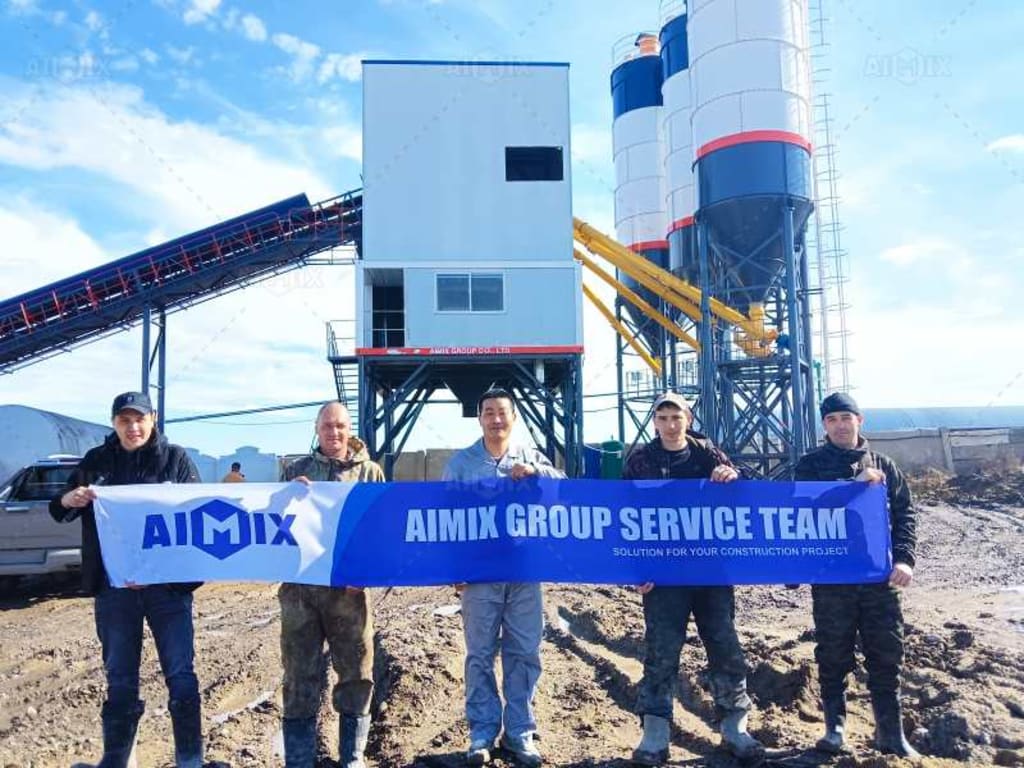
The demand for concrete batching plants is expected to rise in 2025, driven by increasing construction projects, urbanization, and infrastructure development worldwide. As a result, many contractors and investors are closely watching market trends to understand concrete batching plant price fluctuations and make informed purchasing decisions.
Whether you are looking for a concrete batching plant for sale or planning to expand your operations, knowing the factors influencing costs, regional price differences, and future market expectations can help you optimize your investment. This article explores the expected pricing trends in 2025 and the key factors affecting the cost of concrete batching plants.
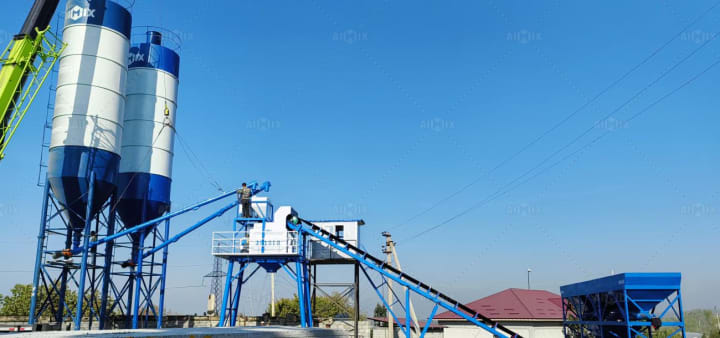
1. Factors Influencing Concrete Batching Plant Prices in 2025
Several elements will contribute to the price variations of concrete batching plants in 2025. The most significant ones include:
A. Raw Material Costs
The cost of raw materials such as cement, steel, and aggregates directly impacts the pricing of concrete batching plants. Global supply chain disruptions, inflation, and fluctuating material costs may lead to slight price increases in 2025. Contractors should monitor global market trends to anticipate potential cost surges.
B. Technological Advancements
Modern concrete batching plants are incorporating automation, AI-powered control systems, and energy-efficient designs. While these advancements improve operational efficiency, they also contribute to higher initial costs. In 2025, the demand for smart batching plants with real-time monitoring, automatic material proportioning, and remote diagnostics is expected to increase, potentially influencing prices.
C. Demand for Sustainable and Eco-Friendly Equipment
The push for eco-friendly construction is influencing equipment manufacturers to develop low-emission batching plants with energy-saving features. Plants that utilize alternative fuels, water recycling systems, and carbon-reducing technologies may have higher upfront costs but offer long-term operational savings.
D. Production Capacity and Customization
Concrete batching plants come in various capacities, from small-scale 25m³/h plants to large-scale 240m³/h plants. The higher the production capacity, the higher the price. Additionally, custom-built plants with specific storage silos, mixing systems, and control features may cost more than standard models.
E. Brand and Manufacturer Reputation
Well-established concrete batching plant manufacturers typically offer high-quality, durable equipment with strong after-sales support. While their prices may be higher, they ensure better performance, lower maintenance costs, and higher resale value. In contrast, cheaper alternatives may lead to higher operational costs due to frequent repairs and inefficiencies.
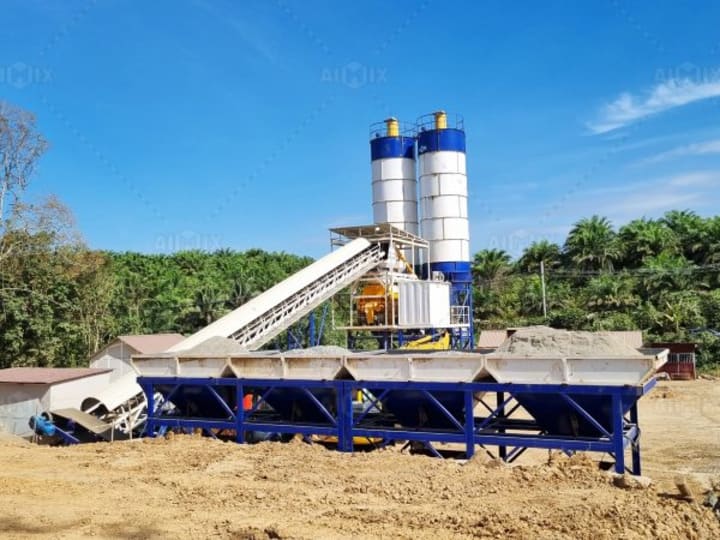
2. Expected Price Ranges for Concrete Batching Plants in 2025
While prices vary by brand, model, and region, here are some expected price ranges for different types of concrete batching plants for sale in 2025:
Type of Concrete Batching Plant Expected Price Range (USD)
Small Portable Batching Plant (25-50 m³/h) $30,000 - $100,000
Medium-Sized Batching Plant (60-120 m³/h) $100,000 - $250,000
Large Stationary Batching Plant (150-240 m³/h) $250,000 - $500,000
Mobile Concrete Batching Plant $50,000 - $200,000
Fully Automatic Batching Plant $100,000 - $400,000
A. Mobile vs. Stationary Batching Plants
Mobile concrete batching plants are ideal for temporary projects or remote locations, and their prices range from $50,000 to $200,000. These plants provide flexibility but may have slightly higher operational costs due to frequent transportation and setup.
Stationary concrete batching plants are best suited for high-volume production and permanent installations. Prices range from $100,000 to $500,000, depending on capacity and automation level.
B. Wet Mix vs. Dry Mix Batching Plants
Wet mix plants (which include a central mixer) generally cost more due to the additional mixing equipment but provide better concrete consistency.
Dry mix plants (which transport dry ingredients to the job site for on-site mixing) tend to be cheaper but require additional labor and mixing time.
3. Market Trends and Predictions for 2025
A. Increased Adoption of Automated and AI-Based Batching Plants
Automation will continue to dominate the concrete batching plant industry. More contractors will invest in AI-driven systems that improve precision, reduce waste, and enhance productivity. This trend will likely lead to a moderate increase in batching plant prices as demand for smart technology grows.
B. Growth in Prefabricated and Modular Construction
The precast concrete industry is expected to expand, increasing the need for high-precision batching plants capable of producing consistent, high-quality concrete for modular construction. Manufacturers may introduce more efficient batching solutions, slightly affecting costs.
C. Regional Price Variations
Developing countries may see lower prices due to local manufacturing and cheaper labor costs, whereas developed nations with strict environmental regulations may experience higher equipment prices. Buyers should compare local and international suppliers to find the best deal.
D. Rising Transportation and Installation Costs
Global shipping and logistics costs will continue to impact the final cost of concrete batching plants. Buyers should account for customs fees, import duties, and transportation expenses when budgeting for 2025 purchases.
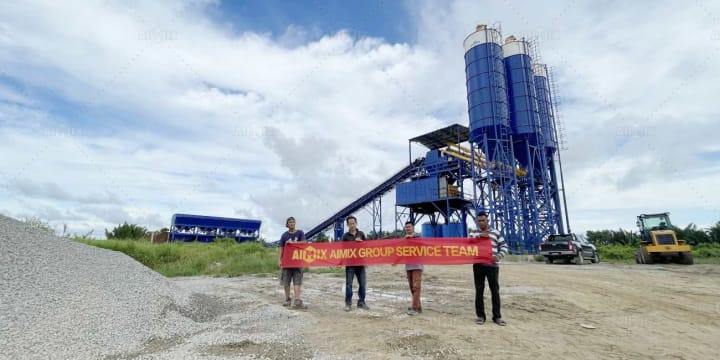
4. How to Optimize Your Concrete Batching Plant Investment in 2025
A. Compare Multiple Suppliers
Before purchasing a concrete batching plant for sale, compare quotes from reputable manufacturers. Look for warranty coverage, after-sales service, and spare parts availability.
B. Invest in Energy-Efficient Models
Choosing an energy-efficient batching plant can reduce long-term operational costs. Look for machines with low power consumption, high-efficiency motors, and energy-saving control systems.
C. Consider Local Manufacturing
If available, purchasing from a local batching plant manufacturer can reduce shipping costs and ensure faster technical support. Some manufacturers also offer financing options, making it easier to acquire the necessary equipment.
D. Factor in Total Cost of Ownership (TCO)
Instead of just looking at the initial concrete batching plant price, evaluate the long-term costs, including maintenance, spare parts, energy consumption, and labor requirements.
Conclusion
The concrete batching plant price in 2025 will be influenced by raw material costs, automation trends, sustainability factors, and regional market conditions. Prices are expected to rise slightly due to advancements in technology, increased demand for high-efficiency plants, and higher transportation costs. However, by choosing the right supplier, investing in energy-efficient models, and considering long-term operational savings, buyers can make a cost-effective investment.
Whether you’re looking for a mobile concrete batching plant for sale or a high-capacity stationary plant, staying informed about market trends will help you make a smart purchasing decision in 2025.
About the Creator
consrtuctionmachines
AIMIX is a customer-center-oriented heavy equipment manufacturer and supplier, devoted to production, innovation, combination, one-stop solution, etc.
https://aimixgroup.com/
Keep reading
More stories from consrtuctionmachines and writers in 01 and other communities.
How AI Influences the Cost of Concrete Pumps
Artificial Intelligence (AI) is transforming various industries, and the construction sector is no exception. One area where AI is making significant strides is in the realm of concrete pumping. Concrete pumps are indispensable in modern construction, enabling the efficient and precise placement of concrete in areas that are difficult to reach. However, the cost of concrete pumps can be a substantial investment for construction companies. AI is playing a pivotal role in influencing the cost of concrete pumps, both directly and indirectly, by enhancing operational efficiency, improving maintenance practices, optimizing resource usage, and even in the design and manufacturing processes. This passage will explore the multiple ways AI impacts the cost of concrete pumps, highlighting the benefits and implications for the construction industry.
By consrtuctionmachines11 months ago in 01
Data Anonymization Techniques to Ensure Privacy in Modern Enterprises
Enterprises today work with massive volumes of data coming from customers, users, employees, and digital systems. This data is critical for analytics, reporting, artificial intelligence, and strategic decision making. However, much of it contains sensitive or personal information that cannot be exposed or misused. With strict data privacy regulations and growing awareness around data protection, organizations must find a way to use data responsibly.
By Vinod Vasava6 days ago in 01
These Billionaires Bet Big On GreenLand—After Trump Took Interest
Topline Just months after President Donald Trump first expressed interest in the United States possibly gaining control over Greenland, some of the richest people in the world—including Jeff Bezos, Bill Gates and Michael Bloomberg—began making strategic investments in the mineral-rich island.
By Dena Falken Esq2 days ago in 01



Comments
There are no comments for this story
Be the first to respond and start the conversation.