
Cloud Kitchen App Development - A Complete Guide
Cloud Kitchen

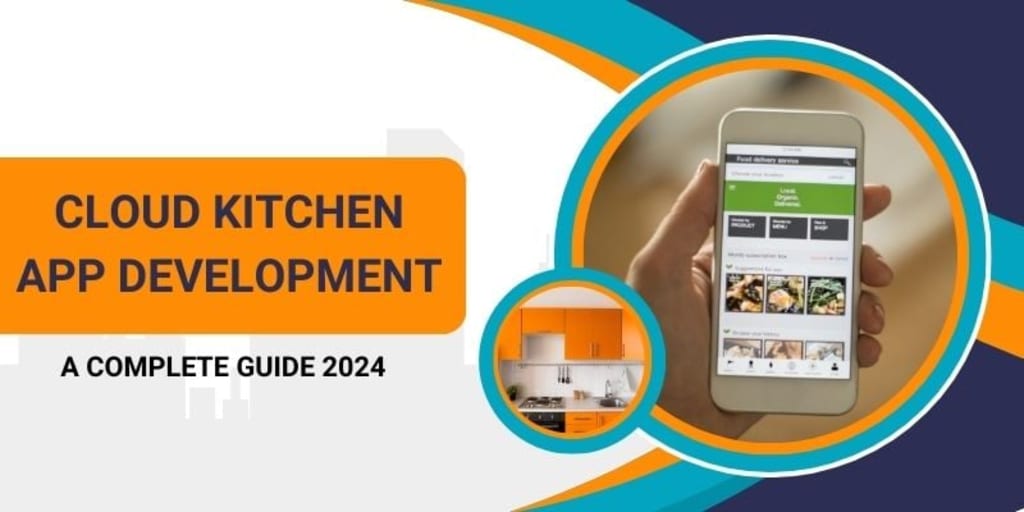
The cloud kitchen model, also known as ghost kitchens, dark kitchens, or virtual kitchens, has gained immense popularity in the food and restaurant industry. These digital kitchens operate without a traditional dine-in setup and rely on app-based orders for delivery or pickup. With the rise of cloud kitchens, there’s a significant demand for specialized cloud kitchen apps, designed to streamline the order management, customer engagement, and logistics that come with running an online-only food service.
In this article, we’ll explore the essentials of cloud kitchen app development, including the core features required, the estimated development cost, and how advanced technologies like generative AI in e-commerce are revolutionizing mobile app development services for cloud kitchens.
What is Cloud Kitchen App Development?
Cloud kitchen app development focuses on creating software solutions that cater specifically to cloud kitchens. Unlike traditional restaurant apps, these applications are tailored to manage delivery-centric operations, such as receiving orders, managing delivery personnel, and offering promotions. These apps not only benefit customers by providing a convenient ordering experience but also support the kitchen staff and business owners by automating processes and enhancing efficiency.
A robust cloud kitchen app typically consists of three main components:
- Customer App: For placing orders and tracking delivery.
- Kitchen App: For managing orders, inventory, and preparation status.
- Delivery App: For managing delivery drivers and tracking deliveries in real-time.
Each of these components plays a critical role in ensuring smooth operations and maximizing the profitability of cloud kitchens.
Key Features of a Cloud Kitchen App
When developing a cloud kitchen app, there are several must-have features to include, each designed to support various aspects of the business model. Here’s a breakdown of the essential features for each component of a cloud kitchen app.
1. Customer App Features
The customer-facing app should provide an intuitive and efficient way to order food, view menus, and receive updates. Here are some key features to include:
- User Registration and Login: Social media integration, email, and phone registration provide a seamless sign-up process.
- Menu Browsing and Search: A dynamic menu with filters to sort by price, popularity, dietary preferences, or cuisine types.
- Real-time Order Tracking: Allows customers to track the preparation and delivery stages of their order.
- Personalized Recommendations: Using generative AI in e-commerce, personalized suggestions based on past orders, time of day, and promotions can improve customer engagement.
- Multiple Payment Options: Options for credit card, debit card, digital wallets, and even cash-on-delivery enhance convenience.
- Feedback and Ratings: Customers can leave reviews and rate their meals, helping cloud kitchens improve service quality.
- Promotions and Discounts: Loyalty programs, discounts, and special deals encourage repeat orders.
2. Kitchen App Features
The kitchen app is crucial for managing incoming orders, updating stock, and coordinating meal preparation. Some key features for the kitchen-side app include:
- Order Management Dashboard: Displays all active orders, preparation time, and priority, helping staff manage workload.
- Inventory Management: Tracks ingredient levels and notifies staff when items are low, preventing out-of-stock scenarios.
- Real-time Notifications: Alerts for new orders, canceled orders, and special instructions.
- Preparation Timer and Alerts: Kitchen staff receive alerts on preparation timelines, ensuring food is delivered fresh and on time.
- Sales Analytics and Reports: Allows kitchen managers to analyze peak times, best-selling items, and other data that inform business decisions.
3. Delivery App Features
Efficient and reliable delivery is the backbone of any cloud kitchen operation. Delivery personnel need specific tools to ensure they meet timelines and optimize routes. Key delivery app features include:
- Driver Registration and Verification: Secure onboarding process with ID verification and background checks.
- Order Pickup and Delivery Status: Drivers can see pending deliveries, pickup locations, and real-time delivery instructions.
- Route Optimization and GPS Navigation: Using advanced location services, drivers can find the shortest and most efficient routes.
- Earnings and Ratings Management: Delivery personnel can track their earnings, receive customer feedback, and view their ratings.
- In-app Chat and Customer Support: Allows drivers to communicate with the kitchen staff or customer support in case of any issues.
Advanced Features in Cloud Kitchen App Development
While the basic features are essential, incorporating advanced functionalities can significantly improve the user experience and operational efficiency. Here are some cutting-edge features to consider:
1. Generative AI for Personalized Experiences
Generative AI in e-commerce is revolutionizing cloud kitchen apps by providing personalized recommendations, predictive sales insights, and customer behavior analytics. AI-driven data analysis can help cloud kitchens identify patterns, predict high-demand periods, and suggest menu optimizations. Personalized notifications and product suggestions can also be created based on customer order history and preferences, leading to higher engagement and sales.
2. Virtual Kitchen Tour and Menu Visualization
AR (Augmented Reality) features allow customers to take a virtual tour of the kitchen or view 3D representations of menu items. This helps build customer trust and enhances their ordering experience.
3. Automated Chatbots for Customer Support
AI-powered chatbots can assist customers with inquiries, from navigating the menu to tracking orders. Chatbots reduce the need for human intervention, making customer support efficient and available 24/7.
4. Predictive Inventory Management
With AI-enabled inventory management, cloud kitchens can accurately forecast stock requirements based on previous orders and seasonal trends, minimizing waste and ensuring stock availability.
5. Smart Kitchen Automation
IoT devices can be integrated into the cloud kitchen to monitor cooking times, temperature, and appliance usage. These devices alert staff to issues, ensuring that the quality of food is maintained consistently.
6. Multi-Brand and Franchise Management
A single cloud kitchen app can support multiple brands or franchises, allowing business owners to manage multiple menus and sales channels under one app seamlessly.
Cloud Kitchen App Development Cost
The cost of developing a cloud kitchen app varies significantly based on several factors, including the complexity of the app, the features required, and the region of development. Here’s a breakdown of estimated costs:
1. Development Team Costs
The composition of the development team (product manager, front-end and back-end developers, UI/UX designer, QA engineer) plays a significant role in determining the cost. Generally, hourly rates vary as follows:
- USA and Canada: $100-$200/hour
- Europe: $50-$150/hour
- Asia (India, Vietnam): $20-$80/hour
For a basic cloud kitchen app with essential features, development could take between 800 to 1200 hours, making the total estimated cost:
- Basic Cloud Kitchen App: $25,000 to $50,000
- Advanced Cloud Kitchen App: $50,000 to $100,000+
- Highly Customized App with AI and IoT Integration: $100,000 and above
2. Backend Infrastructure Costs
Cloud kitchen apps rely on robust backend infrastructure to handle orders, manage data, and process payments. Backend costs include:
- Hosting Services (AWS, Azure): $500 - $2000/month
- Payment Gateway Fees (Stripe, PayPal): 2.9% + $0.30 per transaction
- Third-party APIs (Maps, Chat, Notifications): Varies by usage
3. Maintenance and Updates
After launch, ongoing maintenance, and updates are essential for seamless operation and security. Monthly maintenance costs range between $2000 - $5000, depending on the app’s complexity and scale.
4. UI/UX Design Costs
A user-friendly and visually appealing design is essential for a cloud kitchen app. Custom UI/UX design can range between $5000 - $10,000.
Benefits of Cloud Kitchen Apps for Businesses
Investing in a cloud kitchen app provides several advantages for businesses:
- Increased Operational Efficiency: Automates ordering, inventory, and delivery management, reducing manual errors.
- Cost Savings: Cloud kitchens save on overhead costs, and an app further reduces dependency on third-party platforms.
- Enhanced Customer Experience: A well-designed app with personalized recommendations improves user satisfaction.
- Scalability: The app can support multiple brands, making it easy to expand the business.
Future Trends in Cloud Kitchen App Development
As technology advances, cloud kitchen apps are likely to incorporate even more innovative features. Here are some upcoming trends:
- Voice-activated Ordering Systems: With smart speakers and voice assistants, customers may soon place orders via voice commands.
- Blockchain for Transparent Food Supply Chains: Blockchain can help cloud kitchens track ingredient origins, providing customers with transparency about sourcing.
- AI-Powered Marketing and Sales Forecasting: With AI tools, cloud kitchens can predict high-demand times and plan marketing strategies accordingly.
- Drone and Autonomous Delivery: In the future, drones and autonomous vehicles could be integrated for faster and more cost-effective food delivery.

Conclusion
Cloud kitchen app development is a valuable investment for businesses looking to tap into the growing food delivery market. A well-developed app, equipped with essential and advanced features, not only enhances the customer experience but also streamlines operations, reduces costs, and supports business growth. While development costs can vary, the potential for scalability and profitability in cloud kitchens makes the investment worthwhile. Integrating generative AI in e-commerce features, like personalized recommendations and AI-driven analytics, can further enhance the app, making it more engaging and efficient.
By leveraging advanced mobile app development services and keeping up with future trends, cloud kitchens can stay competitive, offer excellent customer service, and make a strong impact in the food industry’s digital transformation journey.
About the Creator
Bella Swan
Hi, I’m Swan Bella, a marketing manager with five years of IT experience. At Octal IT Solution, a best android app development company.
Keep reading
More stories from Bella Swan and writers in 01 and other communities.
How Car Rental Apps Are Revolutionizing the Travel Industry
In recent years, the travel industry has experienced significant transformations, with technology playing a key role in reshaping the way people explore new destinations. Among the various innovations, car rental apps have emerged as a major player, revolutionizing how travelers book transportation services. These apps not only provide convenience but also offer a more flexible and seamless travel experience. As a result, car rental app development companies are now at the forefront of this revolution, helping businesses and consumers navigate a rapidly changing landscape.
By Bella Swanabout a year ago in 01
How Businesses Actually Choose the Best SEO Services Today?
Most businesses do not begin their SEO search with excitement. They begin with frustration. They have tried agencies that promised rankings without explaining trade-offs. They have paid for reports that looked impressive but changed nothing. By the time they start looking again, the question is no longer who sounds confident. It is who understands consequences.
By Jane Smith7 days ago in 01




Comments
There are no comments for this story
Be the first to respond and start the conversation.