
Can Reformer Pilates Be Used for Body Rest? Understanding Its Role in Active Recovery
Can Reformer Pilates Be Used for Body Rest? Understanding Its Role in Active Recovery

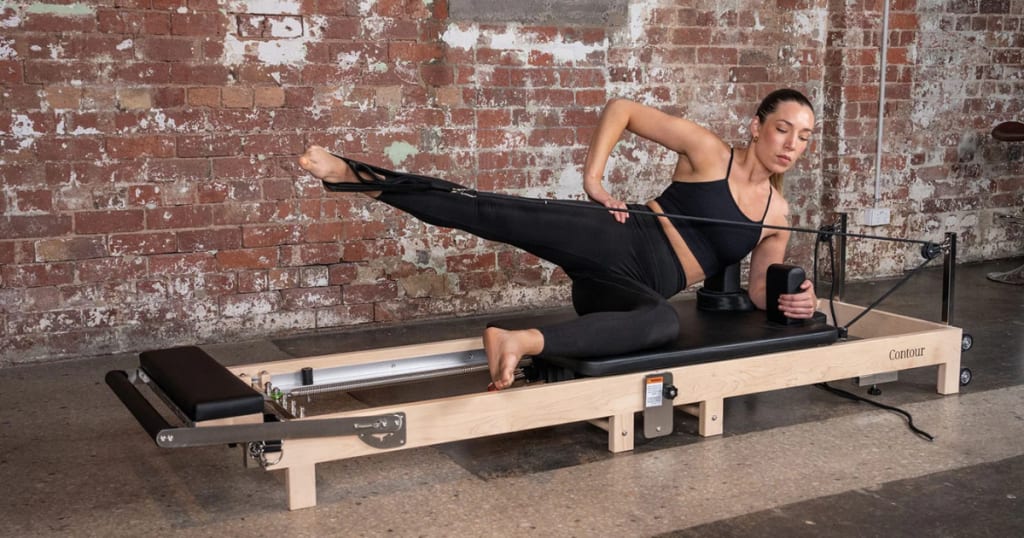
In the world of fitness, the concept of "active recovery" has gained substantial traction as a balanced approach to rest. While many assume rest is synonymous with stillness, it’s now understood that movement—when done properly—can speed up the recovery process, reduce soreness, and improve overall physical function. One exercise system that's increasingly recognized for its role in active recovery is Reformer Pilates. But how exactly does Reformer Pilates contribute to body rest? Is it just another form of exercise, or can it truly serve as a restorative practice?
What Is Reformer Pilates?
Before diving into how Reformer Pilates fits into the recovery landscape, it's essential to understand what it is. Pilates, created by Joseph Pilates in the early 20th century, is a low-impact exercise system designed to strengthen muscles while improving postural alignment, flexibility, and overall body awareness.
Reformer Pilates uses a specialized piece of equipment called a Reformer, which consists of a sliding carriage, springs that provide adjustable resistance, and a variety of bars and straps for resistance training. The Reformer allows for a range of exercises that challenge the body in different ways, increasing both strength and flexibility.
This equipment-based Pilates approach adds an extra dimension to the typical mat Pilates exercises by providing assistance and resistance, allowing for greater precision in movements, making it an excellent tool for both strengthening and recovery.
Reformer Pilates and Active Recovery
What Is Active Recovery?
Active recovery refers to physical activity that promotes healing without overloading the body. Unlike complete rest, active recovery involves light, non-strenuous movement designed to reduce muscle stiffness, enhance blood circulation, and alleviate tension. Activities like walking, yoga, and swimming are often used for active recovery, but Reformer Pilates is uniquely positioned to provide these same benefits while offering a focused, low-impact approach that gently engages and rehabilitates the body.
How Reformer Pilates Enhances Active Recovery
Reformer Pilates can be tailored to your specific needs, making it incredibly effective for those in the recovery phase after a workout, injury, or even long periods of physical inactivity. Here’s how Reformer Pilates helps:
1. Improved Blood Circulation and Oxygen Flow
One of the most critical components of recovery is ensuring that your muscles and tissues receive adequate blood flow and oxygen. The exercises performed on the Reformer are designed to stimulate circulation by engaging different muscle groups through controlled, fluid movements. These gentle movements, combined with resistance, help activate muscles without straining them, allowing for a steady flow of oxygen-rich blood to the areas that need it most. This improved circulation speeds up the healing process and helps clear out metabolic waste from muscle tissues, reducing muscle soreness.
2. Targeting Tension and Flexibility
Pilates exercises, particularly those on the Reformer, are focused on stretching and lengthening the muscles, which is essential for relieving tightness and increasing flexibility. After intense physical activity or long bouts of inactivity, muscles tend to become stiff. Stretching is crucial for restoring proper muscle function and preventing injury. The Reformer’s adjustable resistance makes it easier to access deep muscles and stretch them in ways that are difficult to achieve through traditional mat exercises. This helps release muscle tension and increases flexibility, which is vital for maintaining mobility as you recover.
3. Correcting Muscle Imbalances
Many people, especially those who work out intensely or sit for long hours, develop muscle imbalances. These imbalances can contribute to poor posture, discomfort, and even pain. Reformer Pilates addresses this issue by emphasizing balanced movement. The controlled movements on the Reformer are designed to activate both large and small muscle groups, helping to improve coordination and symmetry in the body. Correcting muscle imbalances can alleviate pain and prevent future injuries, promoting a more restful recovery.
4. Building Core Stability
Core strength is central to both Pilates and overall body health. A strong core supports the spine, improves posture, and enhances stability. Since the Reformer engages core muscles during almost every exercise, it’s an effective tool for building stability without causing strain. Strengthening the core promotes better body alignment and helps prevent injuries during recovery by ensuring that the spine and muscles function properly as you move.
5. Promoting Mental Relaxation
Reformer Pilates, while engaging physically, also encourages mindfulness and concentration. The controlled movements and focus on breathwork promote mental relaxation and clarity. Reducing stress and anxiety is an integral part of the recovery process, as tension in the mind can translate into tension in the body. Reformer Pilates not only helps recover physically, but it also fosters a calming environment where practitioners can focus inward, helping them reset mentally.
Can Reformer Pilates Replace Traditional Rest?
While Reformer Pilates can significantly enhance recovery, it’s important to clarify that it doesn’t replace complete rest. Recovery should include a balance of both active and passive rest—meaning it’s vital to listen to your body’s signals. For example, after an intense workout or injury, there are times when the best course of action is simply to rest without exertion. However, when incorporated appropriately into an active recovery regimen, Reformer Pilates can enhance the benefits of both active and passive rest.
Using Pilates as part of a balanced routine means focusing on mobility, breath, and relaxation while avoiding overexertion. If you're recovering from an injury, be sure to consult with a healthcare professional or a certified Pilates instructor to create a routine that suits your specific needs and limitations.
Practical Tips for Integrating Reformer Pilates into Your Active Recovery Routine
1. Focus on Gentle, Low-Impact Exercises
For active recovery, choose Pilates exercises that are gentle and focus on restoring flexibility and mobility. Some great examples include movements like leg stretches, spinal articulation, and gentle twists. These exercises promote relaxation while gradually increasing the range of motion in your joints and muscles.
2. Start Slow and Gradually Increase Intensity
If you’re new to Reformer Pilates or returning after a break, it’s important to start slow and build up. Begin with basic, restorative exercises before progressing to more challenging moves. The beauty of the Reformer is that it’s easily modifiable, allowing you to adjust the resistance and complexity of each exercise to match your recovery stage.
3. Incorporate Breathwork into Every Movement
Breathing is a fundamental aspect of Pilates that supports both physical and mental relaxation. Practicing controlled breathing helps to improve oxygen flow, relax tense muscles, and enhance focus during your movements. Be sure to incorporate deep, steady breathing into each Pilates exercise for maximum benefit.
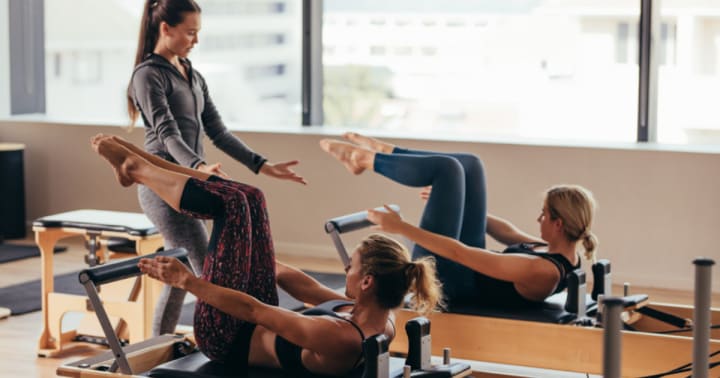
4. Work with a Certified Pilates Instructor
To ensure you're practicing Pilates in a way that's most beneficial for recovery, consider working with a certified Pilates instructor, especially if you're recovering from an injury. An experienced instructor will be able to assess your individual needs and guide you through exercises that are safe and effective for your body.
Learn More About Reformer Pilates Classes: If you're curious about integrating Reformer Pilates into your active recovery, Powerhouse Pilates offers expert guidance and classes specifically designed to promote recovery and body alignment. Whether you're a beginner or experienced practitioner, Powerhouse Pilates’ team is equipped to help you reach your goals safely and effectively.
Consult with Your Doctor Before Exercising
It’s essential to consult with your doctor if you have any medical issues before starting a new exercise routine. Pilates can be incredibly beneficial, but like any physical activity, it’s important to ensure that it’s safe for your specific health needs. Always perform exercises within your comfort range and avoid pushing yourself beyond your physical limits.
Conclusion
Reformer Pilates is a powerful tool for promoting body rest through active recovery. By incorporating gentle movement, improving flexibility, addressing muscle imbalances, and fostering mental relaxation, it can help restore balance and vitality to the body. Whether you're recovering from a rigorous workout or simply want to improve your overall body wellness, Reformer Pilates offers a unique and effective method for helping you feel better and move better.
Remember, recovery is a process that requires patience and self-awareness. If you’re looking to explore how Reformer Pilates can aid in your recovery journey, be sure to seek guidance from a certified instructor who can tailor exercises to your personal needs. For more information on classes, visit Powerhouse Pilates' classes page.
About the Creator
Keep reading
More stories from Gourav Singh and writers in 01 and other communities.
Accelerate Your Fitness Goals with the Power of Reformer Pilates
In the world of fitness, there are a variety of methods to strengthen, tone, and improve flexibility. Among these, Reformer Pilates has grown in popularity for its ability to enhance both physical and mental well-being. Whether you’re new to fitness or a seasoned athlete, this method provides a comprehensive approach to achieving your fitness goals.
By Gourav Singh11 months ago in 01
How Tax Outsourcing Companies Are Helping U.S. Businesses Stay Compliant and Profitable
Taxes are one of the most unavoidable parts of doing business in the United States. Whether you’re running a small startup or managing a growing company, tax compliance can quickly turn into a major headache. This is where Tax Outsourcing Companies have become a game-changer for businesses across the USA. By handing over complex tax responsibilities to professionals, companies are finding smarter ways to save time, reduce errors, and stay compliant with ever-changing tax laws.
By Outsourced Bookkeeping Solutions6 days ago in 01
Elon Musk called medical school "pointless," but Jeff Bezos wants Gen Z to finish college before starting their own companies — as AI threatens entry-level jobs
The job market is becoming volatile by the minute as generative AI becomes more prevalent and gains broad adoption across organizations worldwide. Last year, Salesforce CEO Marc Benioff revealed that the company is seriously debating hiring software engineers, citing "incredible productivity gains" from agentic AIs.
By Dena Falken Esq3 days ago in 01




Comments
There are no comments for this story
Be the first to respond and start the conversation.