
Business Intelligence in Healthcare: Transforming Data into Better Patient Care
Discover how business intelligence in healthcare optimizes patient care, cuts costs, and drives data-driven decisions for a transformative industry future.
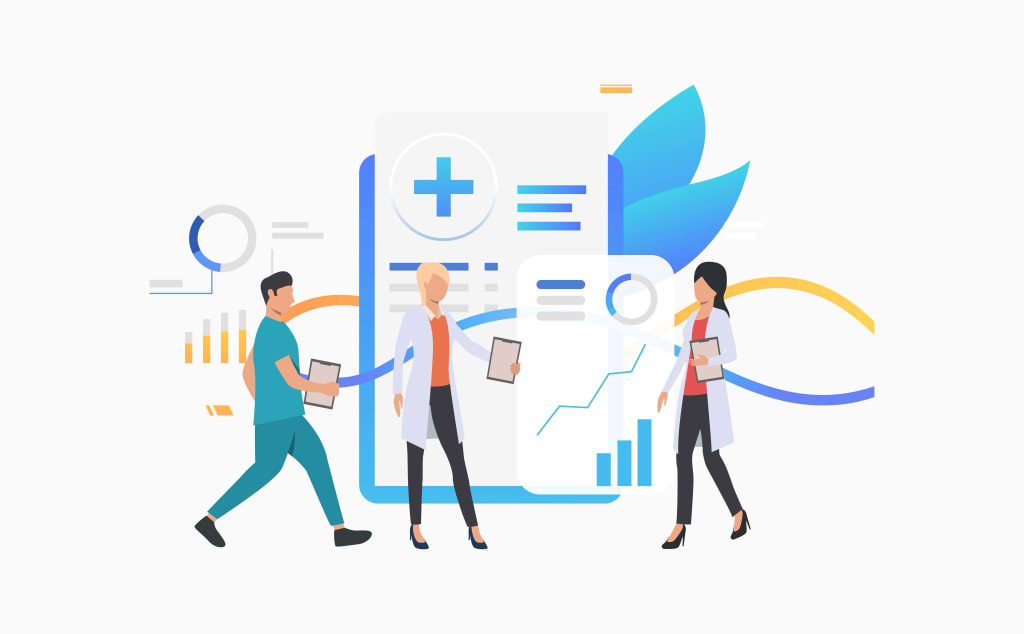
Healthcare organizations constantly face the challenge of delivering high-quality patient care while managing costs and complying with complex regulations. In recent years, one critical asset has emerged as a driving force to help meet these demands—data. Vast amounts of clinical and operational data flow through hospitals, clinics, and other healthcare facilities every day. When harnessed effectively, this data can lead to strategic insights that improve patient outcomes and financial performance. Enter Business Intelligence in Healthcare: the practice of using data analytics and reporting tools to make informed decisions, streamline processes, and ultimately enhance the overall quality of care.
In this article, we will explore how business intelligence (BI) is transforming healthcare organizations, the common barriers to adoption, and the future potential of data-driven healthcare.
Understanding Business Intelligence in Healthcare
In simplest terms, business intelligence in healthcare involves the collection, integration, analysis, and reporting of data to support decision-making at all levels of the organization. While traditional reporting tools can give a static snapshot of operations, modern BI systems provide dynamic dashboards, real-time analytics, and predictive modeling capabilities. This enables healthcare providers to make proactive, evidence-based decisions rather than relying solely on retrospective data reviews.
In practice, BI in healthcare brings together various data sources—electronic health records (EHRs), claims data, patient satisfaction surveys, staffing schedules, inventory logs, and more—into a unified platform. From there, advanced analytics methods (such as machine learning, data mining, or even natural language processing) can be applied to uncover relationships and generate actionable insights. For instance, identifying patients at high risk of chronic disease complications allows care teams to intervene early, preventing costly hospital readmissions and improving patient outcomes.
Key Applications of BI in Healthcare
1. Population Health Management
By analyzing demographic, clinical, and social data, healthcare providers can segment patient populations and develop targeted interventions. For example, a group of diabetic patients might benefit from personalized outreach programs focusing on diet, exercise, and medication adherence. Through BI, administrators can track progress in real-time and adjust these programs as needed.
2. Financial Planning and Revenue Cycle Management
Running a healthcare facility involves managing budgets, reimbursements, and revenue streams. BI tools aid in identifying payment bottlenecks, streamlining billing procedures, and optimizing resource allocation. Administrators can use data-driven insights to forecast revenue, reduce claim denials, and identify areas for cost savings.
3. Clinical Decision Support
From diagnosing rare conditions to preventing medication errors, BI analytics can improve clinical decision-making. By integrating patient records with evidence-based guidelines, clinicians receive real-time alerts, such as drug interaction warnings or reminders for preventive screenings. These interventions help reduce errors and maintain consistent clinical practice standards.
4. Operational Efficiency
Hospitals and clinics struggle daily with scheduling and resource allocation. BI dashboards can reveal patterns in patient flow, helping administrators predict peak times and optimize staffing. This reduces wait times and ensures that the right personnel and equipment are available at the right moment.
5. Quality and Compliance
Healthcare providers must navigate a complex web of regulations, accreditation requirements, and quality standards. BI systems help track key performance indicators (KPIs), such as patient safety incidents or readmission rates, and automatically generate compliance reports. Continuous monitoring makes it easier to spot issues early and implement corrective measures.
Benefits of Business Intelligence in Healthcare
- Enhanced Patient Outcomes: By providing clinicians with timely, data-driven insights, BI enables personalized care plans that can significantly improve patient outcomes and satisfaction.
- Cost Reduction: Efficient resource utilization, predictive maintenance of medical equipment, and streamlined revenue cycle management lead to substantial cost savings.
- Proactive Decision-Making: Rather than waiting for monthly or quarterly reports, BI dashboards offer real-time data. Healthcare leaders can rapidly adapt strategies to new challenges such as patient surges or shifts in reimbursement models.
- Improved Collaboration: BI platforms often feature user-friendly dashboards and tools, making data accessible to non-technical staff. This fosters a culture of teamwork, as clinicians, administrators, and executives share a single source of truth.
- Regulatory Compliance: Automated data aggregation and reporting reduce manual errors, ease audit processes, and strengthen compliance with frameworks like HIPAA or value-based care initiatives.
Common Barriers to BI Adoption
Despite its many advantages, business intelligence in healthcare faces a few challenges:
- Data Silos: Healthcare data is frequently fragmented across EHR systems, lab databases, billing platforms, and other specialized software. Integrating these siloed sources into a cohesive BI solution requires robust data management strategies.
- Security and Privacy Concerns: Handling sensitive patient data demands strict compliance with regulations and rigorous security protocols. Any BI implementation must prioritize data encryption, user access controls, and ongoing risk assessments.
- Complex IT Infrastructure: Some organizations lack the technical expertise or infrastructure to support large-scale BI projects. Cloud-based BI services can mitigate hardware investment, but skilled professionals are still needed to manage data ingestion, modeling, and analysis.
- User Resistance and Training: Transitioning to a data-centric culture can meet resistance from staff accustomed to manual processes. Adequate training, along with user-friendly tools, can help overcome skepticism and drive adoption.
- Cost Considerations: The initial investment in BI software and implementation can be substantial. However, many providers find that longer-term savings and efficiency gains justify the upfront expenditure.
The Future of Data-Driven Healthcare
Business intelligence is only the beginning of a broader digital transformation reshaping the healthcare sector. As technologies like artificial intelligence (AI), machine learning, and big data analytics continue to advance, the potential for deeper, faster, and more accurate insights grows exponentially. Soon, healthcare organizations may use advanced predictive models to:
- Preempt outbreaks and epidemics by analyzing community-level social determinants.
- Personalize treatment plans using genetic and biomarker data.
- Automate administrative tasks through natural language processing (NLP) to reduce clinician burnout.
- Monitor patient vitals and behaviors via wearable devices, providing immediate feedback loops for chronic disease management.
- Additionally, interoperability standards are improving, making it easier to share data securely between providers, payers, and patients themselves. This interconnected ecosystem could drive even greater collaboration and innovation.
Conclusion
Embracing business intelligence in healthcare is no longer a luxury for large hospital networks alone—it’s rapidly becoming a necessity for providers of all sizes. By uniting patient data, operational workflows, and financial insights within a single BI platform, healthcare institutions can make more informed decisions. These decisions, in turn, can improve patient outcomes, slash costs, and foster a culture of continuous improvement. While implementation hurdles like data silos, compliance requirements, and user adoption remain, the long-term benefits of data-driven strategies are clear. With the right vision, tools, and leadership, BI promises a safer, more efficient, and patient-focused future for healthcare.
FAQ
Q1: How does business intelligence in healthcare differ from traditional reporting?
Traditional reporting typically involves static, retrospective documents with limited insights. Business intelligence offers real-time analytics, interactive dashboards, and predictive modeling, enabling proactive decision-making rather than reactive responses.
Q2: Is business intelligence too expensive for smaller clinics or private practices?
While high-end BI solutions can be costly, many vendors offer scalable, cloud-based services that suit smaller budgets. Over time, improved efficiency and better resource allocation often offset the initial investment.
Q3: How does BI enhance patient care quality?
By centralizing patient data and employing analytics, BI tools help identify risk factors, personalize treatment plans, and alert clinicians to potential issues (e.g., drug interactions). This data-driven approach can greatly boost treatment effectiveness and patient satisfaction.
Q4: What measures protect patient data in BI systems?
A robust BI implementation employs encryption, multi-factor authentication, access controls, and regular audits. Adhering to HIPAA or other relevant standards is also vital for protecting patient data.
Q5: Can BI predict future healthcare trends or crises?
To an extent, yes. Predictive analytics, a subset of BI, can identify early indicators of disease outbreaks or forecast patient volumes. While not a crystal ball, these insights allow healthcare organizations to prepare resources and mitigate risks in advance.
About the Creator
Keep reading
More stories from Stephan Hawke and writers in 01 and other communities.
Generative AI in Healthcare: Transforming the Future of Patient Care
Healthcare is on the cusp of a revolutionary shift—one powered by advanced data analytics, automation, and artificial intelligence (AI). While AI has already made inroads through machine learning and predictive modeling, generative AI in healthcare takes these capabilities to the next level. This subset of AI involves using machine learning models—especially those based on deep learning—to create new, often complex outputs, ranging from synthetic data to new drug formulations and personalized treatment strategies.
By Stephan Hawke12 months ago in 01
A leading European AI startup says its edge over Silicon Valley isn't better tech — it's not being American
Arthur Mensch, CEO and cofounder of Mistral, said being non-American is a competitive edge its home market. He said European governments and regulated firms want AI that they can control without US providers. AI power will be multipolar, favoring regional players over Silicon Valley giants, he said.
By Dena Falken Esq4 days ago in 01
Data-Driven Configuration Suggestions for Batch Asphalt Plants
Asphalt mixing plant manufacturers can significantly enhance client satisfaction by providing data-driven configuration suggestions for batch asphalt plants. By analyzing factors such as production scale, material types, and operational goals, manufacturers can tailor recommendations that align equipment performance with client needs. This approach not only optimizes production efficiency but also helps clients maximize their investments in asphalt mixing technology.
By Macroad Asphalt Plant5 days ago in 01




Comments
There are no comments for this story
Be the first to respond and start the conversation.