
Breaking Barriers
The True Definition of Assistive Technology

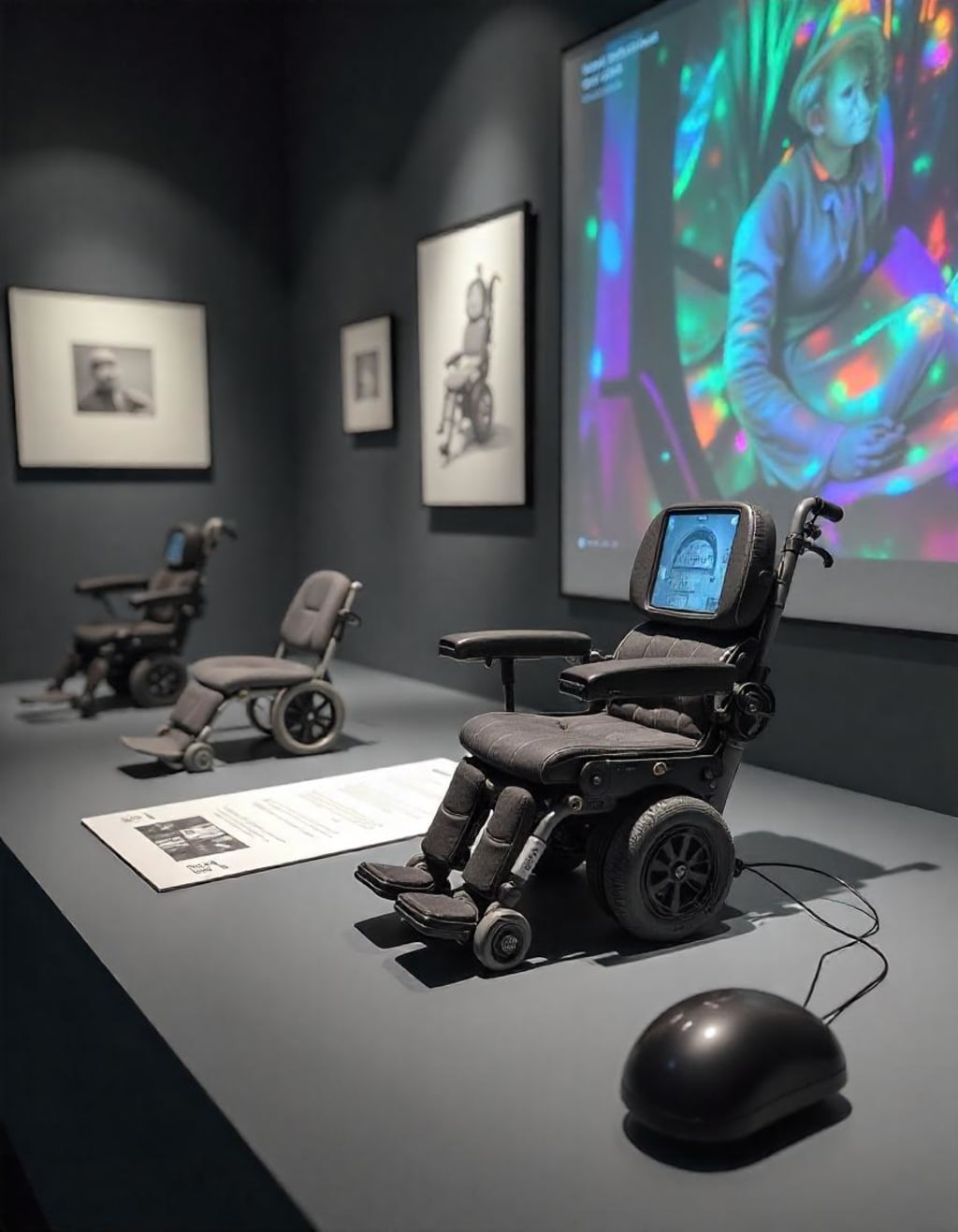
Technology has transformed lives in ways we never imagined, but for individuals with disabilities, it has been nothing short of revolutionary. Assistive technology (AT) helps people overcome physical, sensory, and cognitive barriers, enabling them to live more independently and participate fully in society. But what exactly is assistive technology, and why does it matter?
Defining Assistive Technology
A Simple Definition
Assistive technology refers to any tool, device, or software designed to improve the functional capabilities of individuals with disabilities. From wheelchairs to voice recognition software, AT spans a wide range of innovations that enhance accessibility and independence.
Legal and Industry Definitions
Organizations like the World Health Organization (WHO) and the Americans with Disabilities Act (ADA) define AT as any product or system that maintains or improves a person's quality of life. These definitions highlight its essential role in promoting equal opportunities.
Types of Assistive Technology
Mobility Aids
Devices like wheelchairs, prosthetics, and stairlifts help people with mobility impairments navigate their environment.
Communication Devices
Speech-to-text software, Braille displays, and text-to-speech apps empower individuals with speech or hearing difficulties.
Sensory Enhancements
From hearing aids to screen readers, these technologies assist those with vision and hearing impairments.
Cognitive Support Tools
Reminder apps, smart organizers, and AI-driven assistants help people with cognitive challenges manage their daily tasks.
The Evolution of Assistive Technology
Early Innovations
Centuries ago, rudimentary tools like wooden crutches were used to assist mobility. The 19th and 20th centuries saw major breakthroughs, including the invention of Braille and the first electric wheelchair.
Modern Breakthroughs
Today, brain-computer interfaces, smart prosthetics, and AI-driven solutions have expanded the possibilities for people with disabilities.
Future Possibilities
With ongoing advancements, bionic limbs, mind-controlled devices, and even wearable AI are on the horizon, promising even greater accessibility.
How Assistive Technology is Changing Lives
Education
Text-to-speech software and adaptive learning tools help students with disabilities access education more effectively.
Workplace
Employers are integrating screen readers, ergonomic tools, and flexible software to create inclusive work environments.
Daily Living
Smart home technology, like voice-controlled assistants and automated door openers, allows people to live more independently.
Healthcare
Robotic exoskeletons and telehealth services are enhancing medical treatments and physical therapy options.
The Role of AI and Automation in Assistive Tech
AI-Powered Prosthetics
Modern bionic limbs use AI to adapt to movement, providing a near-natural experience for users.
Smart Assistants
Voice-controlled AI, such as Alexa and Siri, offers hands-free control over everyday tasks, benefiting people with mobility impairments.
Machine Learning for Accessibility
AI-powered speech recognition and facial recognition tools improve communication for individuals with speech and cognitive impairments.
Challenges and Limitations
Cost
Many assistive technologies are expensive, making them inaccessible for some users.
Accessibility
Some regions lack the infrastructure or policies to support AT adoption.
Awareness and Stigma
Misconceptions about disabilities can lead to hesitation in adopting assistive tools.
Government Policies and Support Programs
US Regulations
Laws like the Americans with Disabilities Act (ADA) ensure workplace accommodations and equal access to AT.
International Efforts
Organizations like the WHO and UN advocate for global accessibility initiatives.
Nonprofit Contributions
Groups like the Christopher & Dana Reeve Foundation fund assistive tech research and distribution.
How to Choose the Right Assistive Technology
Factors to Consider
When selecting AT, think about personal needs, affordability, and compatibility with existing tools.
Resources for Finding the Best Tools
Consult disability support organizations, healthcare professionals, and online AT directories for guidance.
Conclusion
Assistive technology is breaking barriers and transforming lives, enabling individuals with disabilities to navigate the world with independence and confidence. As technology continues to evolve, the future of accessibility looks brighter than ever.
FAQs
1. What is an example of assistive technology?
Common examples include wheelchairs, screen readers, hearing aids, and speech-to-text software.
2. How does assistive technology benefit students?
It helps students with disabilities access learning materials, communicate effectively, and participate in classroom activities.
3. Is assistive technology only for people with disabilities?
No, while primarily designed for individuals with disabilities, many AT tools benefit the elderly and people recovering from injuries.
4. What are the latest trends in assistive technology?
AI-driven prosthetics, brain-computer interfaces, and smart home automation are revolutionizing accessibility.
5. How can I get assistive technology for free or at a low cost?
Check with government programs, nonprofit organizations, and assistive technology lending libraries for financial assistance.
About the Creator
Apleetech
Apleetech is a Professional Technology Platform. Here we will provide you only interesting content, which you will like very much. We're dedicated to providing you with the best of Technology, with a focus on dependability and Tech.
Nathan Allen Pirtle’s Influence on Modern Brand Strategy
In today’s crowded digital landscape, brands are no longer built on advertising alone. They are shaped by culture, trust, storytelling, and the ability to move at the speed of the internet without losing authenticity. Few strategists understand this balance as clearly as Nathan Allen Pirtle. His influence on modern brand strategy reflects a deeper shift in how brands earn relevance, loyalty, and long-term impact.
By Jeffrey D. Gross MD3 days ago in 01
Amazon warehouse employee left stunned at Jeff Bezos’ response after she emailed him about pay
Tara Jones took her complaint straight to the top and sparked a major review of pay errors A woman who was employed by Amazon went straight to the organ grinder, not the monkey, when she had a pay dispute.
By Dena Falken Esq5 days ago in 01



Comments
There are no comments for this story
Be the first to respond and start the conversation.