
Boosting Print Quality and Efficiency with Dual Cure Emulsion
Why Dual Cure Emulsion is the Key to Sharper Prints and Smoother Production in the USA

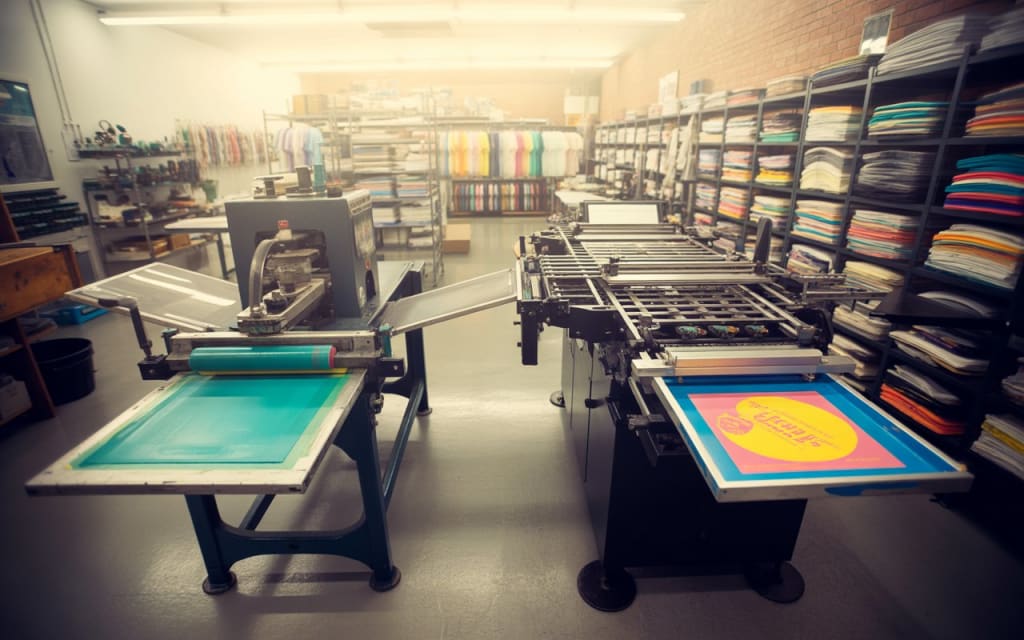
In screen printing, the details are everything—from the mesh count you're using to the ink you've got on your press. But if there's a single variable that can make or break the entire process, it's the stencil. A good, accurate stencil ensures crisp details, consistent results, and less drama in production. And for many printers across the USA, the key to more robust stencils and smoother runs is dual cure emulsion.
So, what makes dual cure emulsions special? More importantly, how can they help you improve print and shop quality and efficiency in your business? Let's dive in.
What Is Dual Cure Emulsion?
Essentially, emulsion is a light-sensitive coating that you apply to your screen to create a stencil. There are a few different types—pure photopolymer, diazo, and dual cure.
Dual cure emulsions combine two sensitizers:
- Photopolymer, which provides sharp resolution and detail.
- Diazo, which adds durability and resistance.
The mix gives you a stencil that's both very detailed and strong enough to stand up to long runs, aggressive inks, and thorough cleaning. Think of it as the "best of both worlds" method—fast, accurate imaging combined with long-term durability.
Why USA Printers Love Dual Cure
Dual cure emulsions are the screen shop favorite across the USA because they balance quality and productivity—two goals that often appear mutually exclusive. Here's why they're a top choice:
- Sharper Prints: Thin lines, halftones, and small type stay crisp.
- Fewer Breakdowns: The stencil resists water-based, plastisol, and solvent-based inks.
- More Forgiveness: Dual cures have a wider exposure latitude, which means that you don't need perfection in your exposure setup.
- Faster Production Runs: Because the stencil lasts longer on press, you spend less time reprinting screens.
For busy shops, that pair equals less downtime, less waste, and more prints on the dryer daily.
How Dual Cure Emulsion Enhances Print Quality
Quality first is what we'll discuss. After all, customers don't just want shirts—they want designs that pop.
1. Crisp Detail and Halftones
Dual cure emulsions capture detailed artwork with high definition. If you're printing designs with thin lines or gradients, you'll notice the difference immediately. Instead of fuzzy edges or missing dots, you get sharp definition that mirrors the original artwork.
2. Even Image Washout
Because dual cures expose evenly and wash out clean and nice, your stencils develop with fewer weak spots or pinholes. That evenness adds sharpness to every print.
3. Less Ghosting and Breakdown
Inferior stencils tend to create ghosting (unwanted haze) or mid-run breakdowns. Dual cures are wear-resistant, so the stencil holds up from the first print to the last.
In short, the stencil acts as a reliable gatekeeper—letting ink pass through only where it's supposed to, and closing off the rest of the screen securely.
How Dual Cure Emulsion Increases Efficiency
Quality is important, but let's be realistic: screen printing is a time and money issue too. Dual cure emulsions lead the way here as well.
1. Longer Stencil Life
Dual cure emulsions are tougher than straight photopolymers, so they withstand longer print runs. That means fewer remakes, less downtime, and more shirts per shift.
2. Forgiving Exposure Range
At real-world shops, exposure units are not always optimal. Bulbs age, coatings vary, and humidity changes from day to day. Dual cure emulsions give you more exposure latitude, so even if the conditions are less than ideal, you still have useable screens.
3. Recovery from Mistakes is Easier
Dual cures are more forgiving than photopolymers when you under- or overexpose slightly. That forgiveness saves wasted time and material when things do not go exactly as planned.
4. Faster Setup for Multicolor Jobs
Because dual cures function with different mesh counts and inks well, you don't need to have separate emulsions for every job. That versatility maintains your screen room in order and production flowing.
Step-by-Step Tips for Optimum Results
To really maximize both print quality and efficiency, the following are some best practices when utilizing dual cure emulsions:
- Start with a Clean Screen – Degrease well to avoid pinholes.
- Apply Even Coats – Utilize a scoop coater for consistency. Apply once on the print side, once on the squeegee side, and complete with one last print-side coat.
- Dry Screens Properly – Place them in a darkroom with no dust and airflow. Ideal conditions are at approximately 85°F and 40–50% humidity.
- Use an Exposure Calculator – In spite of forgiveness, dialing in your exposure time yields consistent results.
- Post-Expose for Strength – After washout and drying, give the screen an additional light exposure to harden the stencil. This step increases durability with long runs.
Common Mistakes to Avoid
Regardless of the quality of the emulsion, it cannot make up for poor habits. Avoid these pitfalls:
- Skipping degreasing – Residues and oils ruin adhesion.
- Overcoating – Excessive thickness distorts fine details and increases drying times.
- Guessing exposure – Eyeballing exposure often leads to premature stencil breakdown.
- Improper storage – In humid environments, coated screens can absorb moisture and lose quality if not stored properly.
By steering clear of these mistakes, you’ll save time, money, and frustration.
Why Dual Cure Emulsion is a Smart Investment
Some beginners worry about the cost. Dual cure emulsions may seem pricier than standard options, but in practice, they save money by:
- Reducing screen remakes.
- Lasting longer on press.
- Delivering consistent, professional results that keep your customers coming back.
In a competitive market like the USA, quality and efficiency aren't just what you want—they're what set your shop apart. Dual cure emulsions allow you to deliver both.
Final Thoughts
In screen printing, you cannot skimp on your stencil. With a bad stencil, you get fuzzy prints, wasted time, and dissatisfied customers. Dual cure emulsions do away with that problem by offering crisp, detailed stencils that withstand pressure.
Above all, they get your shop running more smoothly. You will spend less time fixing mistakes, less money reprinting screens, and more time making quality prints.
Whether you’re running a small startup or a large-scale operation in the USA, dual cure emulsion is more than just chemistry—it’s a tool that boosts both quality and productivity. If you’re ready to take your prints and your workflow to the next level, it’s time to give dual cure a permanent place in your screen room.
About the Creator
Alisa cristine
I’m a fashion & lifestyle enthusiast sharing the latest trends, styling tips, and creative T-shirt printing ideas to make everyday fashion fun, bold, and uniquely you.
Keep reading
More stories from Alisa cristine and writers in 01 and other communities.
Best Diesel Heater for Tent Camping: Stay Warm Outdoors
Camping outdoors is a great adventure, but when it becomes cold, staying warm inside your tent becomes essential. That is where a diesel tent heater comes in handy. Compared to electric or propane heaters, which are not that efficient, diesel heaters are consistent, durable, and perfect for places where power points are limited. If you want comfort on your camping trips, the acquisition of the best portable diesel heater for camping can be the turning point.
By Alisa cristine4 months ago in Lifehack
Data Anonymization Techniques to Ensure Privacy in Modern Enterprises
Enterprises today work with massive volumes of data coming from customers, users, employees, and digital systems. This data is critical for analytics, reporting, artificial intelligence, and strategic decision making. However, much of it contains sensitive or personal information that cannot be exposed or misused. With strict data privacy regulations and growing awareness around data protection, organizations must find a way to use data responsibly.
By Vinod Vasava5 days ago in 01
These Billionaires Bet Big On GreenLand—After Trump Took Interest
Topline Just months after President Donald Trump first expressed interest in the United States possibly gaining control over Greenland, some of the richest people in the world—including Jeff Bezos, Bill Gates and Michael Bloomberg—began making strategic investments in the mineral-rich island.
By Dena Falken Esqabout 16 hours ago in 01


Comments
There are no comments for this story
Be the first to respond and start the conversation.