
Blog or Vlog?
Benefits, Drawbacks, and Suitability of Blog and Vlog

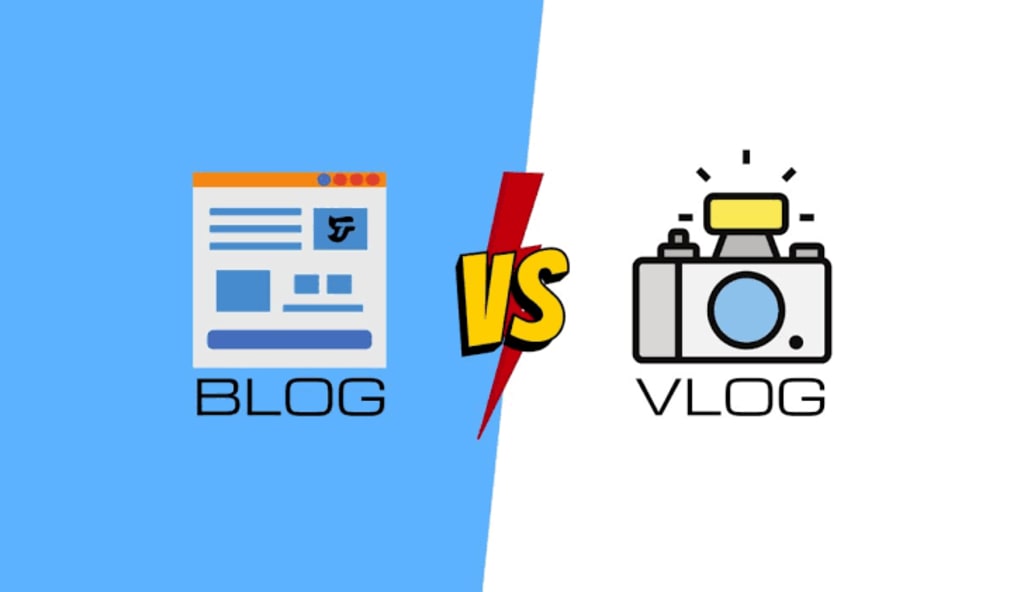
Blogs and vlogs are two popular forms of content creation that have gained immense popularity over the years. Both of these mediums offer unique advantages and challenges to content creators, and choosing between the two can be a tough decision. I'll compare blogs and vlogs in terms of their benefits, drawbacks, and suitability for different purposes.
Blog:
A blog is a website or an online platform where an individual or a group of people share their thoughts, opinions, experiences, and information with their readers through written content. It can cover a wide range of topics, from personal stories to business advice and news.
Vlog:
A vlog, on the other hand, is a video blog where content creators share their experiences, opinions, and ideas through videos. Vlogs can be similar to blogs in terms of content, covering topics ranging from travel, cooking, beauty, gaming, and more.
Benefits of Blogging:
SEO-Friendly: Blogs are great for SEO because they allow for the creation of a large amount of content, which helps improve a website's search engine ranking.
Easy to Produce: Blogging is easy to produce, and all you need is a computer and internet connection. You don't need any special equipment or software to create a blog.
Build Relationships: Blogging allows you to build relationships with your readers by sharing your thoughts and engaging with them in the comments section.
Build Credibility: Blogging can help you establish yourself as an expert in your field and build credibility with your audience.
Low-cost: Blogging is a low-cost way to market your business, and it's an effective way to attract new customers.
Drawbacks of Blogging:
Time-consuming: Blogging can be time-consuming because it involves writing, editing, and publishing content on a regular basis.
Requires Writing Skills: Blogging requires good writing skills, and if you're not a good writer, you may struggle to create high-quality content.
Limited Creativity: Blogging limits your creativity because you're limited to written content.
Benefits of Vlogging:
Engaging: Vlogging is engaging because it allows you to connect with your audience on a personal level.
Visual Medium: Vlogging is a visual medium that allows you to express your ideas and creativity in a way that written content can't.
Wider Reach: Vlogging can help you reach a wider audience because video content is more shareable than written content.
Monetization: Vlogging can be monetized through ads, sponsorships, and partnerships, which can help you earn a steady income.
Versatile: Vlogging is versatile because it can cover a wide range of topics, from lifestyle to business to entertainment.
Drawbacks of Vlogging:
Technical Skills: Vlogging requires technical skills, including video editing and production.
Equipment: Vlogging requires specialized equipment, including cameras, microphones, and lighting, which can be expensive.
Time-Consuming: Vlogging can be time-consuming because it involves filming, editing, and publishing videos.
Requires Confidence: Vlogging requires confidence because you'll be appearing on camera and sharing your thoughts with the world.
Both blogs and vlogs have their unique advantages and challenges, and choosing between the two will depend on your goals, preferences, and resources. If you're looking to improve your website's SEO, establish credibility, and build relationships with your readers, blogging may be the way to go. On the other hand, if you want to connect with your audience on a personal level, reach a wider audience, and monetize your content, vlogging may be the better choice. Blogging offers an excellent platform for sharing written content, while vlogging allows for more engaging and personal content delivery. Both forms of content creation require a significant amount of time and effort and offer opportunities for monetization. Ultimately, the choice between blogging and vlogging will depend on the creator's interests, skills, and goals.
About the Creator
Keep reading
More stories from Qazi Abdul Sammad and writers in 01 and other communities.
Excessive use of Social Media
In the modern era, social media has become an integral part of our daily lives. We use it to connect with friends and family, share our thoughts and experiences, and stay up-to-date with the latest news and trends. However, the excessive use of social media can have a negative impact on our mental health, productivity, and overall well-being.
By Qazi Abdul Sammad3 years ago in 01
Japan Smart Doorbell Market Size and Forecast 2025–2033
Market Snapshot The Japan Smart Doorbell Market is expected to reach US$ 736.05 million by 2033, up from US$ 212.53 million in 2024, expanding at a robust CAGR of 14.8% from 2025 to 2033. Rapid urbanization, increasing adoption of smart home technologies, and rising demand for home security systems are driving market growth. Advancements in AI, video analytics, and wireless connectivity are further strengthening consumer demand for smart doorbell systems.
By jaiklin Fanandish6 days ago in 01
The Future of Podcast App Development: What to Expect in 2026
Podcasting has evolved from a niche content format into a mainstream digital medium consumed by millions worldwide. As audiences grow and listening habits mature, podcast apps are no longer simple audio players. In 2026, podcast app development is expected to focus heavily on personalization, scalability, creator empowerment, and immersive user experiences. These changes will redefine how users discover, consume, and interact with audio content.
By shane cornerusabout 12 hours ago in 01


Comments
There are no comments for this story
Be the first to respond and start the conversation.