
Bitcoin’s Rollercoaster: Understanding the Rise, Fall, and Future of the World’s Most Popular Cryptocurrency
From Boom to Bloodbath: Why Bitcoin Prices Are Falling and What It Means for Crypto Investors

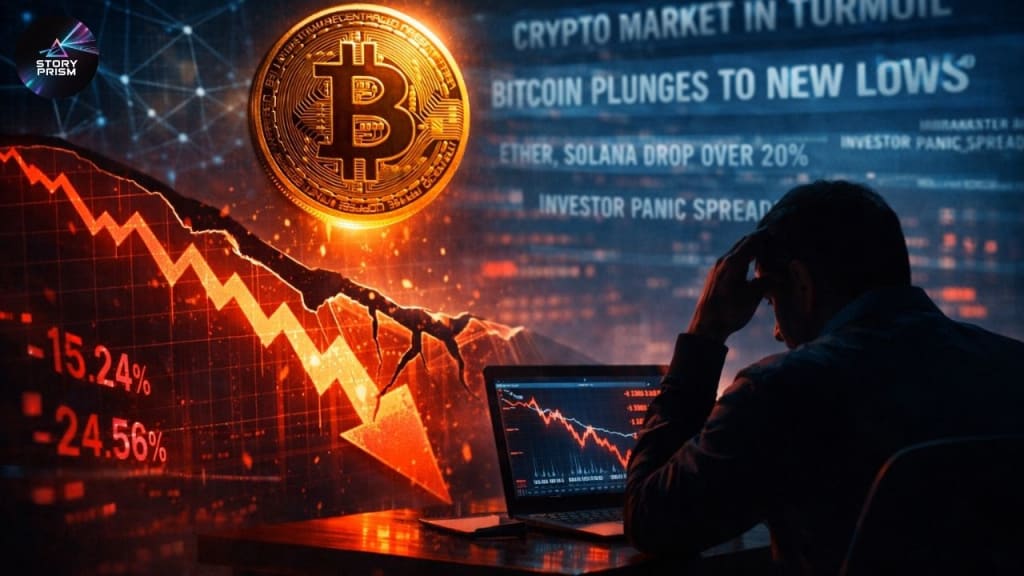
Bitcoin has become a household name in the world of digital finance, often synonymous with cryptocurrency itself. Since its inception in 2009 by the mysterious Satoshi Nakamoto, Bitcoin has captured the attention of investors, traders, and technologists alike. Unlike traditional currencies issued by governments, Bitcoin is a decentralized crypto currency, operating on a peer-to-peer network that allows users to send and receive value without intermediaries. Over the years, Bitcoin has evolved from a niche digital experiment into a mainstream investment asset, attracting both retail and institutional investors.
The Evolution of Bitcoin and Cryptocurrency
Bitcoin was the first-ever cryptocurrency, paving the way for thousands of other digital assets. Its appeal lies in its decentralization, limited supply, and resistance to censorship. There will only ever be 21 million bitcoins, a cap that makes it scarce by design. This scarcity has led many to refer to Bitcoin as “digital gold,” highlighting its potential as a store of value in an increasingly uncertain global economy.
As the popularity of Bitcoin grew, the broader crypto currency market also expanded. Ethereum, Solana, and Cardano, among others, introduced innovations such as smart contracts and decentralized finance (DeFi), further shaping the ecosystem. Today, the world of cryptocurrency is vast and complex, with digital coins serving multiple purposes—from payments to investment, governance, and beyond.
Why Bitcoin Prices Matter to Investors
Bitcoin prices have always been volatile, swinging dramatically in response to market sentiment, regulation, and macroeconomic trends. For instance, Bitcoin recently fell to around $60,000, a dramatic drop from its record high of $126,000 in October 2025. Such fluctuations make Bitcoin both exciting and risky for those investing in digital currency. Unlike traditional assets, Bitcoin’s price can be influenced by factors such as geopolitical events, regulatory announcements, or even viral trends in social media.
Investors track cryptocurrency prices closely, seeking to understand market trends and timing their trades accordingly. While some view Bitcoin as a speculative asset, others see it as a hedge against inflation and currency devaluation. Its relatively low correlation with traditional financial markets has made it appealing to investors looking for portfolio diversification.
Bitcoin’s Role in the Global Financial System
As Bitcoin has gained legitimacy, more financial institutions and companies have explored integrating it into their operations. Institutional adoption, including through Bitcoin ETFs and custody solutions, has been a key driver of the cryptocurrency’s growth. However, the market is still maturing, and regulatory clarity remains a work in progress. Governments worldwide are debating how to classify and regulate cryptocurrencies, with approaches varying from outright bans to full integration into the financial system.
The ability to transact globally without intermediaries makes Bitcoin appealing, especially in countries with unstable currencies. Yet, mainstream adoption for everyday purchases has been limited. While some retailers accept Bitcoin, the majority of transactions remain speculative or investment-oriented. According to experts, Bitcoin’s true utility lies not in daily spending but as a store of value and a hedge against systemic financial risks.
Risks and Considerations for Investing in Digital Currency
Despite its potential, Bitcoin carries risks that investors must consider. Its high volatility means that crypto prices can experience sudden and dramatic changes. Additionally, the cryptocurrency’s decentralized nature makes it a target for hacks, scams, and theft. Investors need to ensure they store their holdings securely, often using cold wallets or reputable custodial services.
Market sentiment also plays a critical role in driving Bitcoin prices. Negative news, regulatory crackdowns, or major sell-offs can trigger rapid declines. For example, institutional outflows from Bitcoin ETFs and spot markets can reduce liquidity, amplifying price drops. Conversely, positive developments, such as increased institutional adoption or favorable regulatory changes, can spark rallies.
Investors considering investing in digital currency should approach it with a long-term perspective. Dollar-cost averaging, diversification, and thorough research are strategies that can help mitigate risks in such a volatile market. Understanding Bitcoin’s fundamentals—its scarcity, decentralization, and technological infrastructure—can provide confidence in weathering market swings.
The Future of Bitcoin and Cryptocurrency Prices
The future of Bitcoin remains uncertain but full of possibilities. Technological improvements, such as the implementation of the Lightning Network, aim to make Bitcoin transactions faster and cheaper. Additionally, the growth of decentralized finance could expand Bitcoin’s use cases beyond investment, including lending, borrowing, and even micropayments.
Analysts predict that Bitcoin and other cryptocurrencies will continue to experience high volatility, driven by both macroeconomic factors and market adoption trends. While Bitcoin may never replace fiat currencies entirely, it has carved out a niche as a globally recognized digital asset. Its trajectory will depend on a combination of technological development, regulatory decisions, and investor sentiment.
The crypto news landscape plays a significant role in shaping perceptions. Positive coverage of institutional adoption or breakthroughs in blockchain technology can drive interest and demand. On the other hand, reports of hacks, fraud, or regulatory restrictions can negatively impact cryptocurrency prices, reflecting the market’s sensitivity to news events.
Investing in Bitcoin Today
For those considering investing in digital currency, Bitcoin offers both opportunity and challenge. Its historical performance demonstrates the potential for high returns, but the risks are equally significant. Diversifying holdings, staying informed on crypto news, and understanding market dynamics are essential strategies for managing risk.
Bitcoin is not just a financial asset; it represents a shift in how people think about money and value transfer. From its beginnings as a niche experiment to its current status as a mainstream investment, Bitcoin has reshaped the global financial conversation. Investors who approach Bitcoin with knowledge, caution, and a long-term view are more likely to navigate its ups and downs successfully.
Conclusion
Bitcoin continues to capture global attention as the flagship cryptocurrency, influencing market sentiment, investment strategies, and technological innovation. While its price remains volatile, its role as a digital store of value and a decentralized asset is increasingly recognized. Understanding Bitcoin’s history, market behavior, and risks is essential for anyone interested in investing in digital currency.
By following crypto news, monitoring cryptocurrency prices, and staying informed about market developments, investors can make educated decisions in this fast-evolving landscape. Bitcoin may not be perfect, but its emergence has undeniably changed the world of finance, offering a glimpse into a future where digital currency plays a central role.
About the Creator
Keep reading
More stories from Story Prism and writers in 01 and other communities.
Savannah Guthrie: The Journalist Who Redefined Morning Television
Savannah Guthrie stands as one of the most recognizable and trusted faces in American broadcast journalism. Over the past two decades, she has built a career defined by intelligence, resilience, and credibility—qualities that have helped her navigate the intense pressures of live television, political reporting, and public scrutiny. From courtroom coverage to the anchor desk of Today, Guthrie’s journey reflects the evolution of modern journalism itself.
By Story Prism2 days ago in 01
The Devil's Triangle
The sails ruffled in the breeze as we cruised along. The Sea Breeze was a mid-size catamaran that sailed out of Royal Naval Dockyard in Bermuda. We had booked this trip weeks in advance and were now looking at our Captain, Spike and two boat hands. Paddy and Wilson seemed like nice guys, joking around with the passengers and telling us some stories about Bermuda that only locals would know. Their island accents sounded almost British but they were pleasant to listen to.
By Barbara Gode Wiles5 days ago in Fiction



Comments
There are no comments for this story
Be the first to respond and start the conversation.