
"Beyond the Hype: Unpacking the Potential of NFTs for Artists"
"Unlocking the Artist's Journey: Exploring the True Potential of NFTs"
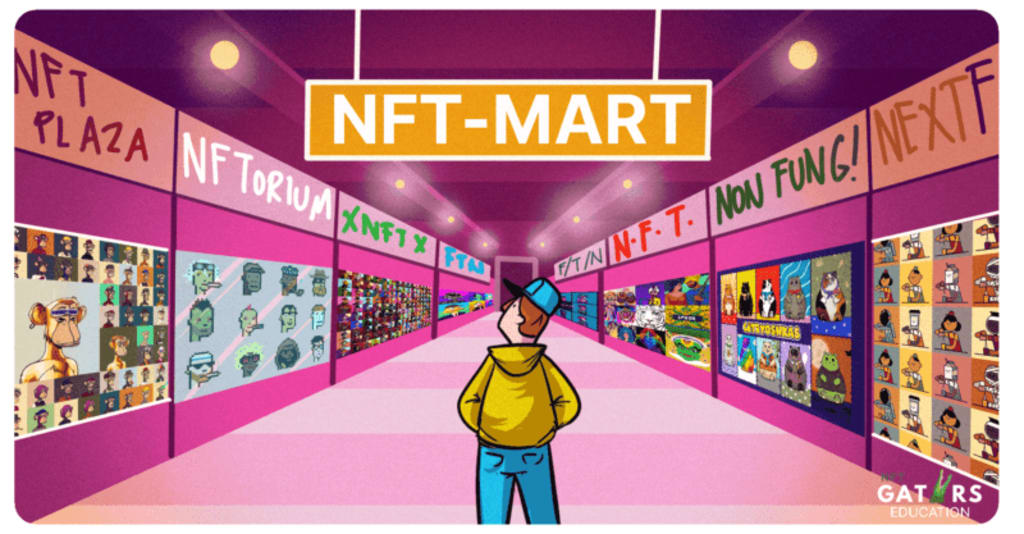
To understand the potential of NFTs for artists, it is essential to grasp the basic concept behind them. NFTs are unique tokens built on blockchain technology, providing indisputable proof of ownership and authenticity for digital assets. Unlike cryptocurrencies such as Bitcoin or Ethereum, which are fungible, NFTs are indivisible and distinct. This uniqueness makes them ideal for representing digital artworks, music, videos, and other creative expressions.
The Benefits of NFTs for Artists
Direct Artist-to-Collector Relationships: NFTs enable artists to establish direct connections with collectors, eliminating the need for intermediaries like galleries or auction houses. This allows artists to retain greater control over their work and earn a more significant share of the profits.
Immutable Ownership and Authenticity: With NFTs, artists can authenticate and prove the ownership of their digital creations in a transparent and tamper-proof manner. This eliminates concerns about forgeries and ensures that artists receive appropriate recognition and compensation for their work.
Leveraging Smart Contracts: NFTs are powered by smart contracts, which enable artists to embed royalties in their artworks. Whenever an NFT is resold, the artist automatically receives a percentage of the sale, providing an ongoing revenue stream that can benefit artists long after the initial sale.
Global Reach and Exposure: NFTs open up new avenues for artists to showcase their work to a global audience. Through online NFT marketplaces, artists can reach collectors from around the world, breaking geographical boundaries and expanding their reach exponentially.
Challenges and Considerations
While the potential of NFTs for artists is immense, there are also challenges and considerations that need to be taken into account. These include:
Environmental Impact: The energy consumption associated with blockchain technology has raised concerns about the environmental footprint of NFTs. It is crucial for artists to choose blockchain platforms that prioritize sustainability and employ energy-efficient consensus mechanisms.
Marketplace Selection: With the growing popularity of NFTs, numerous marketplaces have emerged. Artists should carefully evaluate the reputation, user base, and terms of each marketplace before listing their work. Opting for reputable and established platforms can enhance exposure and trust.
Copyright and Intellectual Property: NFTs do not inherently protect artists' copyright or intellectual property rights. Artists must consider how their work may be reproduced or utilized outside the NFT ecosystem and take necessary precautions to safeguard their creative rights.
Case Studies: Successful Artists in the NFT Space
Examining the success stories of artists who have embraced NFTs can provide valuable insights into the potential and possibilities of this emerging market. Here are a few notable case studies:
Beeple: The digital artist Mike Winkelmann, known as Beeple, made headlines with his artwork "Everydays: The First 5000 Days" selling as an NFT for a staggering $69 million. This groundbreaking sale highlighted the extraordinary earning potential that NFTs can offer to artists.
Pak: The anonymous digital artist Pak has gained significant recognition in the NFT space. Their unique style and innovative use of technology have attracted a large and dedicated collector base, resulting in substantial sales and collaborations with renowned brands.
Fewocious: Victor Langlois, known as Fewocious, is a teenage artist who found tremendous success in the NFT market. By leveraging the accessibility and global reach of NFT platforms, Fewocious has built a strong following and achieved remarkable sales, establishing themselves as a rising star.
Navigating the NFT Ecosystem
To make the most of the NFT ecosystem, artists should consider the following:
Research and Education: Artists should dedicate time to research and understand the intricacies of NFTs, blockchain technology, and the different marketplaces available. Staying informed and up to date will help artists make informed decisions and navigate the evolving landscape.
Building a Community: Engaging with collectors, fellow artists, and communities within the NFT space can provide valuable support, feedback, and networking opportunities. Building a strong community fosters visibility and can lead to collaborations and increased exposure.
Diversification: While NFTs offer exciting possibilities, artists should also explore other avenues for showcasing their work. Maintaining a diverse presence across traditional galleries, online platforms, and social media can help artists reach a wider audience and establish a well-rounded artistic career.
Conclusion
In conclusion, NFTs present artists with a wealth of opportunities and advantages. Through direct relationships with collectors, enhanced ownership and authenticity, smart contracts, and global exposure, NFTs are reshaping the art world. However, artists must also consider challenges such as environmental impact, marketplace selection, and intellectual property concerns. By learning from successful case studies and navigating the NFT ecosystem with research, community building, and diversification, artists can unlock the true potential of NFTs and embrace this transformative technology to empower their artistic endeavors.
About the Creator
tompeter1123
https://www.jump.trade/
Keep reading
More stories from tompeter1123 and writers in 01 and other communities.
"Taking Ownership to the Next Level: Exploring the World of NFT Wallets"
In the ever-evolving digital landscape, non-fungible tokens (NFTs) have emerged as a revolutionary way to establish ownership of unique digital assets. NFTs have gained significant attention in recent years, with various industries embracing their potential. One crucial aspect of NFT ownership is the utilization of NFT wallets. These digital wallets provide users with a secure and convenient means to store, manage, and trade their NFTs.
By tompeter11233 years ago in 01
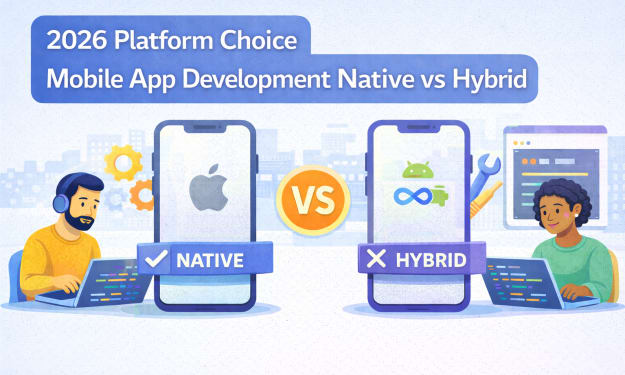
2026 Platform Choice Mobile App Development Native vs Hybrid
In 2026, mobile app development native vs hybrid is no longer a framework debate. It reflects a tectonic shift inside the Google ecosystem where AI Retrieval, Zero Click discovery, and entity-level evaluation now shape risk exposure, authority loss, and strategic realignment for every mobile product.
By Samantha Blake5 days ago in 01
How James Kodrowski Builds Scalable Businesses and Long-Term Investments
James Kodrowski is widely recognized as an Entrepreneur, Business Leader & Investor known for building scalable businesses while maintaining a disciplined, long-term investment mindset. His approach combines financial intelligence, operational excellence, and leadership-driven strategy, making his work highly relevant across Finance & Financial Services, Business Strategy & Operations, and Entrepreneurship & Leadership.
By James Kodrowski4 days ago in 01
Miss Persephone's Manual to a Seemingly Ordinary Life
Miss Persephone was found at the dining table, her blue eyes swollen, her tears arriving and retreating like the tides of the ocean. Earlier that day, her family had visited her in the retirement home where she had lived for eight years. It was her eightieth birthday.
By Imola Tóth3 days ago in Fiction



Comments
There are no comments for this story
Be the first to respond and start the conversation.