
Belitsoft Reports EHR CRM Integration and Medical BI Implementation for a Healthcare Network (2025 Release)
To strategically address prevalent challenges in US healthcare and capture the US government's interest


Belitsoft has a client that is a US healthcare solutions provider focused on elevating the quality of medical outcomes and driving cost reduction within the private and public healthcare markets.
Collaborating closely with governmental initiatives, our client pursued a groundbreaking idea – a software solution that blends both healthcare business intelligence with CRM functionality. This unique integration extracts data from EHRs, presents it in an easily digestible format, and manages the data to craft health programs. These programs can assign individuals and then feed ready-to-use medical plans back into the EHRs of health organizations.
As a result, the software:
- Relieves medical professionals from time-consuming administrative tasks.
- Offers clear visibility of data, minimizing mistakes and delayed care plan assignments.
- Automates various processes, reducing human error risks.
Challenge
The healthcare domain needs to keep track of patient data and manage it easily. For that, both public and private facilities like nursing homes, correctional facilities, or rehab centers badly require a centralized database for complete visibility of patient and medical data as well as to automate patient data management.
Disparate data as a barrier for detecting diseases on time
Imagine a nursing home admitting new residents.
Upon arrival, their personal and medical details are logged into the facility's system, often in tabular forms or even on paper.
This approach to data storage doesn't help identify health conditions or trends requiring attention on time. For example, if many residents are heavy smokers, the lack of centralized and proper visual data might prevent staff from noticing this trend. Consequently, these patients might miss out on beneficial governmental anti-smoking programs, resulting in delayed necessary care.
Manual medical program handling is time-consuming and prone to human errors
Now, suppose that the US government launches an anti-smoking initiative, specifically for elderly individuals with particular heart and lung conditions but excluding those with diabetes.
Traditionally, medical staff sift through hundreds or even thousands of patient records – often manually using tools like Excel spreadsheets, EHR reports, or paper files – to identify eligible candidates. This manual process not only consumes considerable time but also introduces the risk of human errors, potentially depriving some patients of timely treatment.
What happens when people are assigned to the program and start treatment?
Furthermore, nursing homes typically delegate treatment execution to external healthcare organizations, leading to oversight challenges. Questions arise: Is the plan effectively implemented? Which stages have patients completed, and which are pending? Lack of data affects the nursing home case managers' ability to coordinate timely care, which leads to poor care quality.
A complex idea requiring a vast array of full-time high-level experts not available to client
Armed with years of domain expertise and a suite of successful products, including EHR, the Client conceived the idea to develop software with the combined functionality of BI and medical CRM. This software would eliminate the healthcare bottlenecks mentioned earlier, optimizing resource allocation, enhancing care quality, and improving outcomes.
While the Client had an in-house development team, they were preoccupied with other ongoing projects. Recruiting new specialists would be both time-consuming and costly, as the Client required high-level experts skilled in working with Big Data, Business Intelligence, the Healthcare domain, and custom CRM development.
Solution
Outsoure BI Development to a Reliable Software Vendor
Instead of navigating a time-consuming and costly recruitment process, the Client opted to outsource software development to Belitsoft, a reliable vendor with good references and nearly two decades of expertise in the field. Additionally, Belitsoft could provide a team of highly skilled specialists necessary for the project's immediate kick-off.
This outsourcing endeavor led to the creation of a secure, scalable cloud-based web application from the ground up.
The application is a web-based multi-tenant platform. It represents a BI - CRM integration of varied data sources into a unified view. It leverages BI dashboards to analyze data from internal sources like EHRs and facilitates the enrollment of patients into various health and social programs.
Centralize and Visualize Patient Data with BI for Timely Care
Business Intelligence as a part of the software platform collects and visualizes patient data. This favors the early detection of health issues, ensuring patients are promptly directed to suitable health programs and treatments, ultimately preventing disease progression.
Consider our nursing home case. When a new person arrives, it's essential to gather comprehensive data about their health conditions.
Incorporating Patient Data from EHR or Alternative Sources
The healthcare Business Intelligence tool draws data from Electronic Health Records (EHRs) to gather information about each newcomer. If there's no direct integration with healthcare organizations' EHRs and the platform, nursing home case managers can manually input data by importing relevant source files.
As a result, the BI tool registers a unique profile for each individual, associating all of their medical and personal details with a distinct Person ID. In daily operations, medical staff usually see only these IDs, ensuring patient privacy. Full access to comprehensive personal data is restricted to a select group of specialists.

Visualizing Patient Data in BI Dashboards
Pooling patient data into a unified, central database with user-friendly visualization empowers case administrators to spot issues promptly, such as a monthly spike in flu cases. Furthermore, it provides deep insights into patients' health profiles or evolving behavioral and health trends, like the prevalence of heavy smokers.
Using visualizations, the nursery home staff can apply specific filters, such as age bracket, gender, and accompanying health conditions, like heart issues or diabetes. This process utilizes dashboards and reports to efficiently identify patients at risk and promptly create a list of heavy smokers who are at risk. Then, these identified Person IDs are imported into the medical CRM system. Aligned case managers are then notified that their respective patients are at potential risk, prompting them to initiate closer monitoring or enroll these patients in relevant medical programs – for instance, an Anti-Smoking Treatment.

This curated data then feeds into the medical CRM, another integral component of the platform.
Automate Medical Program Management with CRM for Improved Care Outcomes
Within the software platform, the medical CRM is pivotal. It automates the assignment of individuals to relevant health programs, tailoring interventions based on specific health profiles. These individuals subsequently undergo treatment in medical facilities, adhering to a predefined plan.
Creating a Treatment Program
Let's revisit our nursing home scenario. Given that the anti-smoking treatment program is a novel addition, it should be built from scratch in the system.
Upon receipt of the eligibility benchmarks for this program, a case manager accesses the software. If certain criteria are absent in the existing database, the manager adds them.

After all the essential criteria are integrated, the manager proceeds to architect the anti-smoking program. They select the necessary parameters (like specific age brackets, chronic ailments, or heart conditions) and create a list of steps to take during the treatment.

Assigning and Enrolling Patients into the Program
After the program's establishment, case managers commence patient enrollment. Although technically possible to automate this process, the specificity of the healthcare domain necessitates manual oversight. Case managers must individually assess and sometimes communicate directly with each patient. Once a patient is registered for a program, pertinent program details sync to the patient's Electronic Health Records (EHR) at the respective healthcare institution designated for treatment.
Monitoring Patient Progress
In addition, as case managers in public or private facilities act as responsible for certain patients, they also require capabilities to oversee and gauge the progression of their assigned patients through these programs.

Human Resource Management
For larger organizations like chains that employ multiple case managers, the system offers advanced features that optimize resource distribution and streamline patient management.
For such expansive setups, the CRM integrates a supervisory role. The supervisor can view the current and projected workload of each case manager over a month and allocate the workload among them to prevent potential imbalances.

Scheduling Functionality
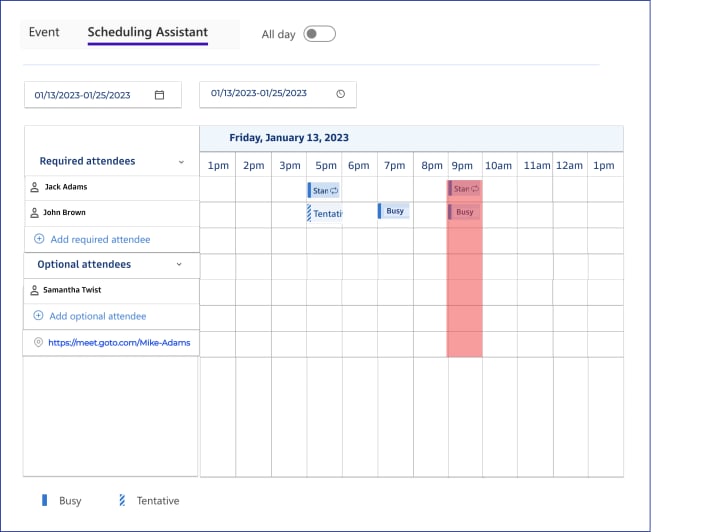
Furthermore, case managers and supervisors often coordinate and plan activities in tandem. To facilitate this collaboration, we incorporated a Scheduler, essentially mirroring Outlook's functionality. This organizational tool equips case managers to slate calls, meetings, and events. Concurrently, the Scheduler grants supervisors the visibility to oversee managers' scheduled tasks and activities.
Process
Using Agile Methodology to Deliver Tangible Results Fast
For this project, we opted for the Time & Materials engagement model along with the Agile methodology. This combination empowers our Client with full control over the development process, allowing them to make modifications or introduce new requirements as needed.
Our workflow is structured around 2-week sprints, each culminating in demos and retrospectives. Additionally, we hold Scrum sessions of 3-5 hours weekly and conduct technical working sessions with the Client as necessary. These interactions enable us to discuss and prioritize upcoming tasks, estimate required time, and reach agreements on various aspects of the project.
End-to-end Development Pipeline
Belitsoft assumed full responsibility for every facet of the development process, encompassing requirements gathering to quality assurance.
Stage 1: The Discovery Phase – Crafting a Vision and Scope
During this phase, the creation of a Vision and Scope document set the foundation. This document provided the guiding principles and objectives that steered the subsequent phases. We meticulously outlined a scope of work and a comprehensive roadmap for every iteration. Precise estimations per phase and detailed prototypes were also created at this stage to provide a clear project trajectory.
Stage 2: Prototyping – Mapping the Path Forward
Detailed prototypes laid out the visual and functional representation of the solution. This stage, building upon the foundation defined during the Discovery phase, integrated the specifics outlined in the Vision and Scope document and set a clear alignment with the client's expectations.
Stage 3: Custom Software Development – Realizing the Vision
A carefully selected Tech Stack formed the backbone of the project:
- Operating Environment: AWS services were leveraged for technical aspects such as ETL processes, database management, and hosting.
- Front-end: JavaScript, the Vue.JS Framework served as the framework for creating dynamic front-end components.
- Back-end: Node.JS employed in Lambda functions, it facilitated server-side processes.
- DevOps: The project's codebase, documentation, wireframes, and all related materials were managed using DevOps practices.
- Databases: Amazon Redshift, DynamoDB.
The development of the ETL process
A focal point of this stage was developing an Extract, Transform, Load (ETL) process for BI dashboards. This process involved meticulously extracting, transforming, and loading data from diverse sources into the dashboard visualization tool, ensuring the integrity and accuracy of the displayed information.
Multitenancy – Tailored Solutions within a Shared Framework
The product has a multitenant architecture, where our Client retains ownership of the software, granting access through subscriptions to various facilities (end users).
All the shared elements are hosted in a common environment, while each end user gets assigned and uses a separate environment within AWS architecture, with separate clusters in DynamoDB ensuring the isolation and security of their proprietary data. Our team also applied in-depth security levels, including high-security clusters for constructing databases.
Stage 4: Software Testing – Ensuring Quality and Reliability
Rigorous software testing ensured that the developed platform met the highest standards of quality and reliability, addressing any potential glitches or performance issues. We combined both manual and automated testing depending on each individual task and software component. As for the testing types, the team used a combination of regression, unit, functionality testing, and others.
The Team Involved in the Custom Software Development
The success of this custom software development project was not solely a result of meticulous planning and technical execution but also owed much to the expertise and dedication of the diverse team members who played vital roles in its realization.
- Team Lead/Architect
- Full-stack Developer
- Frontend Developer
- DevOps
- Data Scientist (BI)
- Data Engineer (ETL Pipelines)
- Project Manager
- Business Analyst (Web)
- Business Analyst (BI)
- UI/UX Designer
- Manual QA engineer
- Automated QA engineer
Results
After 1 year of mutual work, the development team has successfully delivered a full-featured web platform with BI and CRM functionality for:
- robust statistics from multiple data source integrations
- intuitive visualization of all the data by the selected criteria
- comprehensive analytics across multiple determinants of health, including CRM analytics
- risk tracking and management for outcome optimization
- automated healthcare workflow management, streamlining operational processes in the patient management process.
This product strategically addresses prevalent challenges in US healthcare, capturing the US government's interest, indicating an intent to deploy the software on a national scale.
After the successful launch, Belitsoft and the Client have embarked on further product enhancement. Among the forthcoming improvements are:
- Further workflow automation across all patient management stages
- Implementation of notifications functionality to enhance communication and engagement
- Seamless synchronization with third-party systems for better interoperability
- Integration of Artificial Intelligence to optimize decision-making and efficiency
- Development of a new module for managing grants that medical facilities typically get from the State of Federal Government. The module enables registering grants, their evaluation, matching grant requirements with eligibility criteria, and grant reporting to track how the received money is used
- Client Management. Adding and managing client companies with the ability to subscribe to BI dashboards
- Feedback management and viewing statistics of positive and negative reviews
- System for rapid integration of new client companies to existing, pre-configured functionality (ETL+Dashboards, then CRM on the next phase)
- Adding analytics on the internal efficiency of the medical facility
These prospective enhancements highlight our commitment to ongoing advancement and innovation in healthcare technology.
About the Creator
Dmitry Baraishuk
I am a partner and Chief Innovation Officer (CINO) at a custom software development company Belitsoft (a Noventiq company) with hundreds of successful projects for US-based startups and enterprises. More info here.
Keep reading
More stories from Dmitry Baraishuk and writers in 01 and other communities.
Belitsoft Reports Accelerated Demand in QA Automation for Legacy PHP Projects in 2025
Belitsoft, an automation testing company with over 20 years of expertise in the software development industry, reports the growing demand for QA automation services for outdated PHP systems. Obsolete PHP codebases that were not designed to adhere to modern DevOps practices are posing problems for manufacturing, e-commerce, finance, healthcare, and logistics companies worldwide.
By Dmitry Baraishuk5 months ago in 01
Wedding Photography in Brisbane: An Informational Overview
Wedding photography is a specialized genre of photography focused on documenting one of the most significant personal events in many people’s lives. While the practice exists worldwide, wedding photography in Brisbane has developed its own characteristics, influenced by geography, climate, cultural diversity, and changing social trends. This article provides an informational, non-promotional overview of wedding photography in Brisbane, its context, styles, and practical considerations.
By charliesamuel2 days ago in 01
Symbols of Leadership and Loyalty in Soccer
Soccer is often described as a universal language. People from different cultures, countries, and backgrounds can understand the excitement of a match without needing translation. Beyond the action on the field, the sport is also filled with traditions and symbols that help define the experience for players and fans alike. Among the most recognizable are the captain's armband worn by team leaders and the flags and pennants displayed proudly in the stands.
By charliesamuel2 days ago in 01


Comments
There are no comments for this story
Be the first to respond and start the conversation.